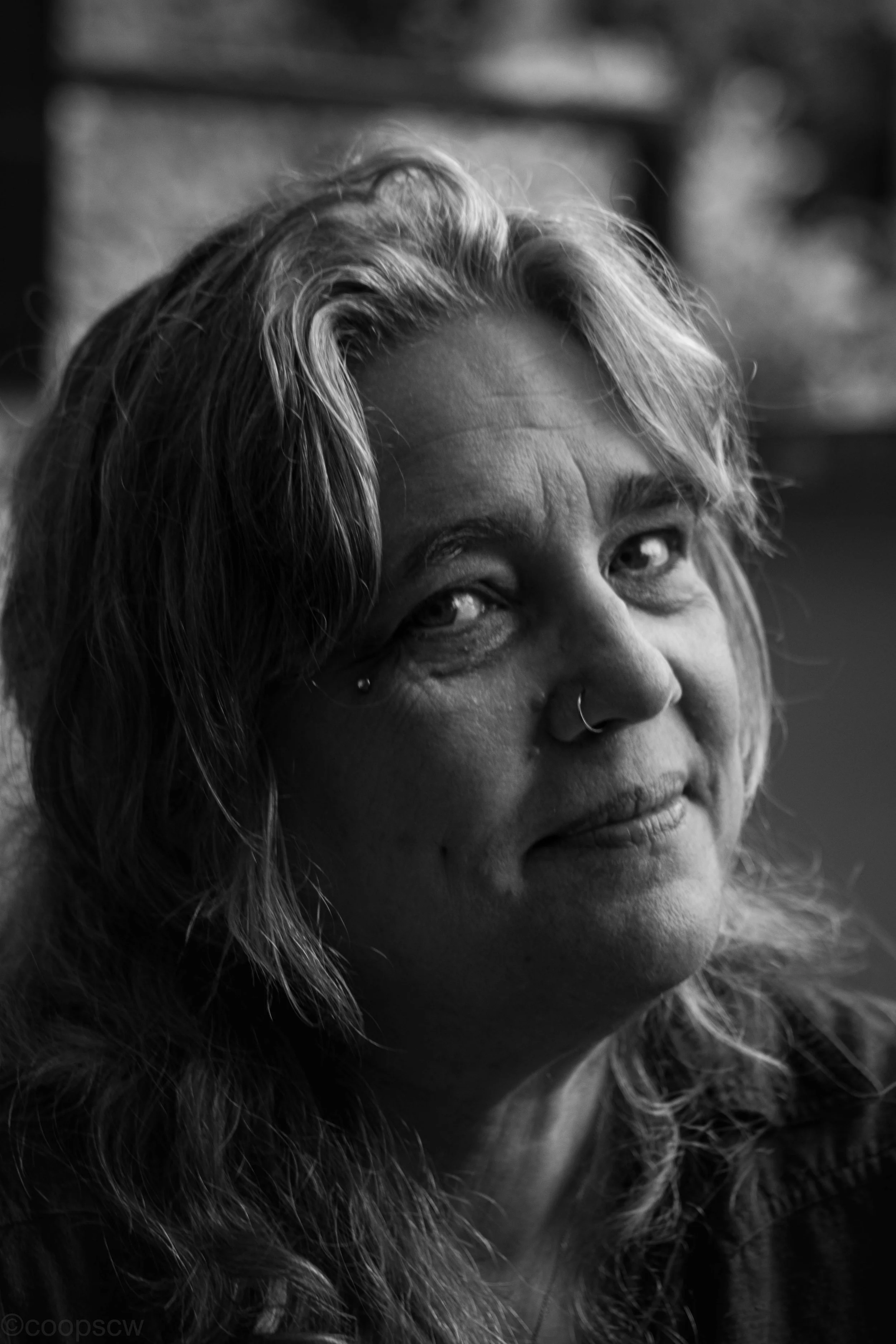
My name is karen.
I live in Bristol, UK. I decided to take part in Victorious Voices because I feel it is an important project. People need to change their attitudes towards childhood sexual abuse (CSA). We need to talk about it openly, despite it being an uncomfortable and unpleasant subject. People need to see how many people are affected by CSA, and action needs to be taken to ensure that perpetrators are punished. People need to understand what behaviour is not acceptable, no excuses, no grey areas.
Children need protecting.
As a result of the abuse I experienced, I have faced victim-blaming and silencing, with no support or reassurance. The catalyst that led me to share my experience of abuse for the first time was becoming aware of and understanding what had happened: that it was not okay and that it was abuse. I think that awareness probably came through the work of Viv Gordon Company. Getting involved in this community was one of the first steps I took towards healing, along with conversations and cognitive behavioural therapy (CBT).
People often have a fixed idea what child sexual abuse is: assuming the sex of the perpetrator(s); assuming their relationship or role in the child’s life. That is not the case, often it’s grooming; isolated molestations; isolated assaults; coercion; taking advantage of a vulnerable person; threats; attempts; verbal. These have been my whole life experiences, no one person, not family or close family friend, no fixed group of people. It’s been different people all around me, all my life. It took CBT to get me to understand it was not my fault, that my behaviour, responses and reactions to the abuse were ‘normal’ for a child of my age, in my situation.
A turning point in my healing journey has been that I’ve started wearing tight-fitting clothing: clothing that shows my arms, bare back, cleavage and legs. I had not realised how much I had been covering up, and I’m not sure when that started. However, this also brings setbacks because, by wearing less clothing, I am finding that I am once again subject to unwanted comments and attention from men.
In terms of forgiveness, CBT has helped me understand myself better. It has helped me see that I am not to blame and made me aware that, sometimes, things were done to protect me or deal with situations. However, I was not supported and did not realise that some things had been dealt with.
My advice to other survivors who are on their path to healing from abuse is: find other survivors to be around and find people you can talk to. Seek therapy; it can be helpful to have your thoughts and memories reframed.
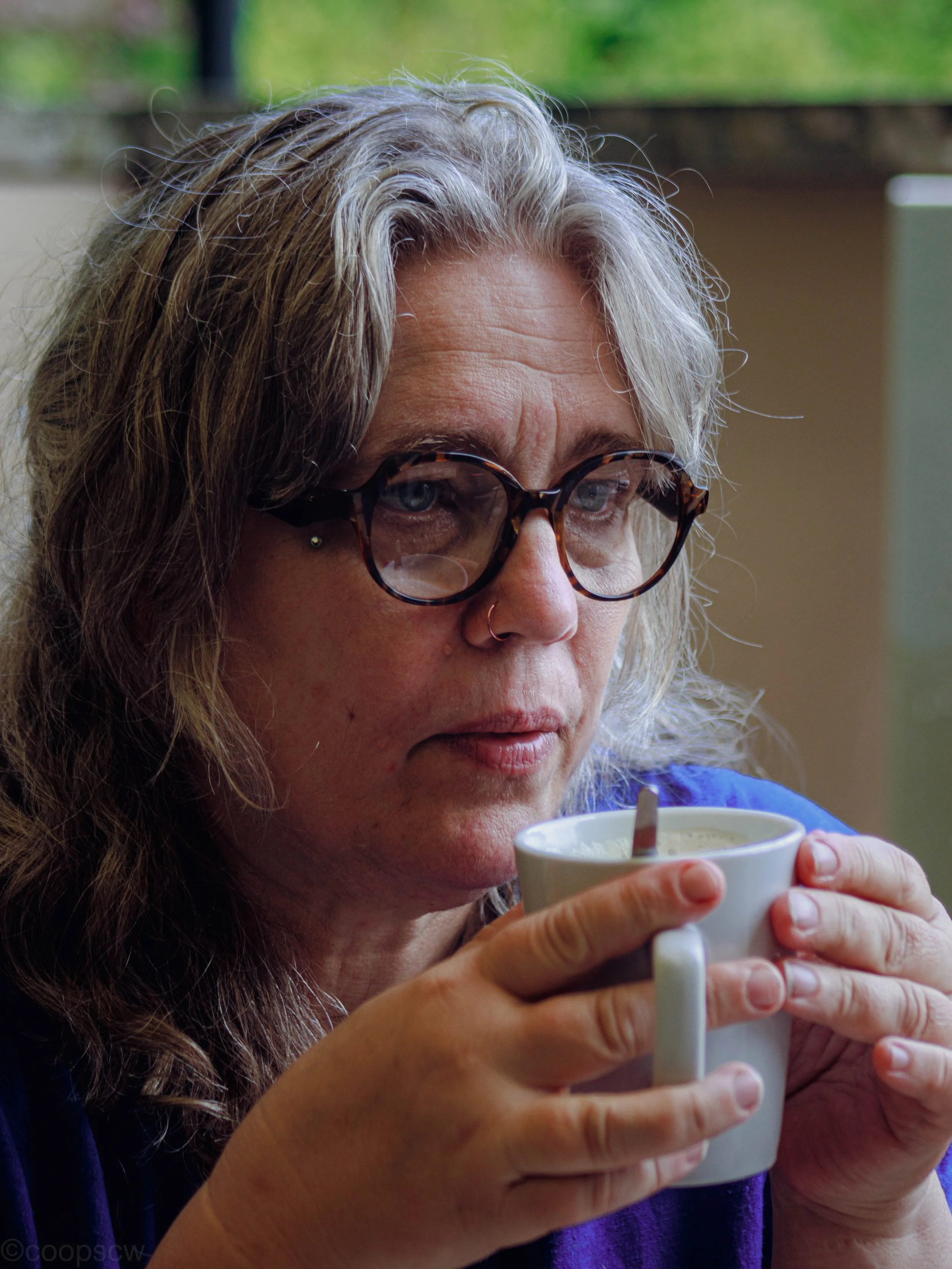
At a very young age, I was SA on multiple occasions, and this did not stop until I turned 19. The first time it happened, I was in primary school, and the perpetrator was one of my mother’s friends. The second time was by a family member who would SA me and another girl.
This experience was very traumatic. I remember I used to hide under my bed in terror, knowing he would come looking for me. He would open the door and say my name: “Elisha, Elisha, where are you?” This would put the fear of God into me. There were times he would put his hands up my top and start grabbing my breasts and put his hand down my pants to touch my private parts. I remember the time he smiled and said, “This is mine later.”
The abuse fragmented my memory and was covered up. I felt vindicated a couple of years ago when I received confirmation that it did actually happen. I suffered from emotional flashbacks, like the time I could feel his nasty breath on me and the terror I felt. There were times I would have photographs taken of me, and he would get mad if I tried to cover up. He would give me money and sweets, but told me that if I tried to tell anyone, then he would tell them I had been a bad girl ,and no one would listen to me.
I had tried to tell someone it was happening in the past, but they laughed and said, “Why would a man touch someone like you?” I never told anyone again for years after this. I come to understand that people don’t talk about the effects that victims of CSA have to deal with and how it impacts their relationship with themselves and with other people. I feel like people don’t understand the true impact of CSA.
I first started to open up about my past when I talked about what happened to me in a girls’ group to help protect girls from being groomed. I did not go into great depth because I had locked it all away in my mind, which led to me starting to hear and see things due supressed abuse. It got really bad. At one point, I was seeing myself hurting people and hearing myself harming others. This would make me withdraw and go into my head more, where I would only see more of my past.
Eventually ,I told my friend about what was happening, and then my tutor. This led me to seek professional support and a diagnosis of C-PTSD because of my abuse. At first, this really scared me because it led me to believe I was broken, and I was very hard on myself. After a while, I realised this was not a fair way to treat myself and started to channel my feelings into creativity.
At University I started on a piece of photography work that would show my childhood with the intention to help me heal. I was grateful to attend class and meet Lee Cooper, who was talking about his experiences of childhood sexual abuse and the Victorious Voices project.
I was able to talk to Lee after the presentation, and he became interested in my work, and we began to talk about our experiences. He was actually the first man I had ever opened up to and talked to about what had happened to me, and in a way, this helped me more on my journey to heal. His trust in me and him lending his ear when others chose not to or looked at me with disgust helped me a lot, he talked to me without judgement, and this in turn helped me see that I was not dirty and I was not disgusting, which is how I felt for a long time. It helped me see myself as a human and not a creature. Lee helped me see that what I experienced was not my fault and that there are people out there who will listen to me.
The initial steps I took towards healing from the abuse I experienced happened when I was helping a friend who was being abused at home, which led to her sharing her own history of sexual abuse. This led to me telling her about what happened to me, and eventually I told her about me seeing and hearing thing and for once someone listened to me and helped me tell my tutor. This then helps open a door to getting help with my mental health and a diagnosis of C-PTSD. I felt such a huge weight leave my body, knowing that I was not psycho.
Originally, the only coping mechanism that would help was self-harming, but thankfully, with the help of my therapy, I am able to overcome this, too. My therapist told me I could go back into my memory and place something or someone I know in the memory just before anything bad happened. For example, my therapist helped me place Rhea Ripley, who is a WWE wrestler, into my memory, and she would round-house kick my abuser in the face before he could touch me. This was the first time I ever laughed at a bad memory, and this technique did help me to partly manage my flashbacks and night terrors.
I would say I have a good support network around me now. My friends help me keep my mind busy and help me try to stop self-harming when things get bad. The family that I have left make sure I’m safe and helps me when I have my episodes; they never stop reminding me I’m worth everything. My therapy is ongoing, but my therapist has been a big part of helping me deal with the side effects of the SA and what my trauma has caused me to develop over time. I have been a part of the RESTART project, which worked with people vulnerable to psychosis, which gave me access to EMDR. Due to my Autism I was placed in a similar trial that worked on changing my memories and coping mechanisms.
I have reclaimed my identity by being able to trust men again and being able to see myself as human and no longer a used, dirty creature. I’ve also been able to talk about my past without feeling like I was the cause of what happened. I have developed a few self-care practices that have become important to me during my healing. I like to make sure I have the right people around me who are loving and protective. It’s good to have a friend who will be there for me and understand what I have been through. I tell myself every day that what happened was never my fault and to cut out the toxic people who say that it is in any way.
A true turning point in my recovery journey was meeting Lee at the talk he gave at my university. Listening to him speak about his own experiences, I came to the realisation that childhood sexual abuse is not talked about enough because it’s a taboo subject that makes people uncomfortable. I also think that having a friend who needed help and someone to talk to helped me to feel and know something needed to be done about my own experiences.
My journey has been full of setbacks and challenges; I ended up with a lot of flashbacks and panic attacks whilst trying to heal. I have given forgiveness to myself now, and I no longer blame myself. I have also partly forgiven my attackers to help myself heal, but I don’t think I will ever forgive my mother for letting it happen and for hiding and humiliating me for it.
To other CSA Survivors out there, I would say make sure you take care of yourself, including the mind and body. It may be hard to speak with someone, and it could be a challenge for a therapist to listen to your experiences of abuse, but please make sure this doesn’t stop you. One sort of therapy may not work for you, but there are more out there. If the people around you will not help you, then find someone who will. People who are blood can choose to close the door that helps with healing and understanding, but also remember that others who don’t know you can open that door and help you take the steps you need to reach a good place.
Never, and I mean never, think your abuse was your fault. If anyone says it was, then let them leave your life because people like this can be more toxic for your mental health than the abuse itself. You are important, and never forget you are free, not a bird trapped in a cage made from your past events and memories.
Don’t forget to never stop fighting for what is right for you.