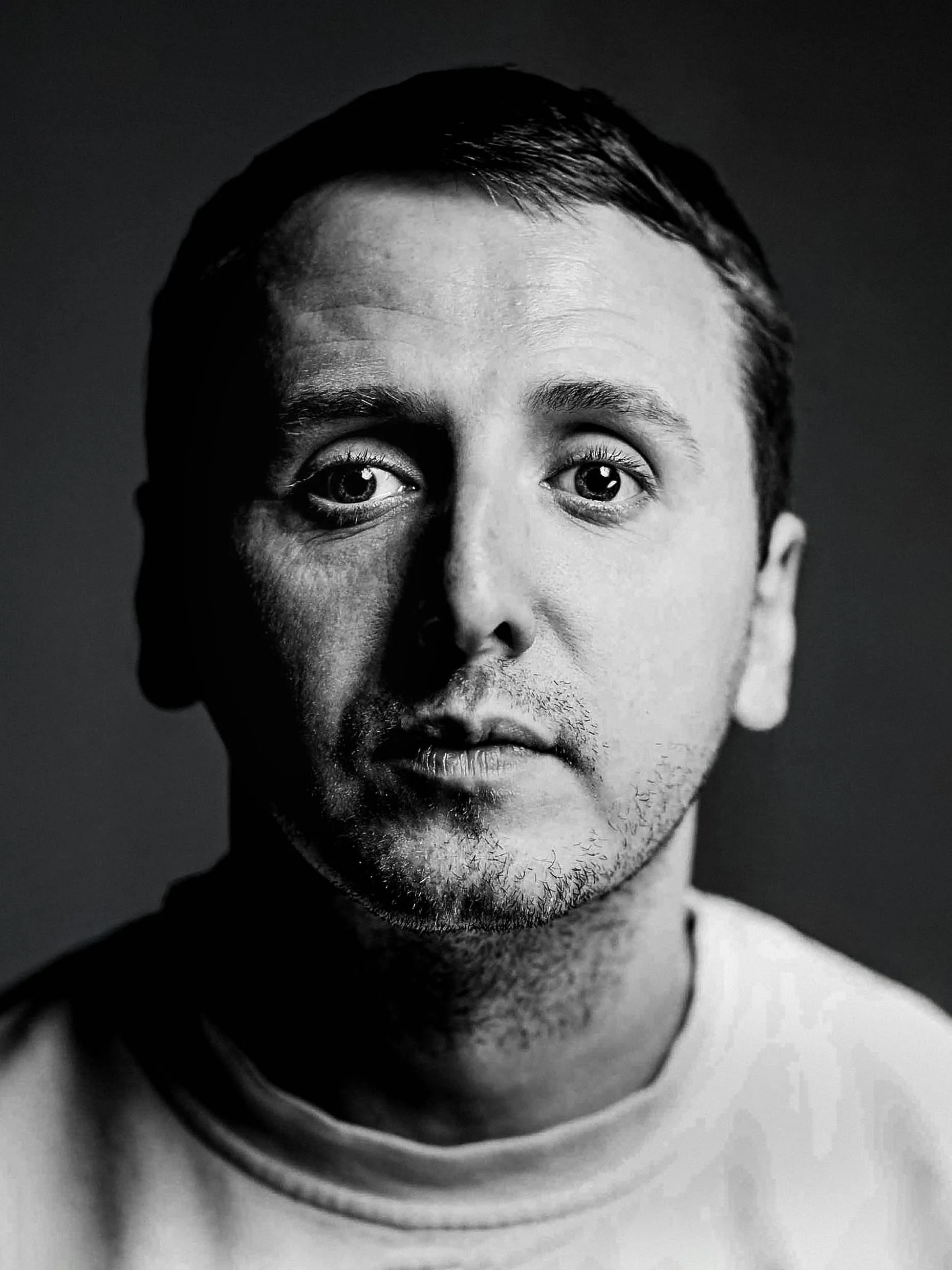
Lee Cooper
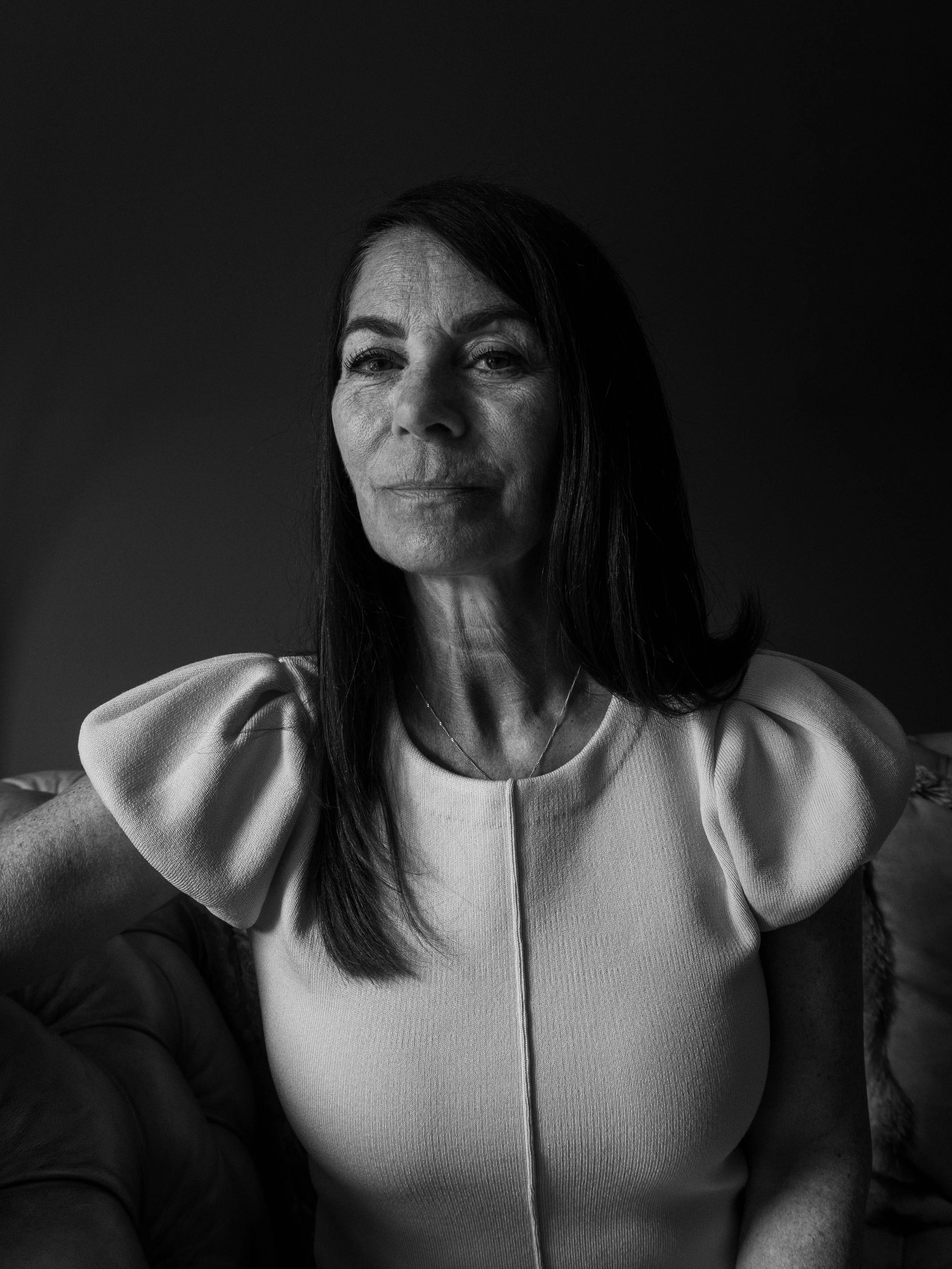
Madeleine Black
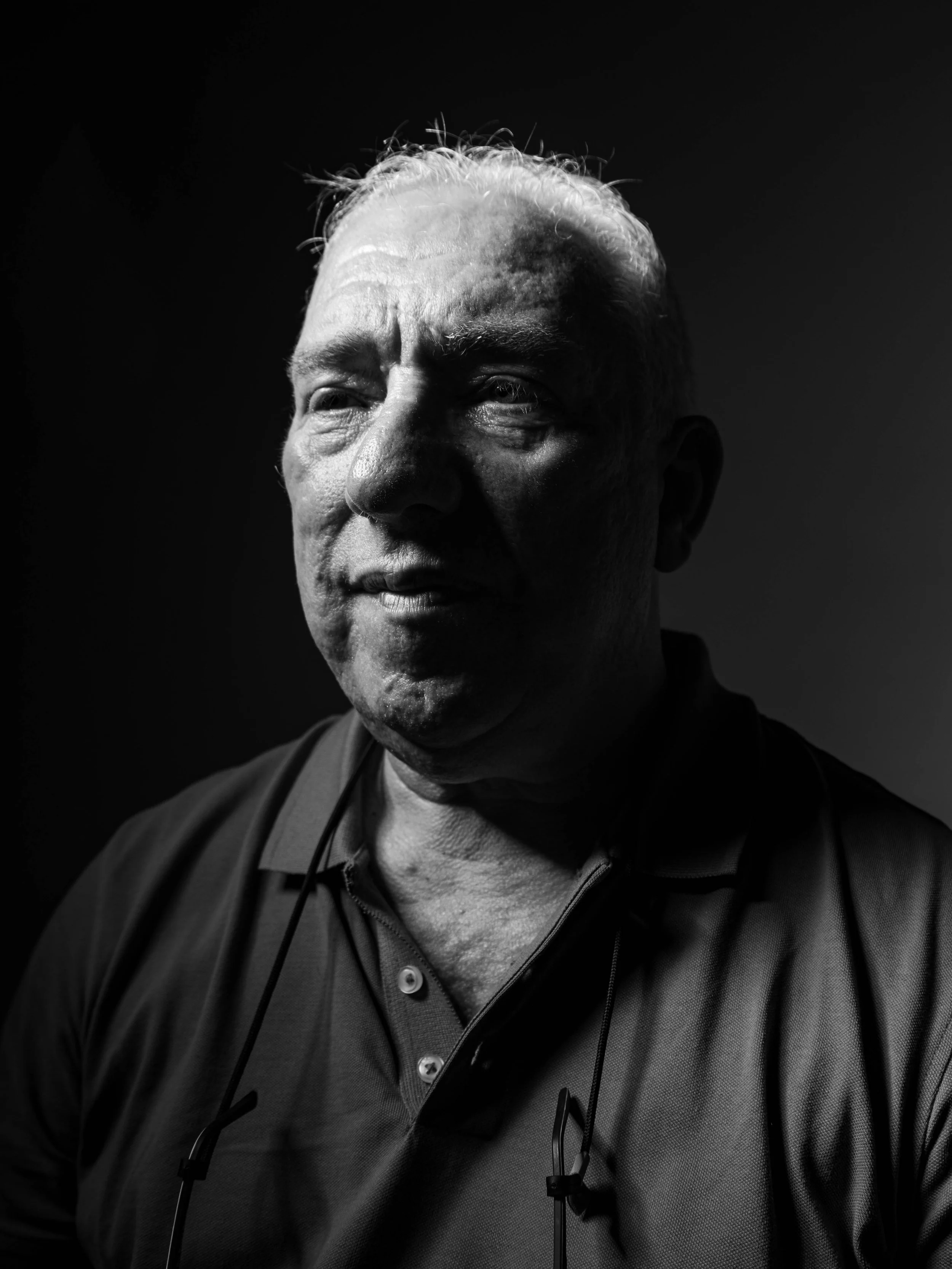
Rob Balfour
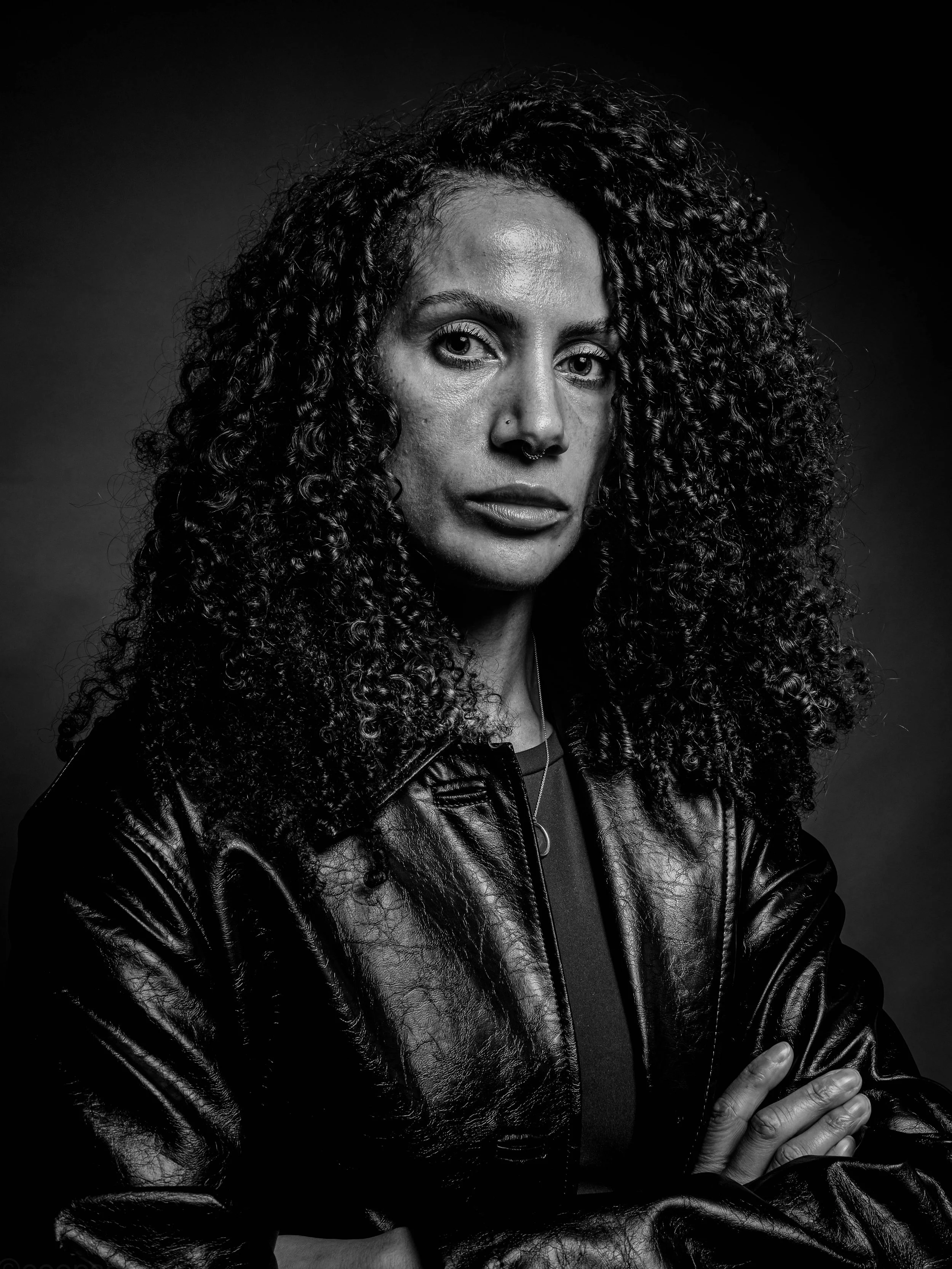
Shereen Simmonds
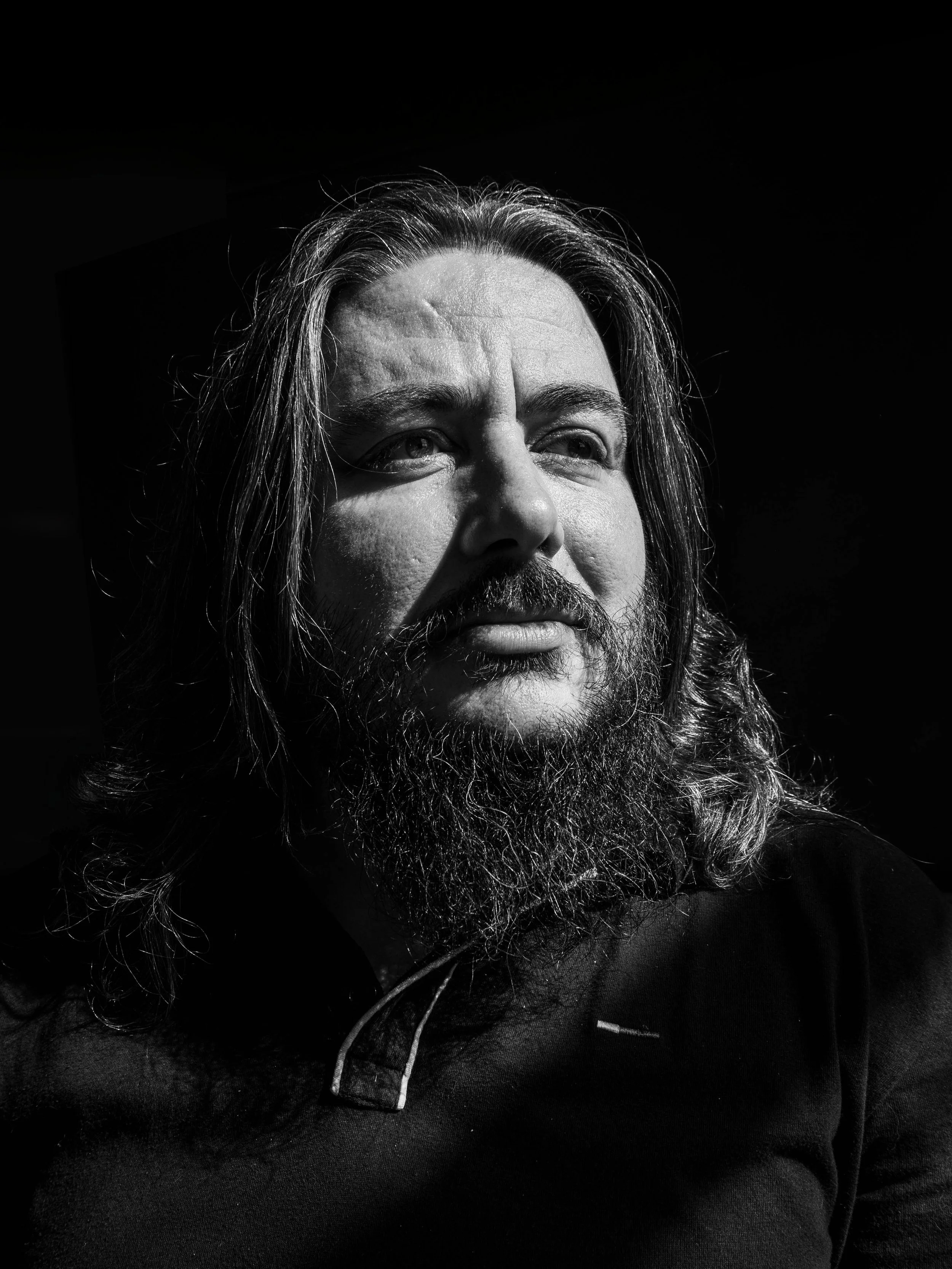
Plamen Draganov

Sophie Olson
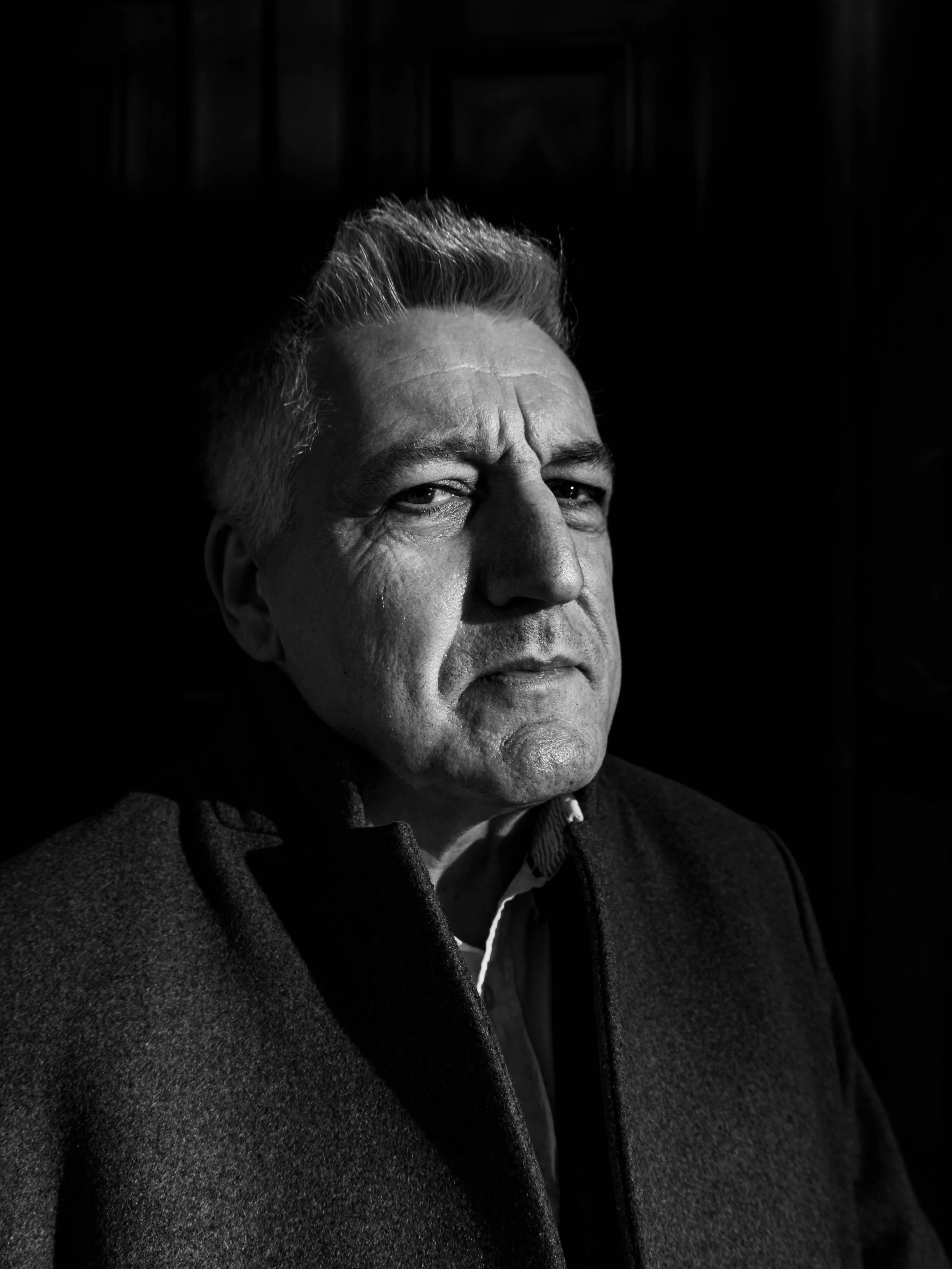
John Bradley
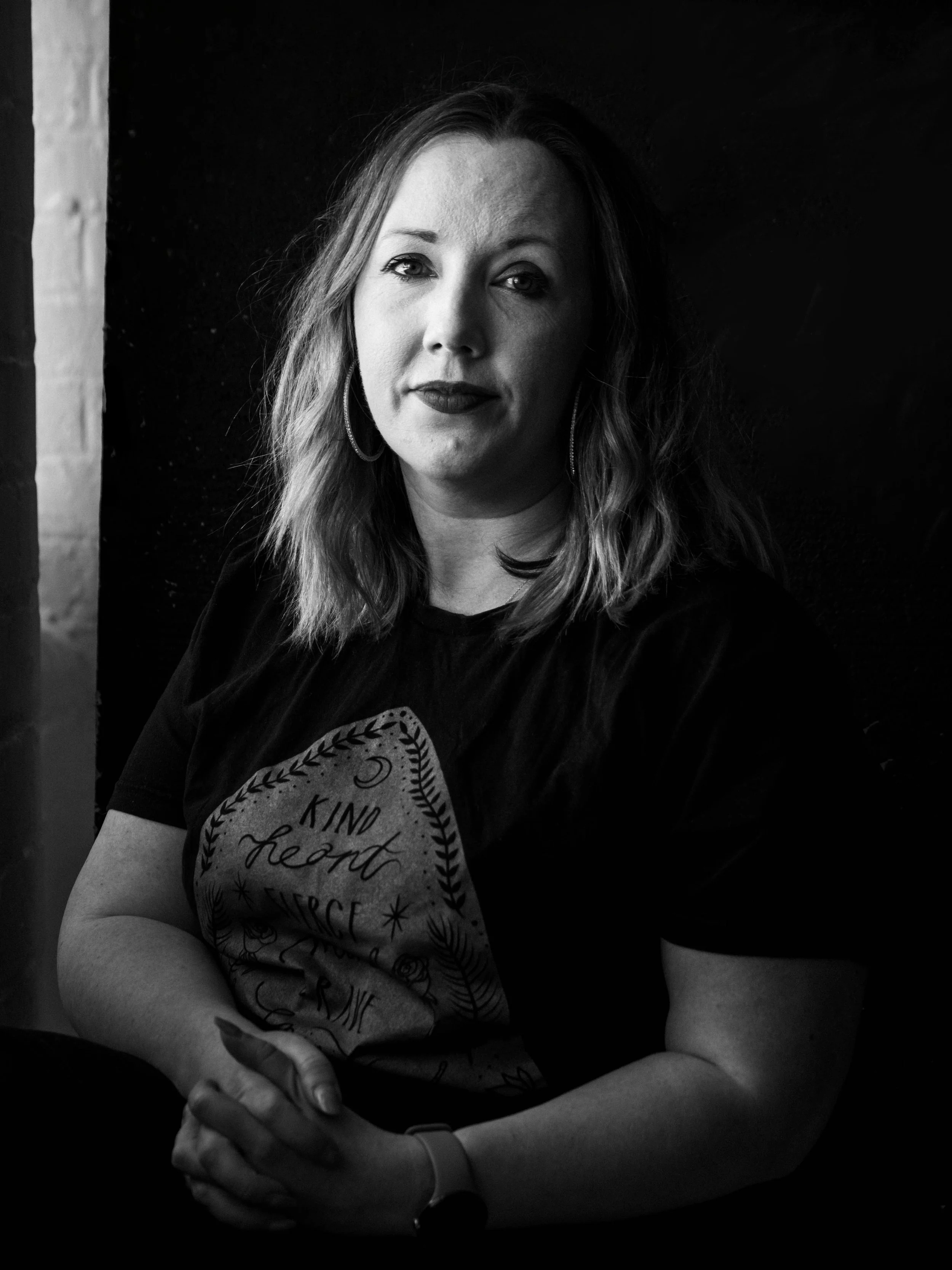
Trish Hinde
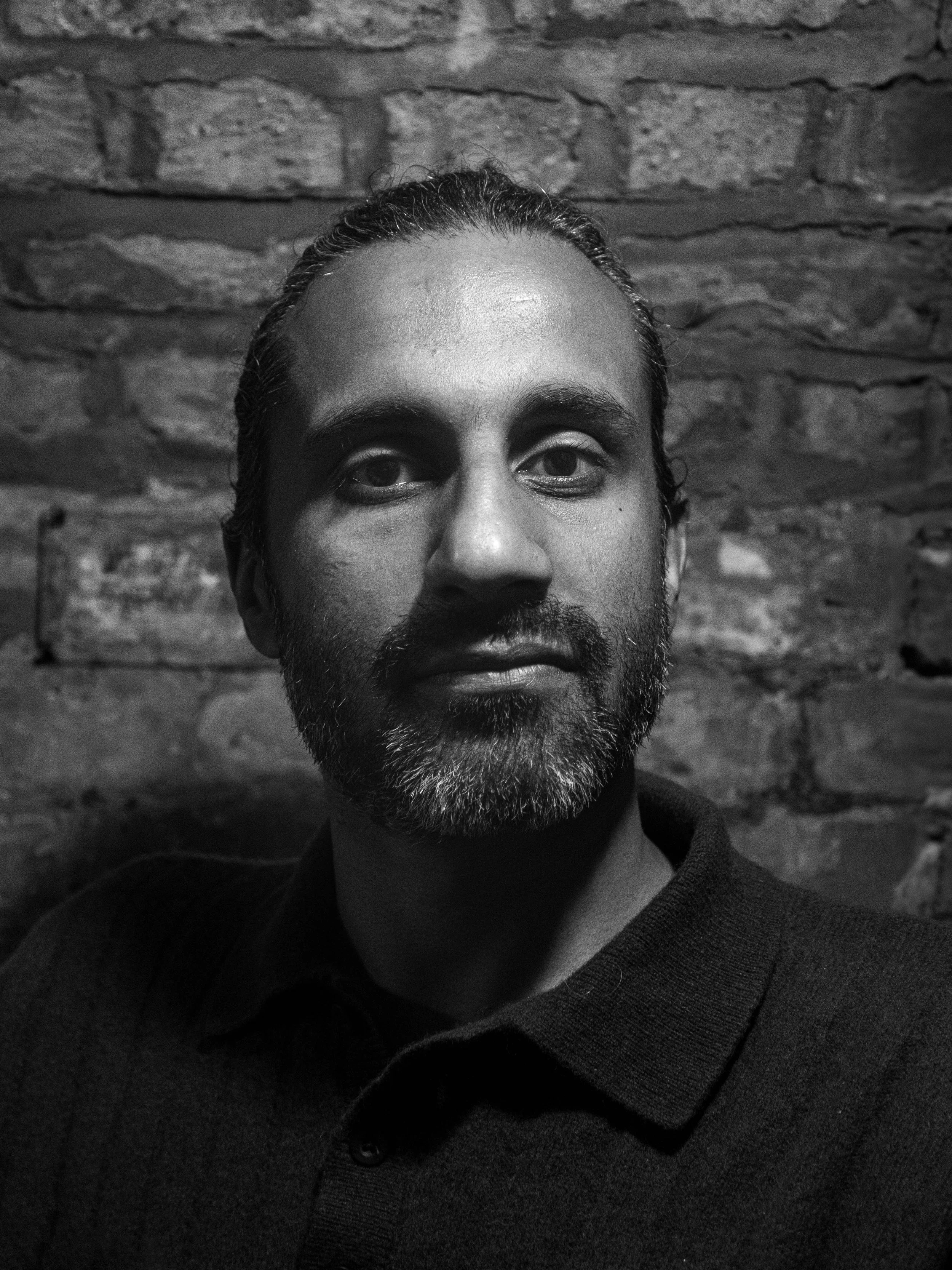
Jeremy Indika
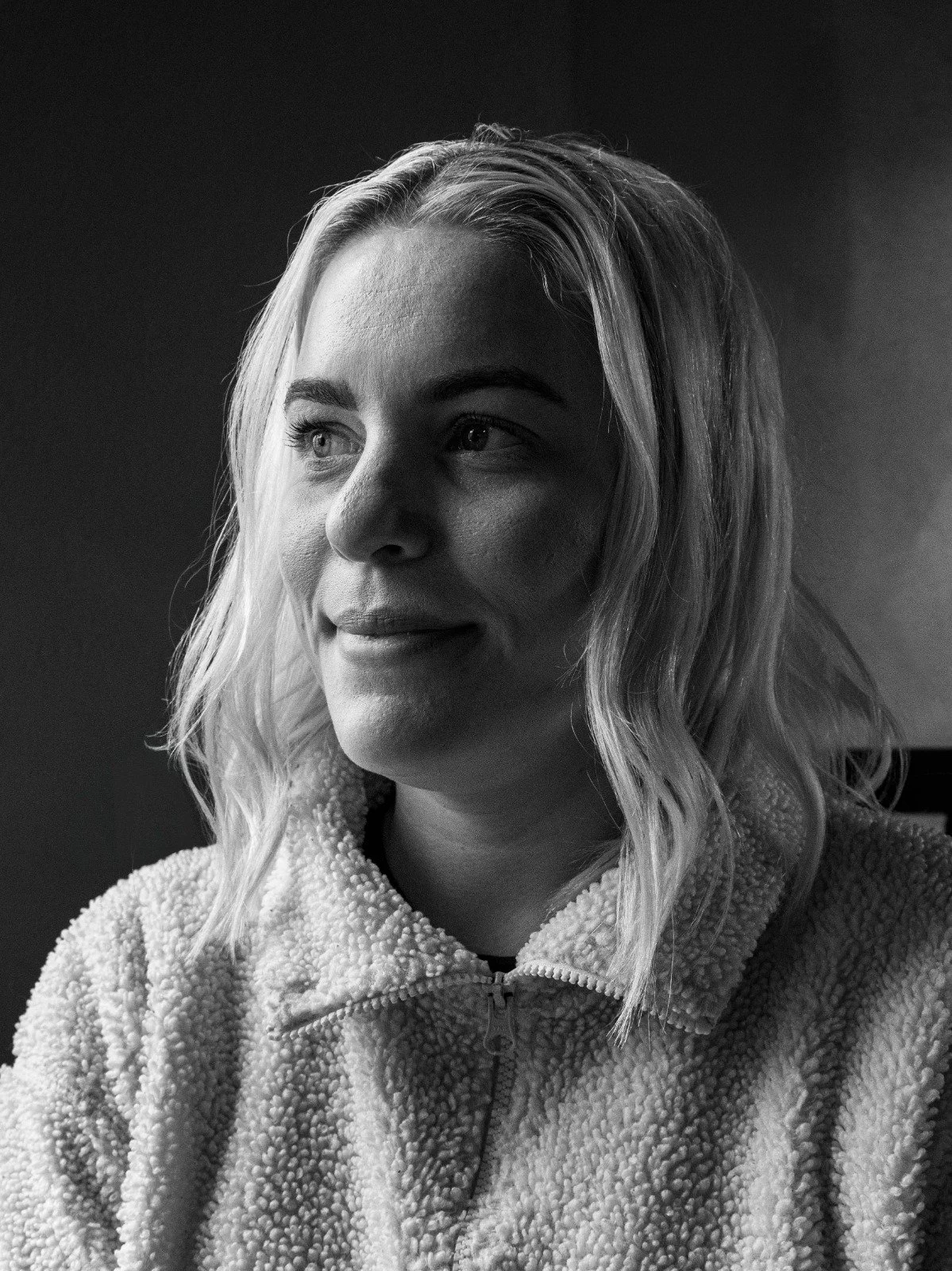
Meg
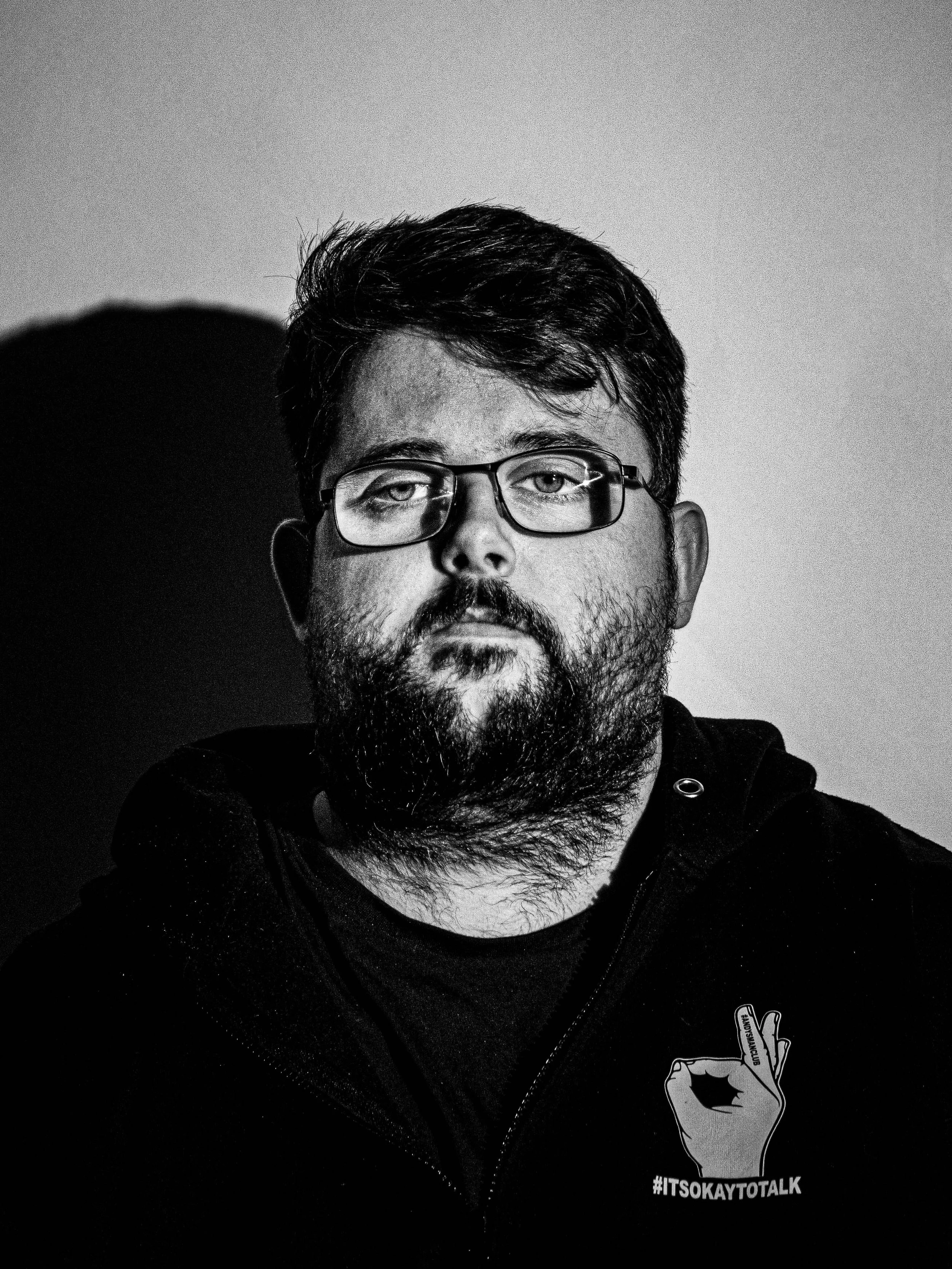
Jack Jackson
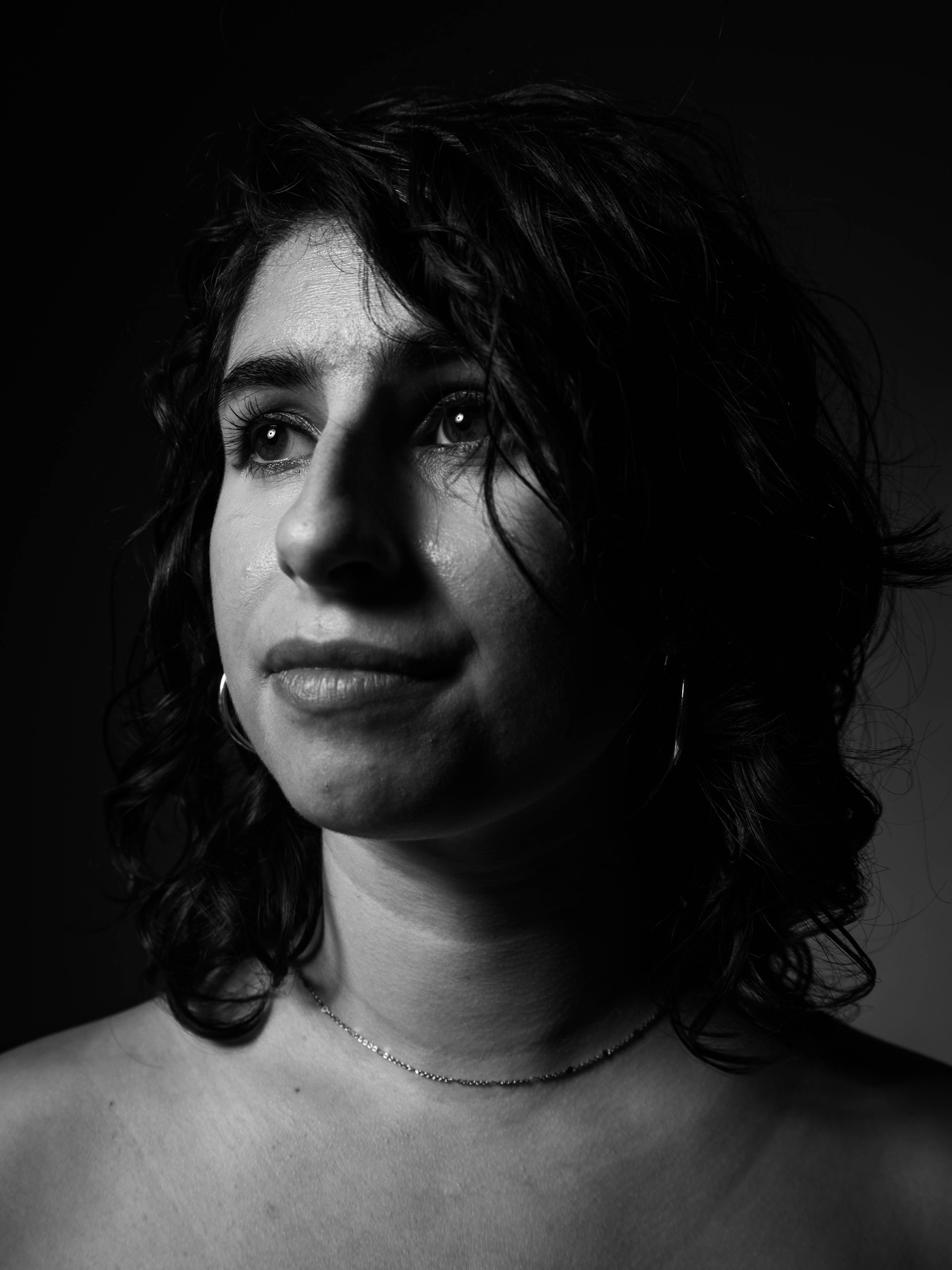
Esther Hernandez
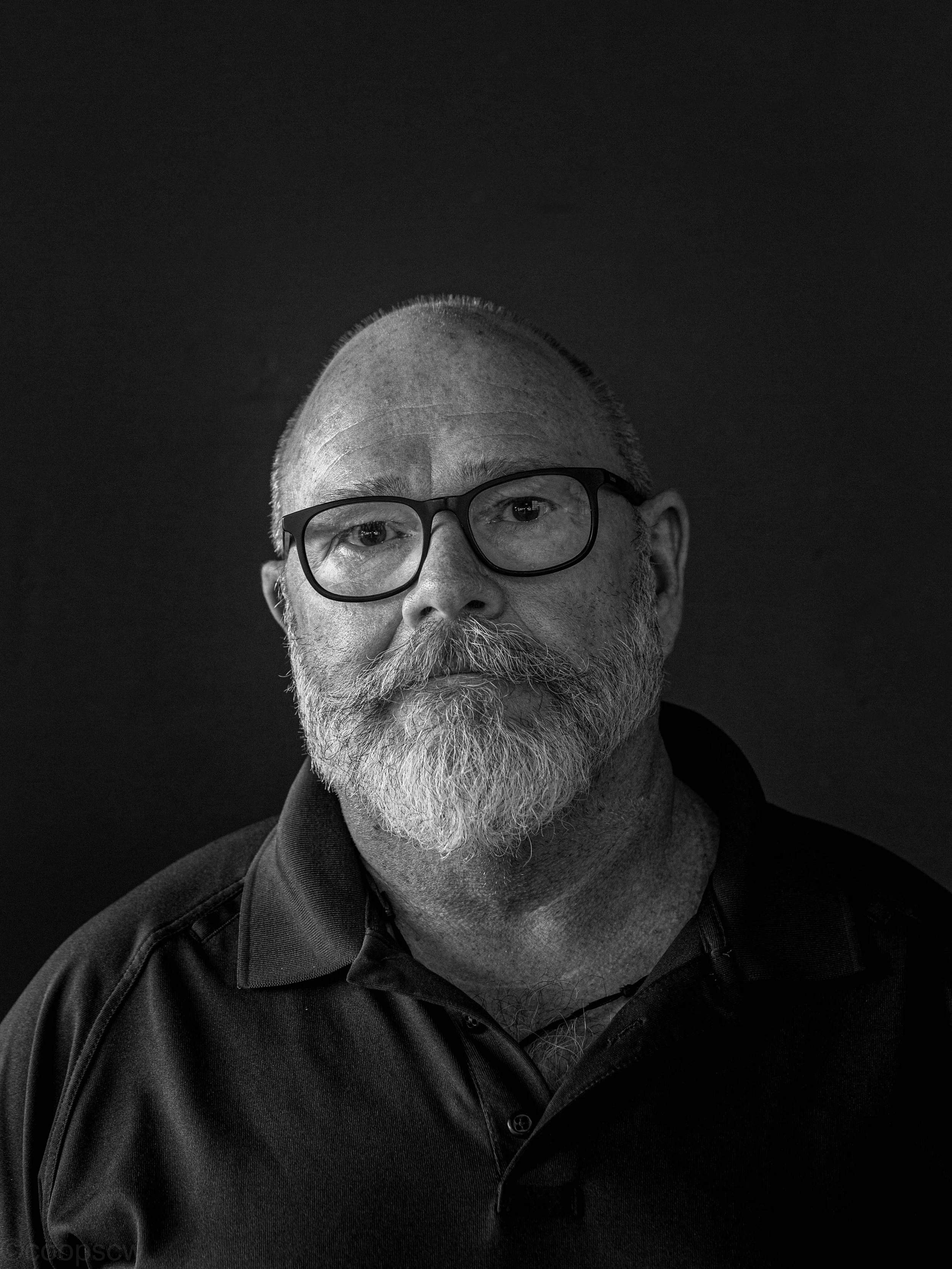
Geoff
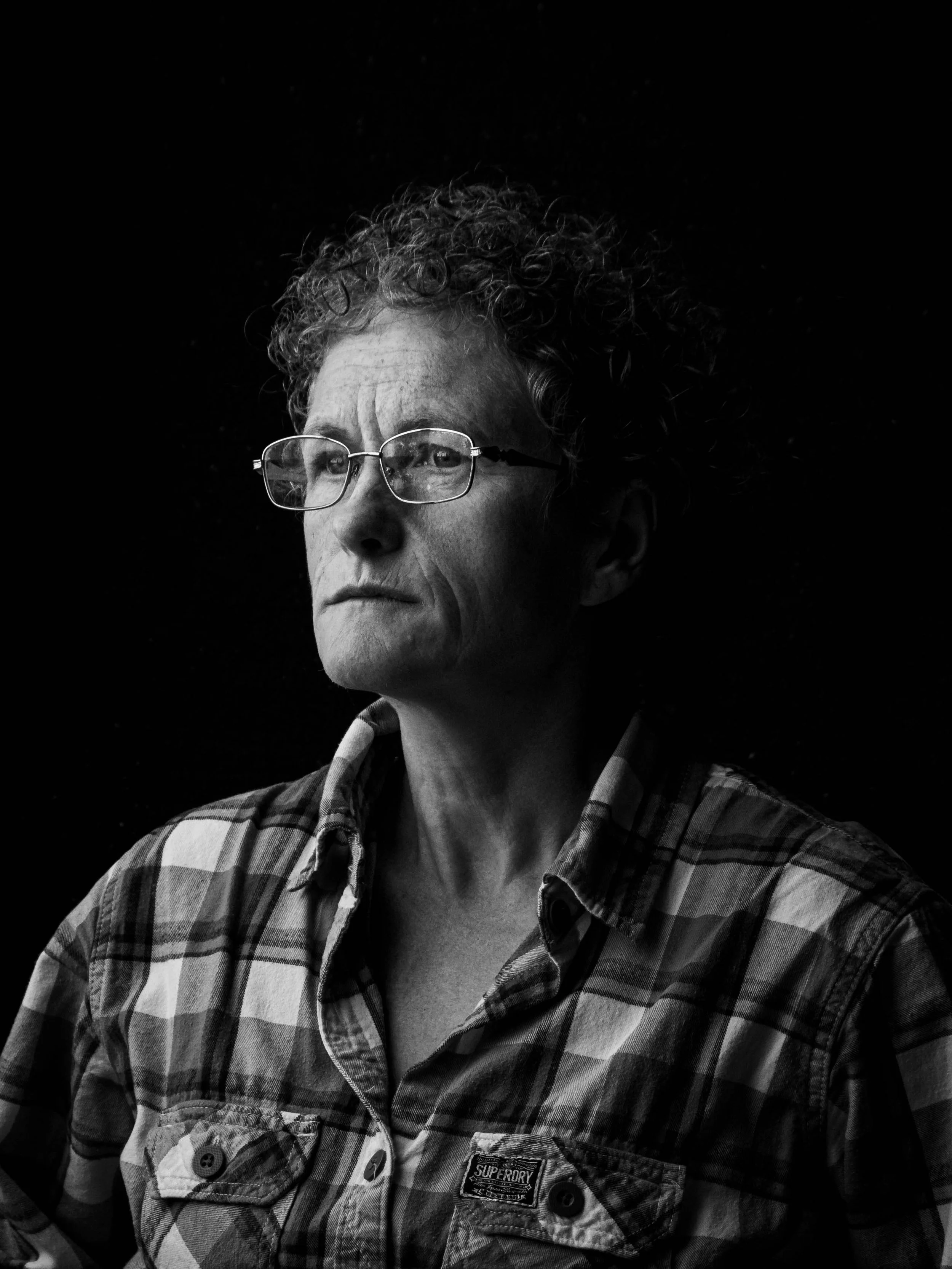
Debbie Riley
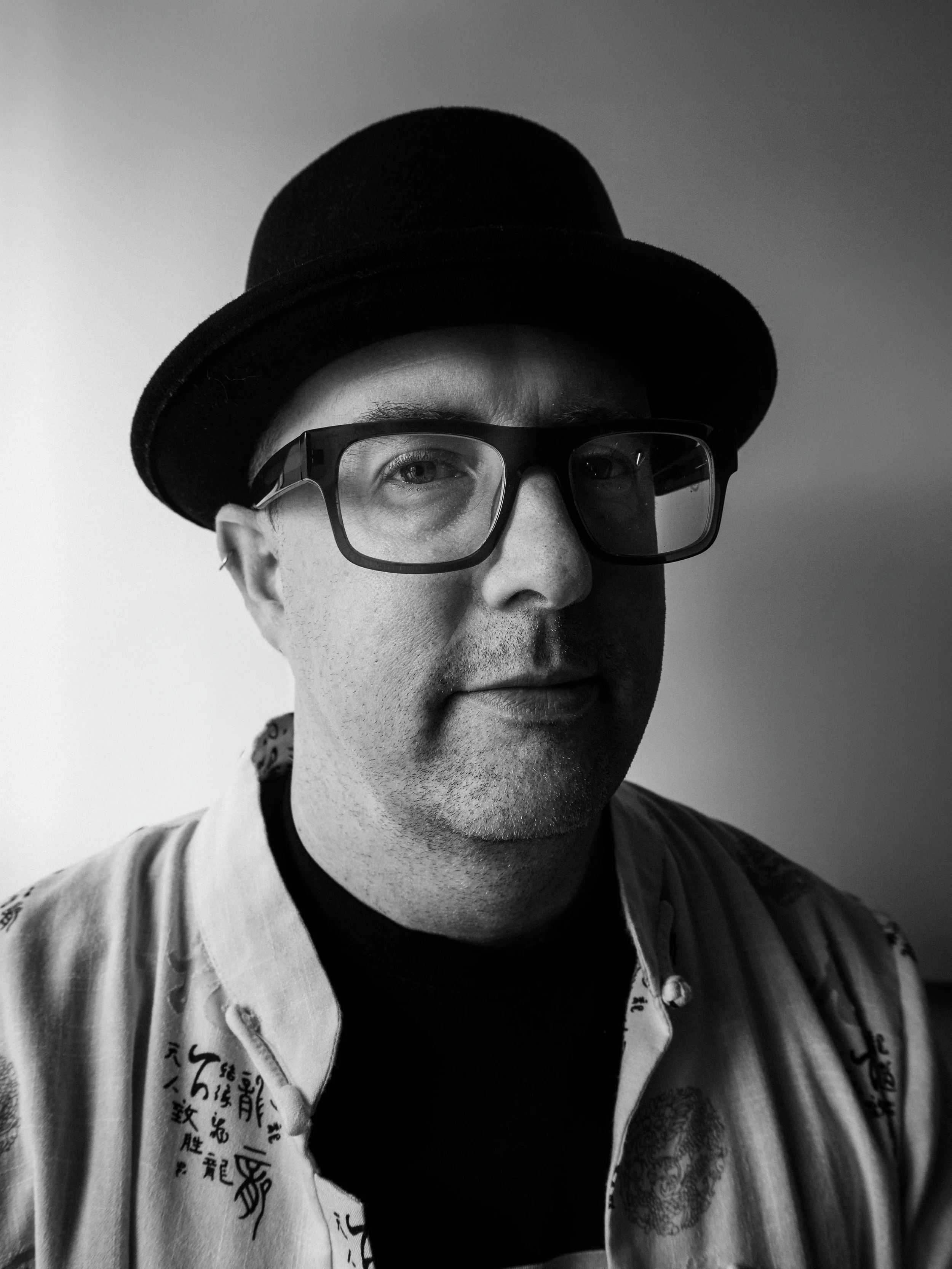
Keith Williams
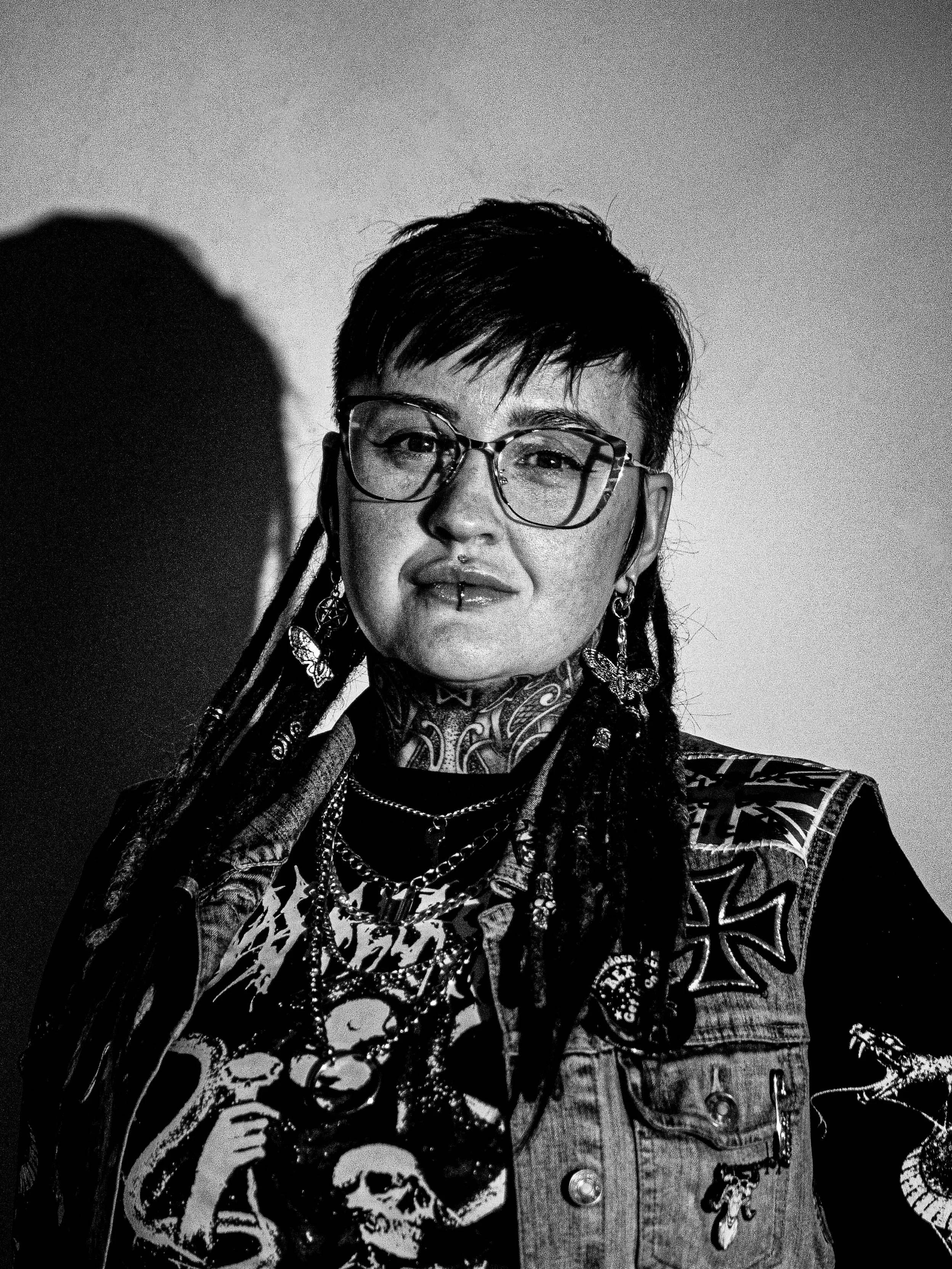
Scarlett Rose Robertson
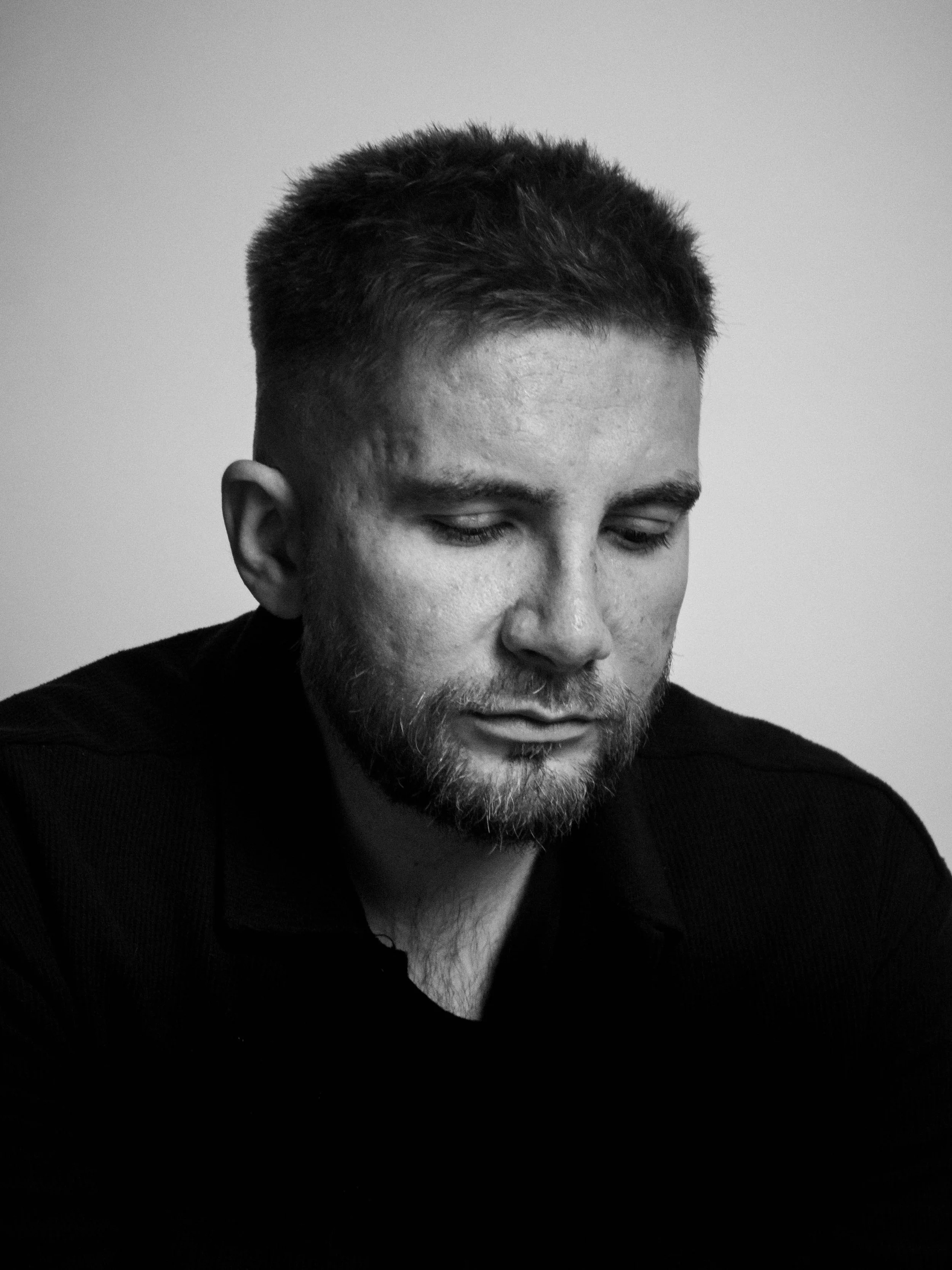
Kieron
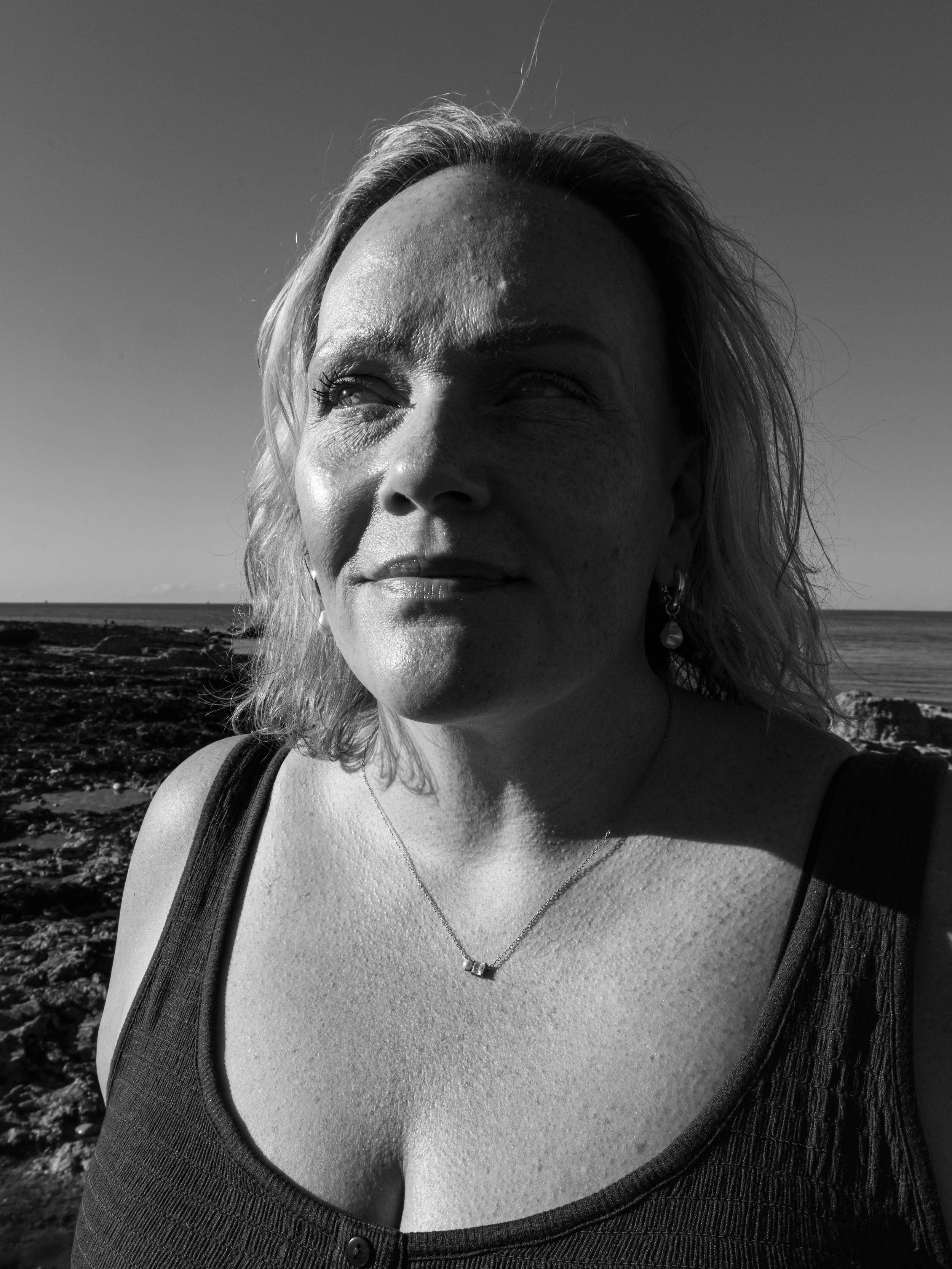
Sally Matthews
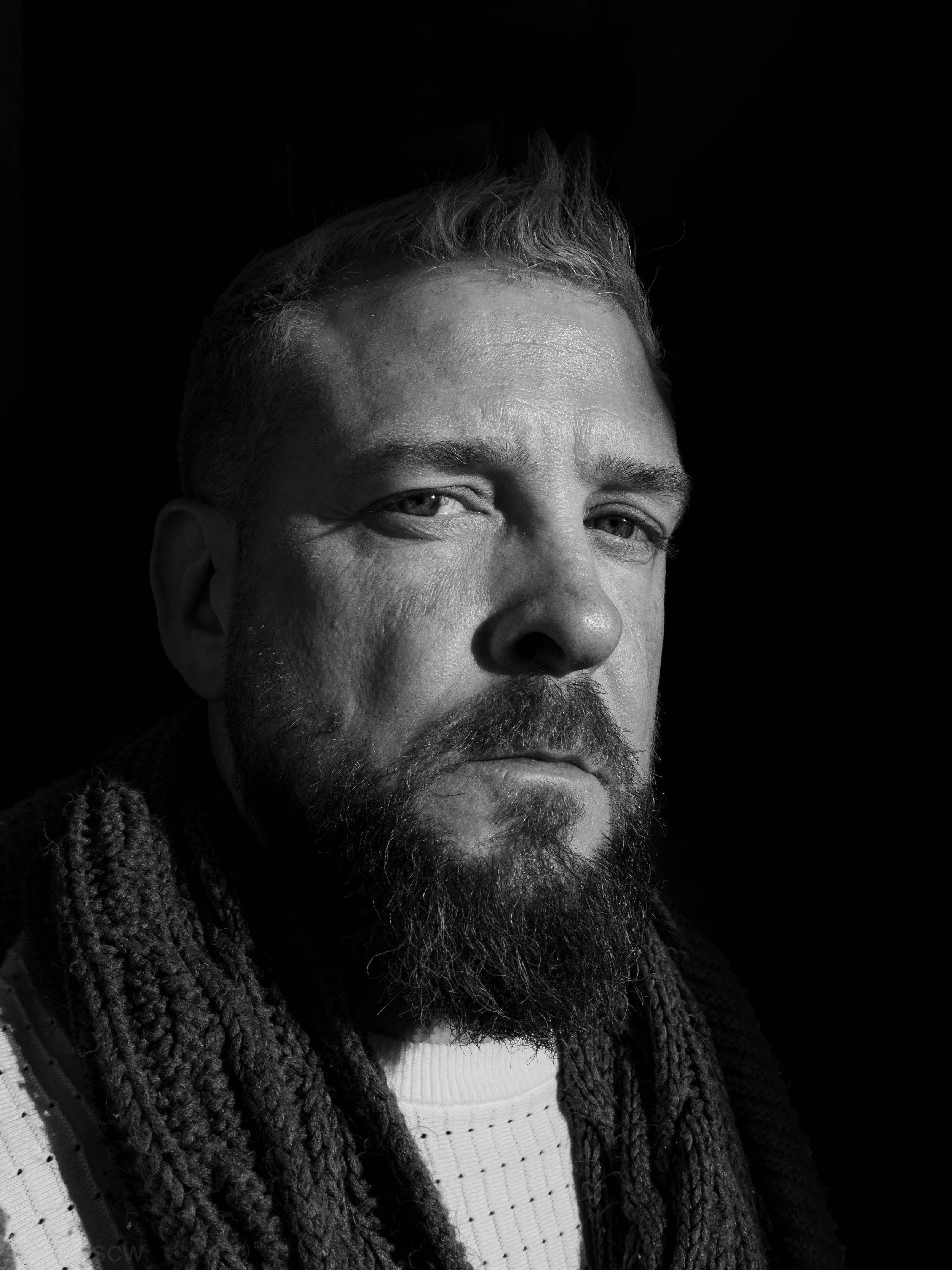
Banksy
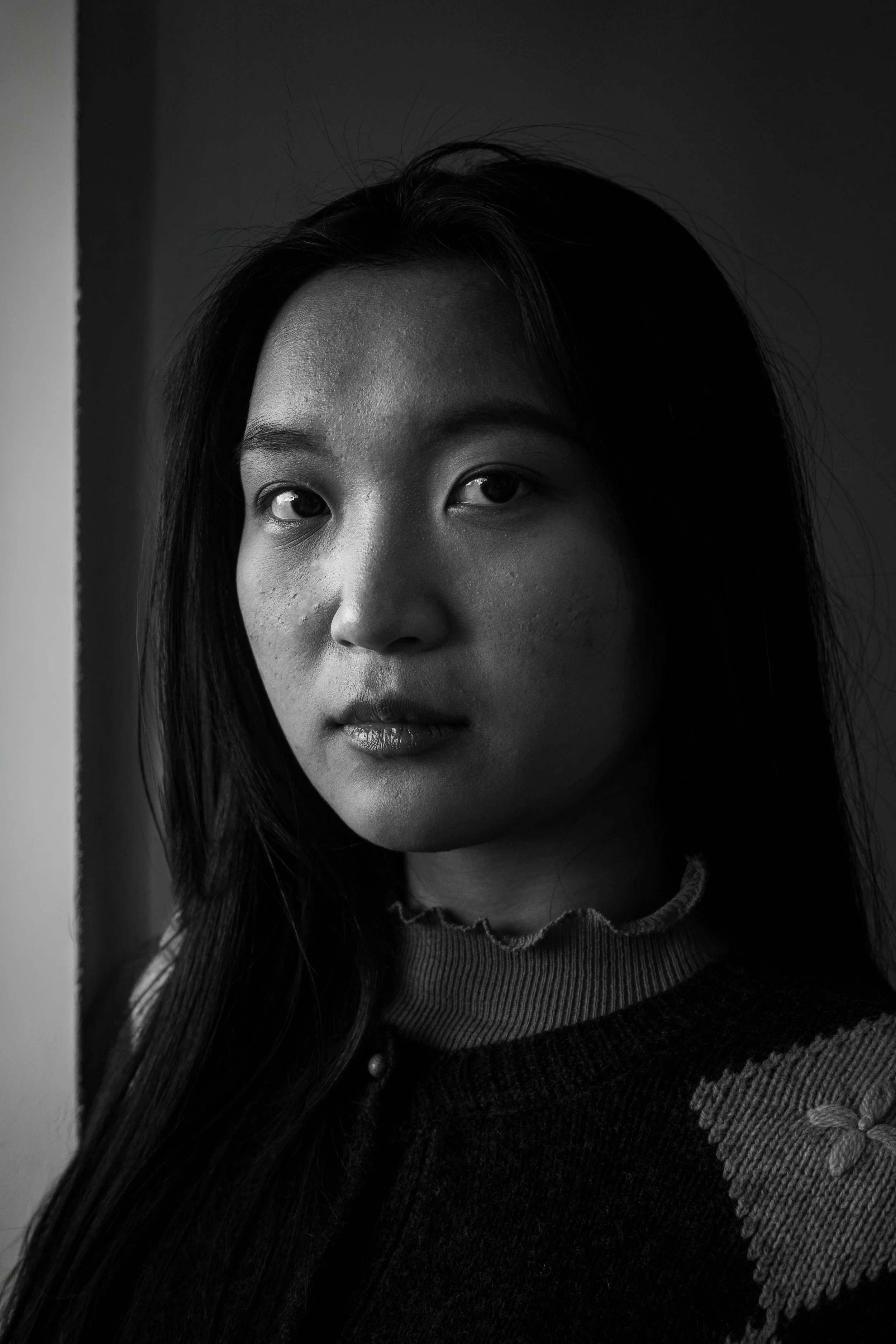
Hua
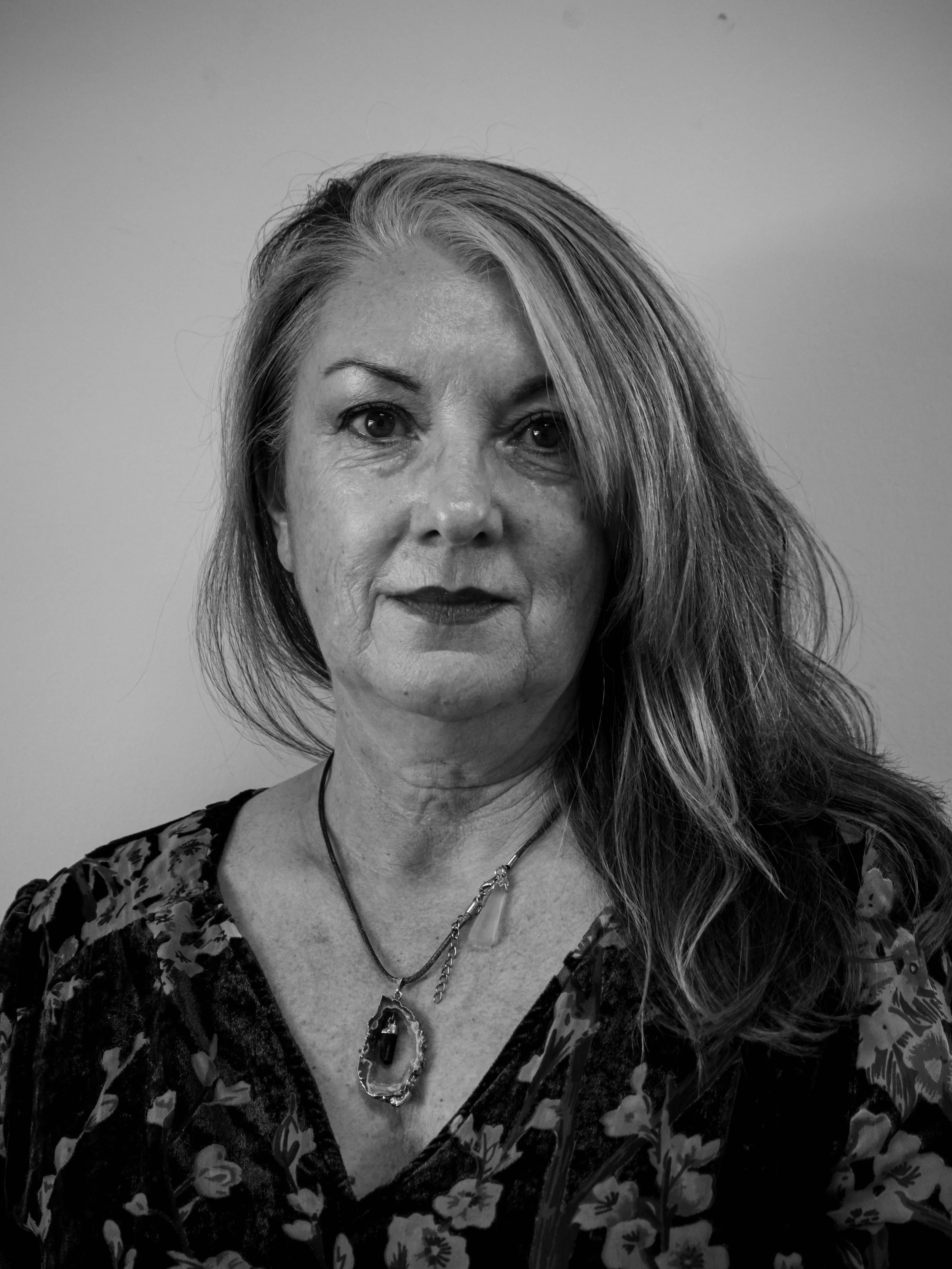
Michelle van Toop
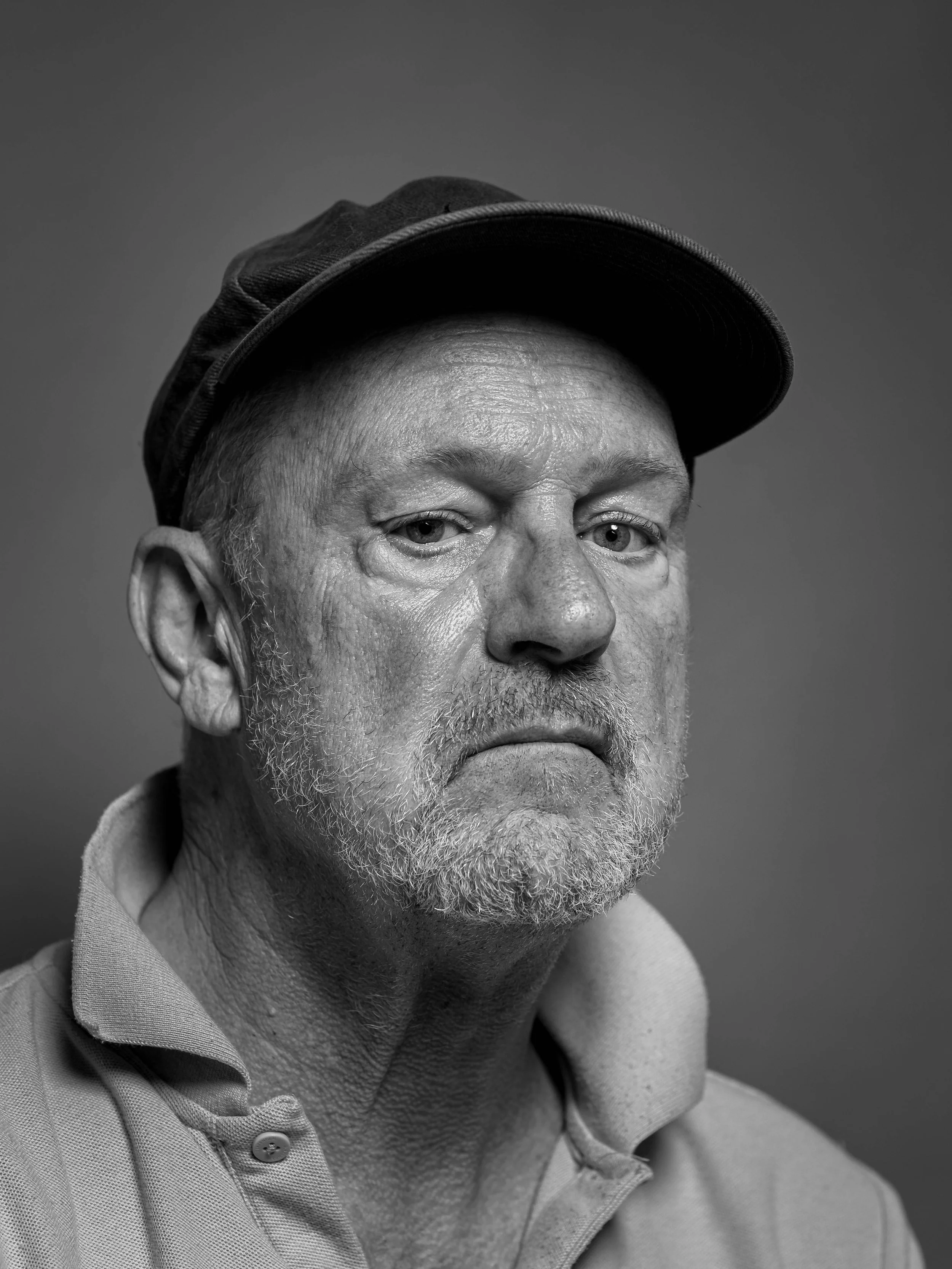
Dr Peter McParlin
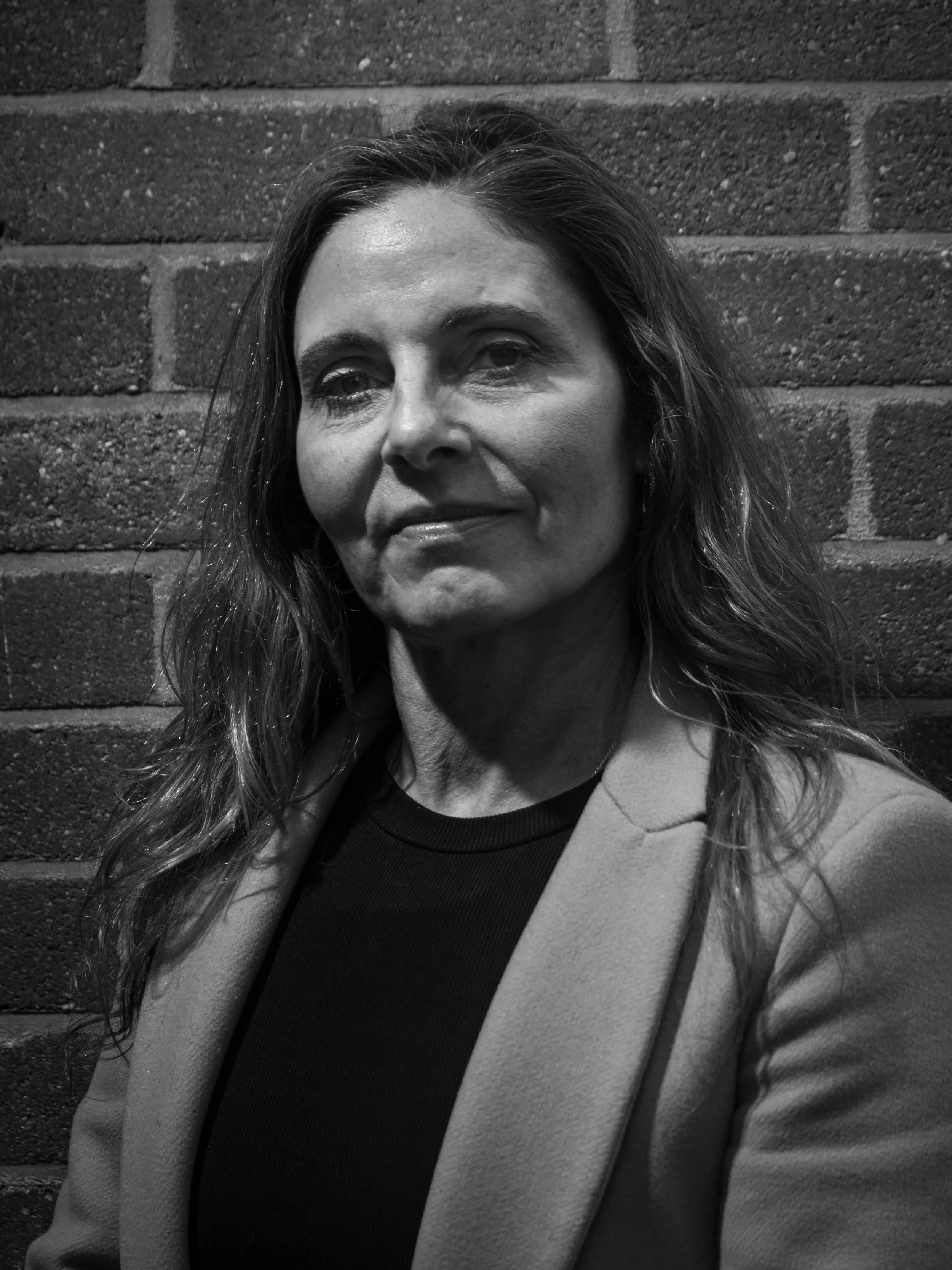
Emma Jane Taylor
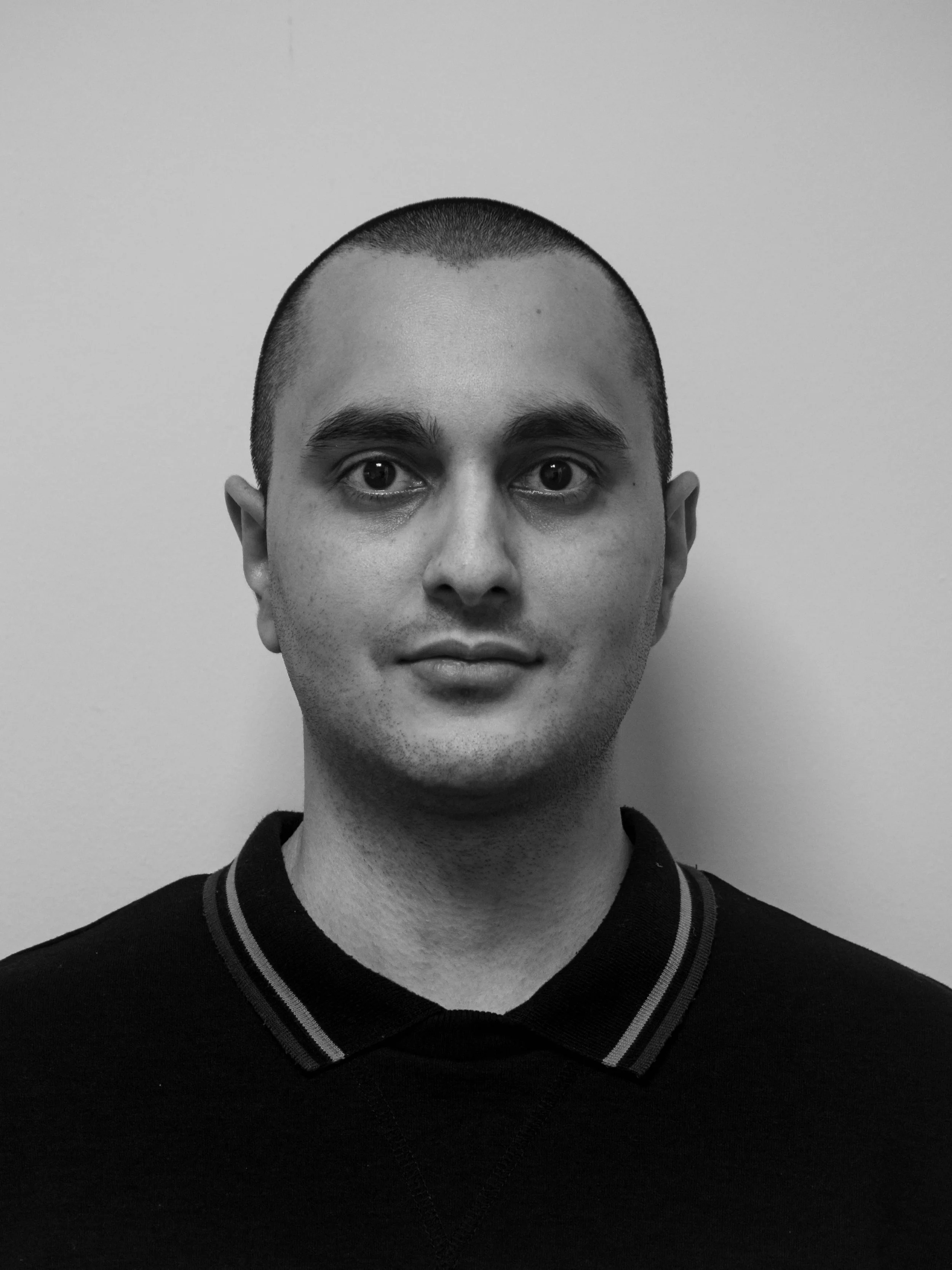
Shikesh Sorathia
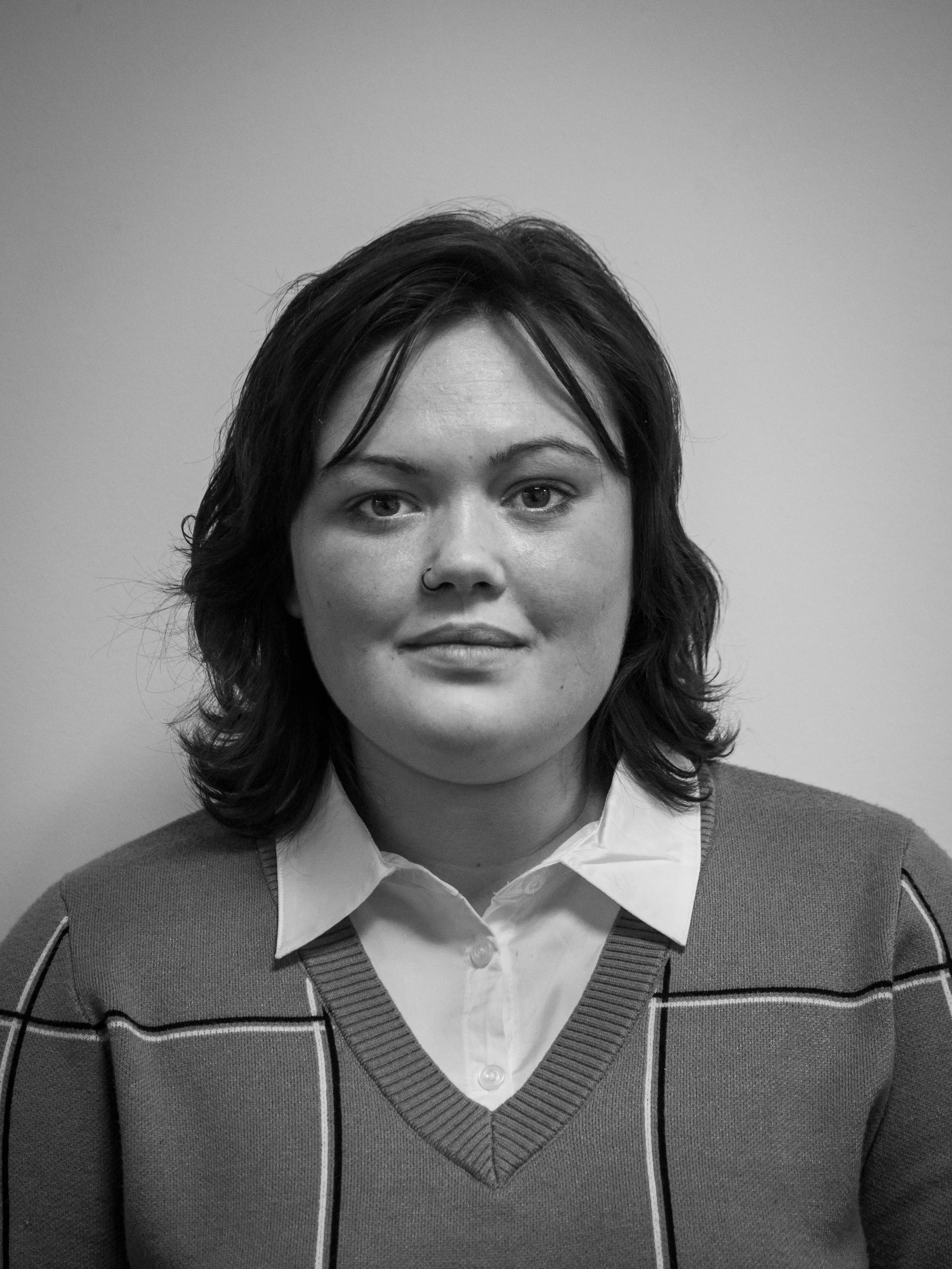
Mollie Harris
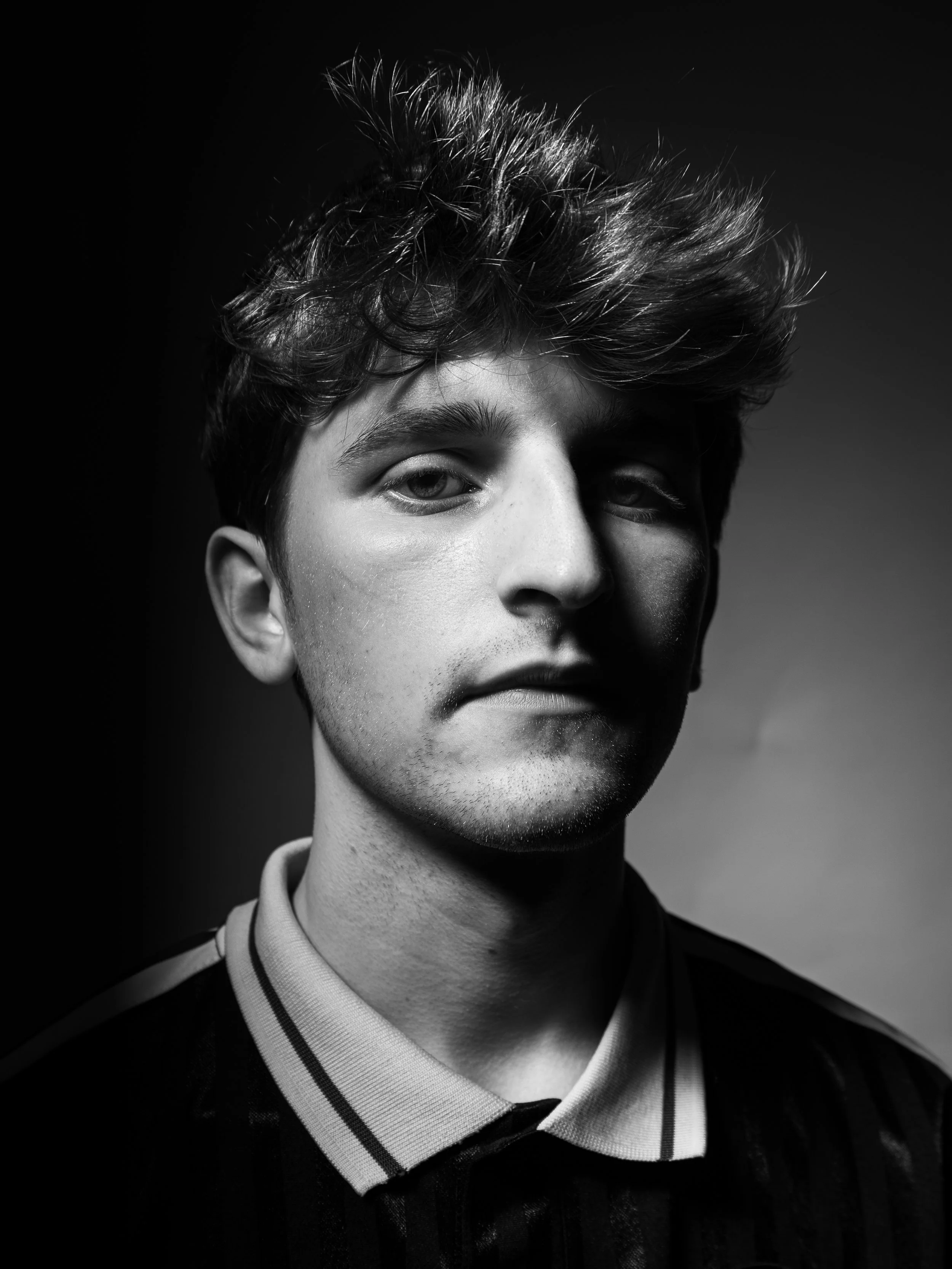
Rob King
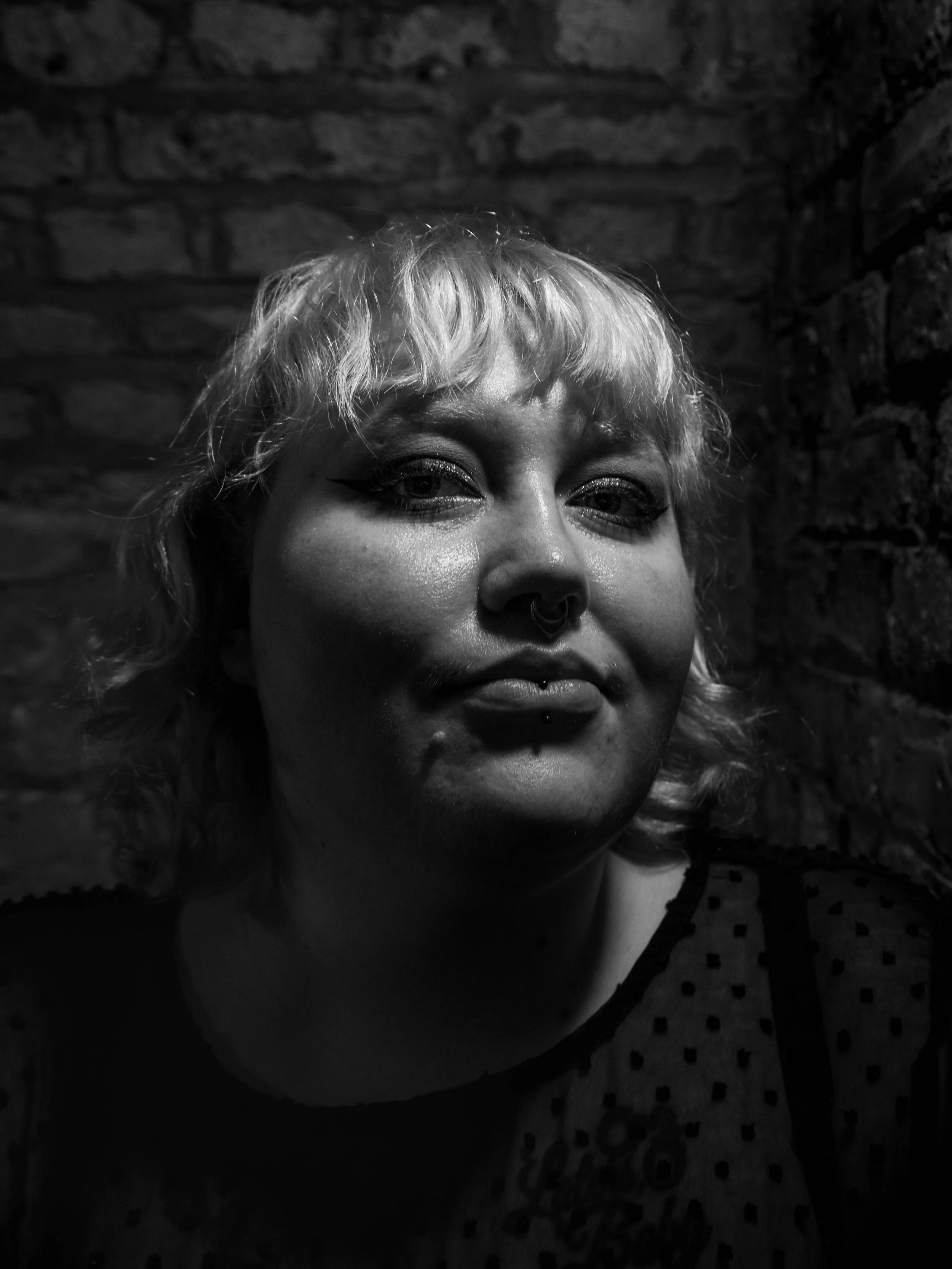
Ivy Sellers
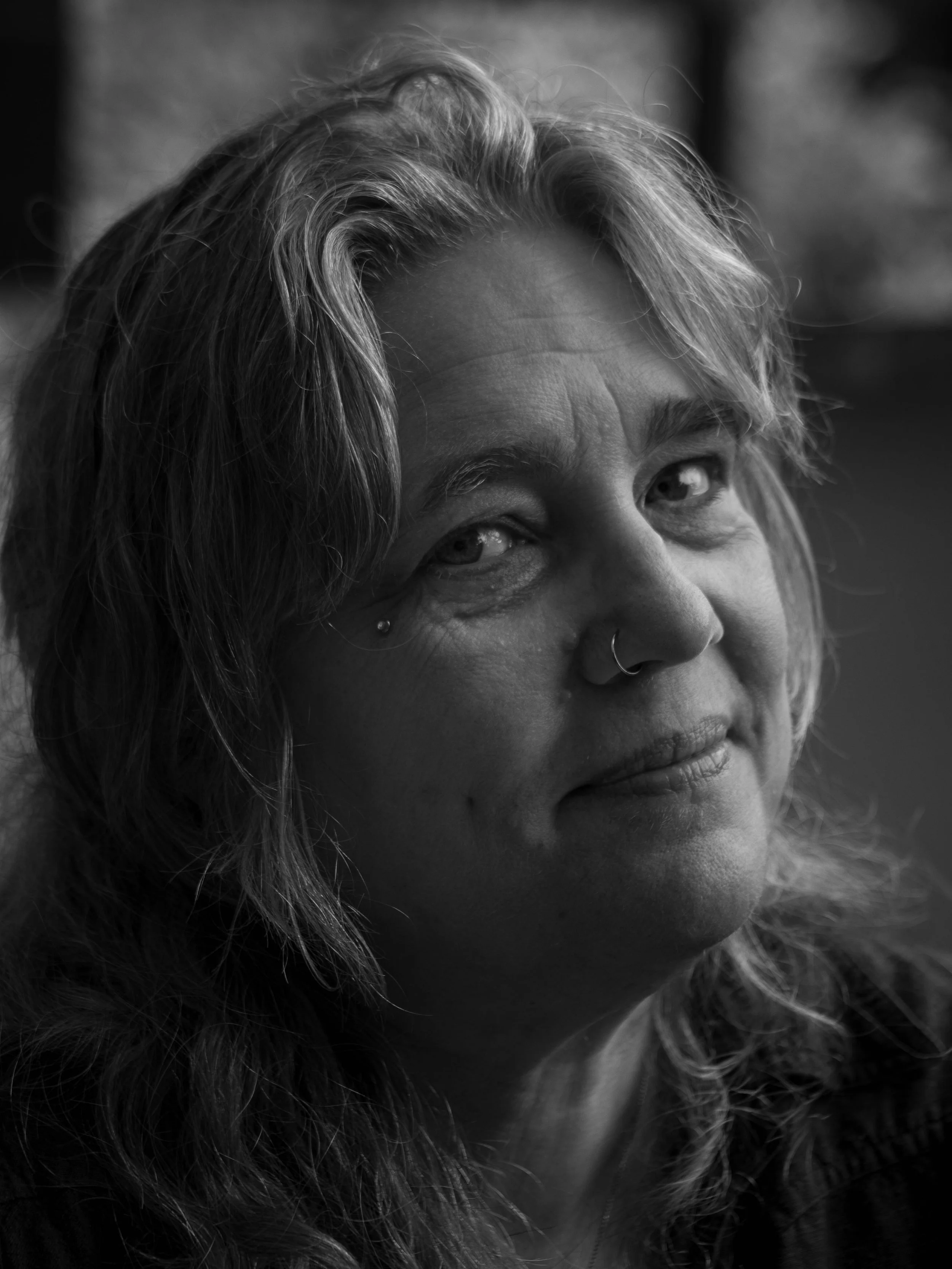
Karen
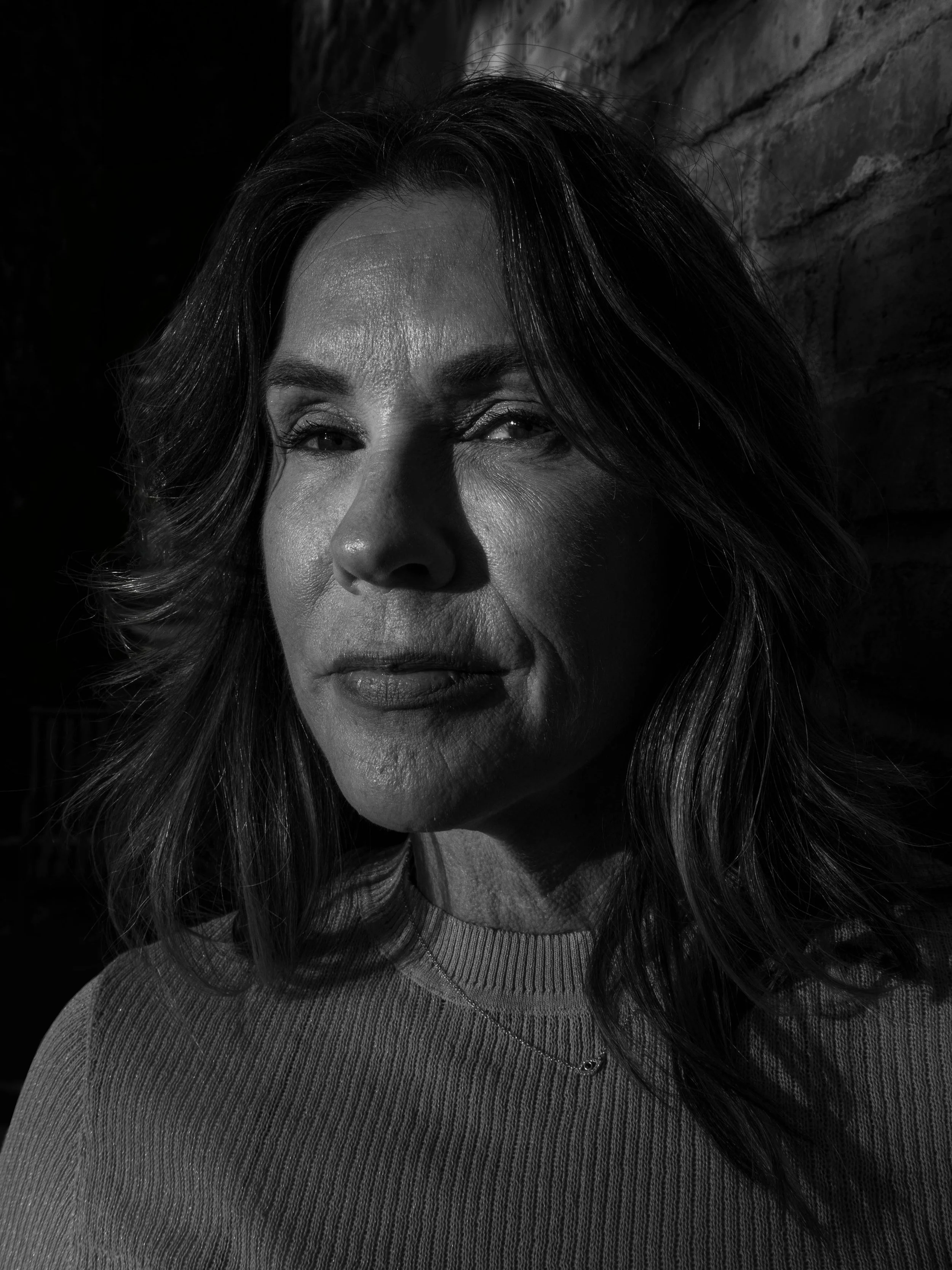
Colleen Mullowney
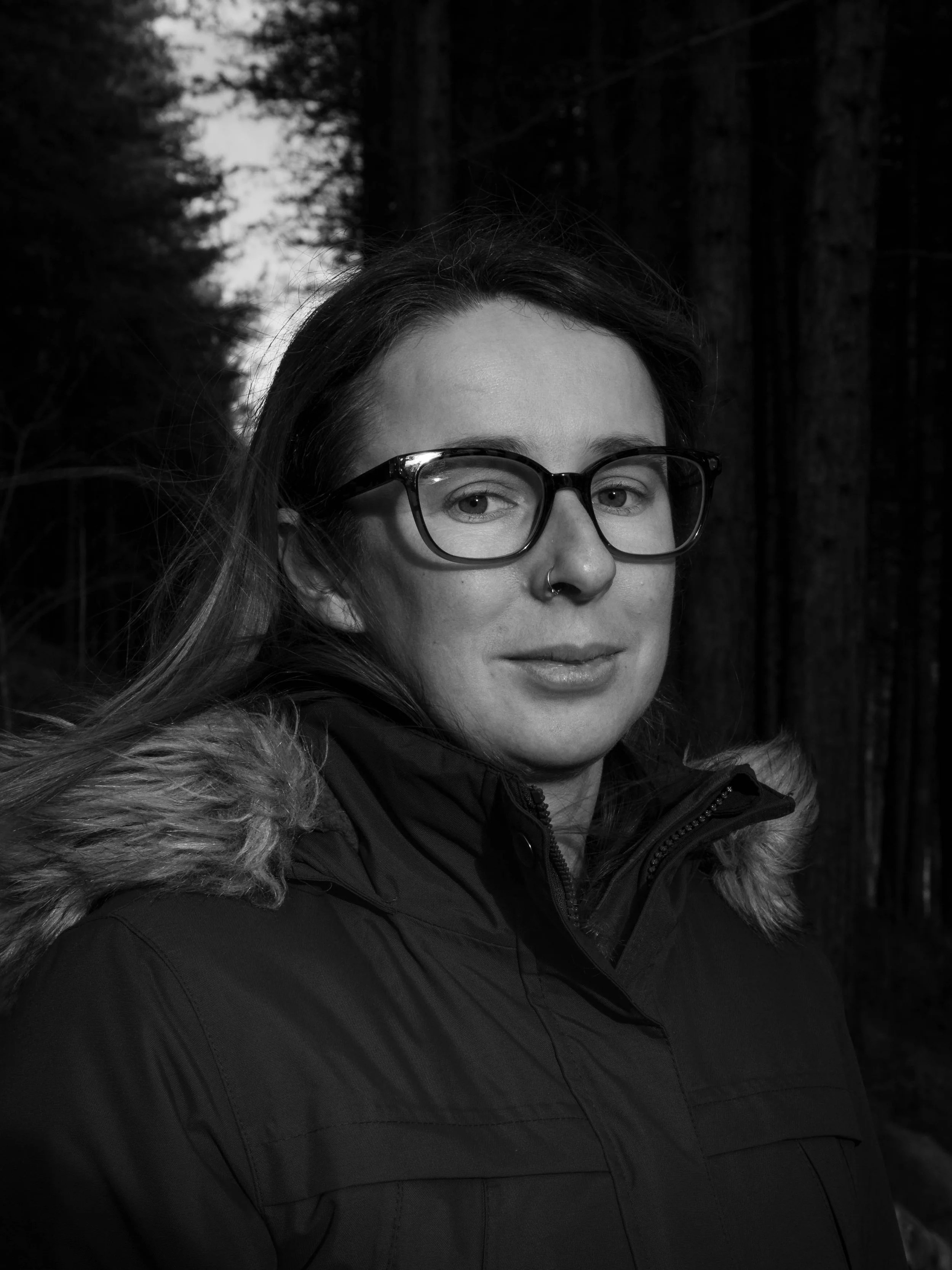
Beth McManus
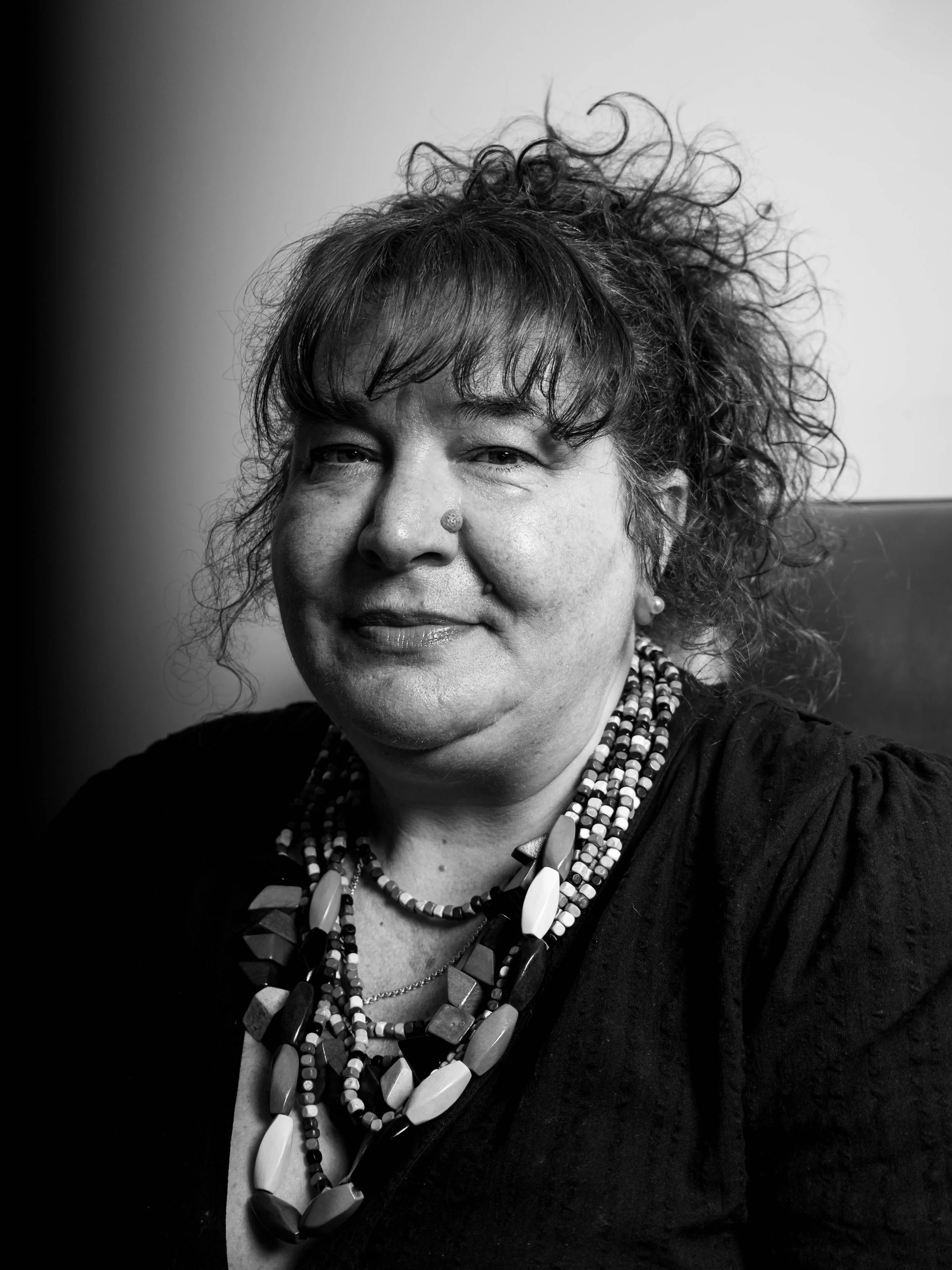
Leyla Simsek
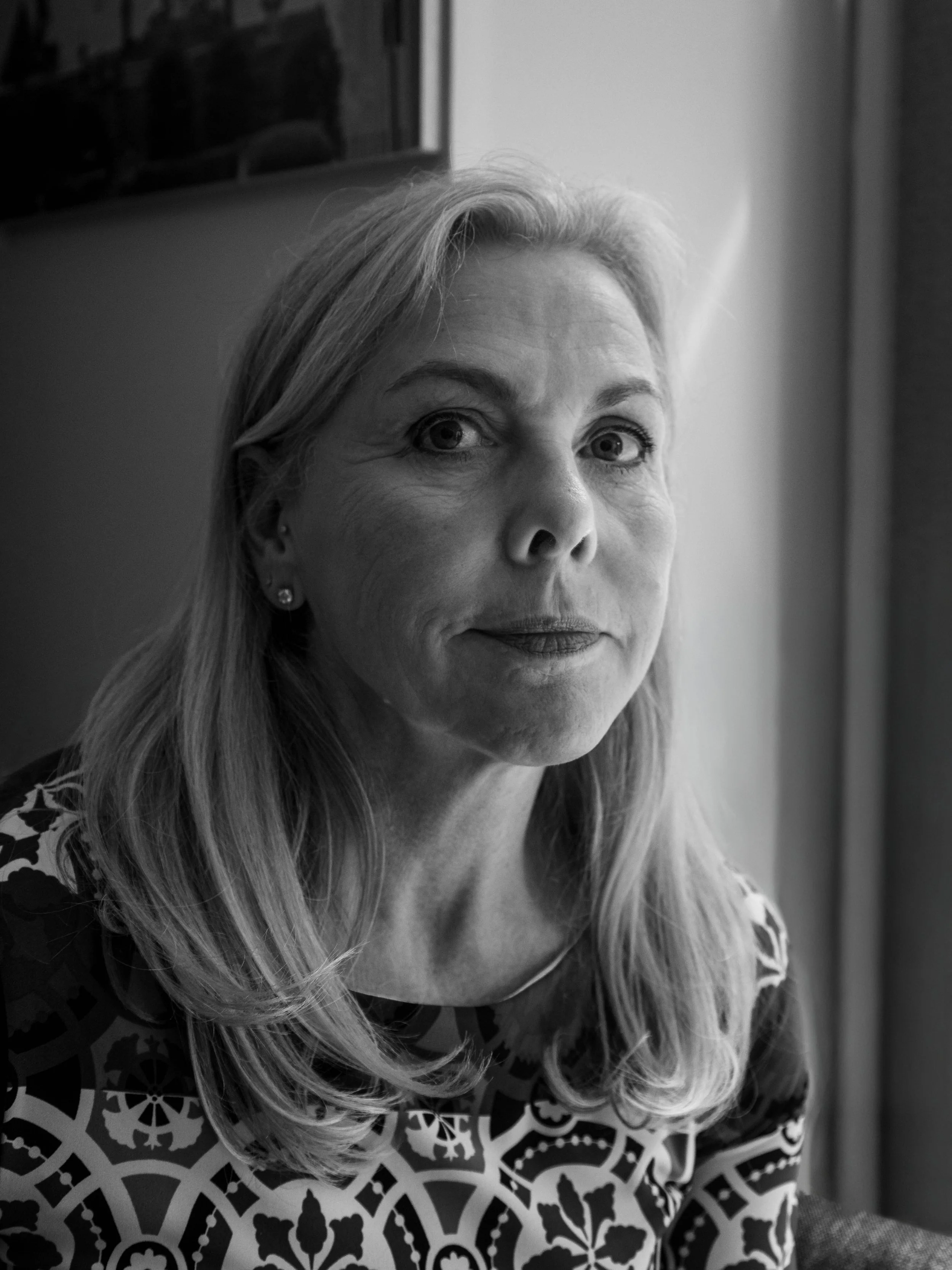
Carole Brooks
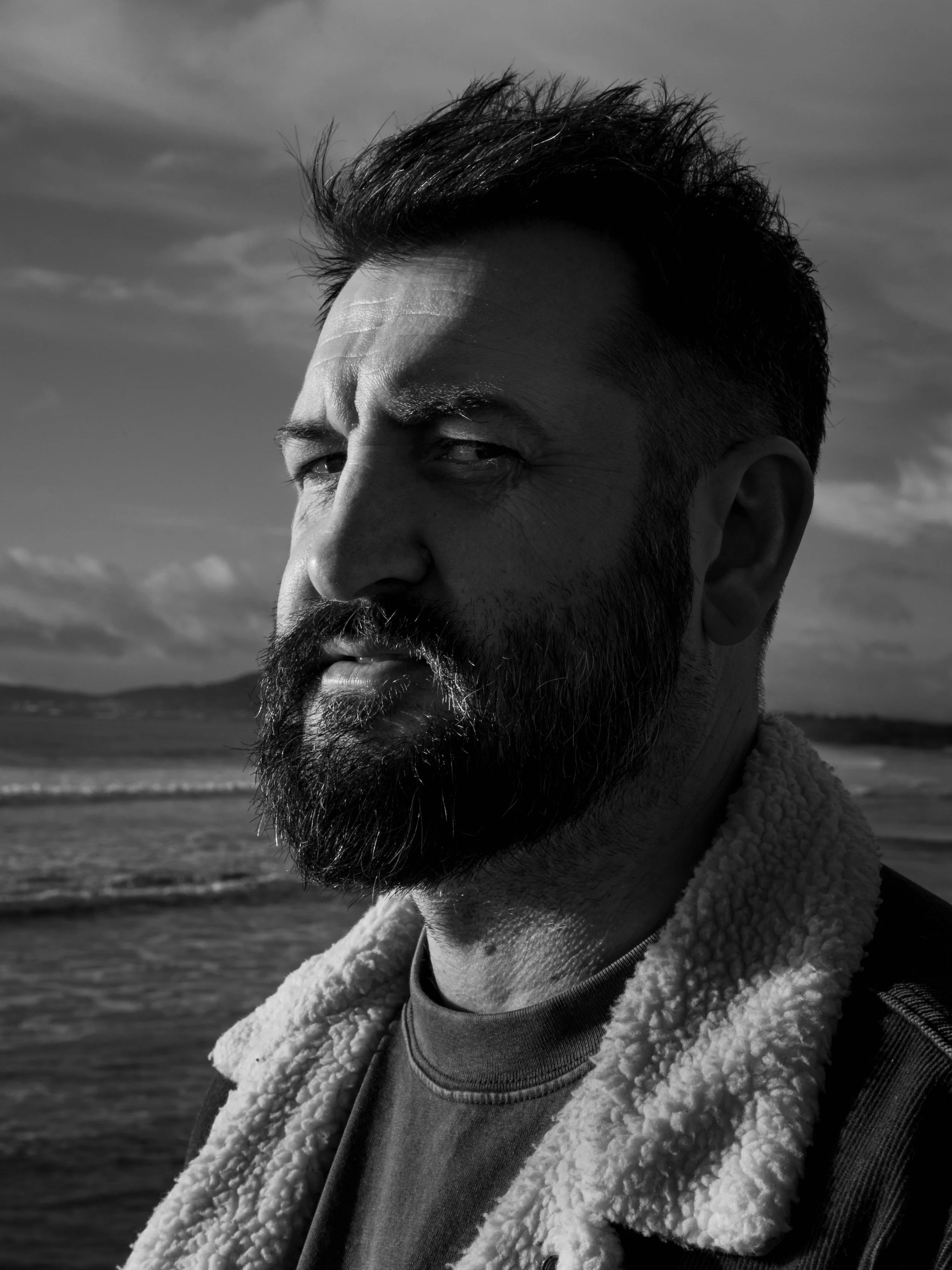
Dale Fischer
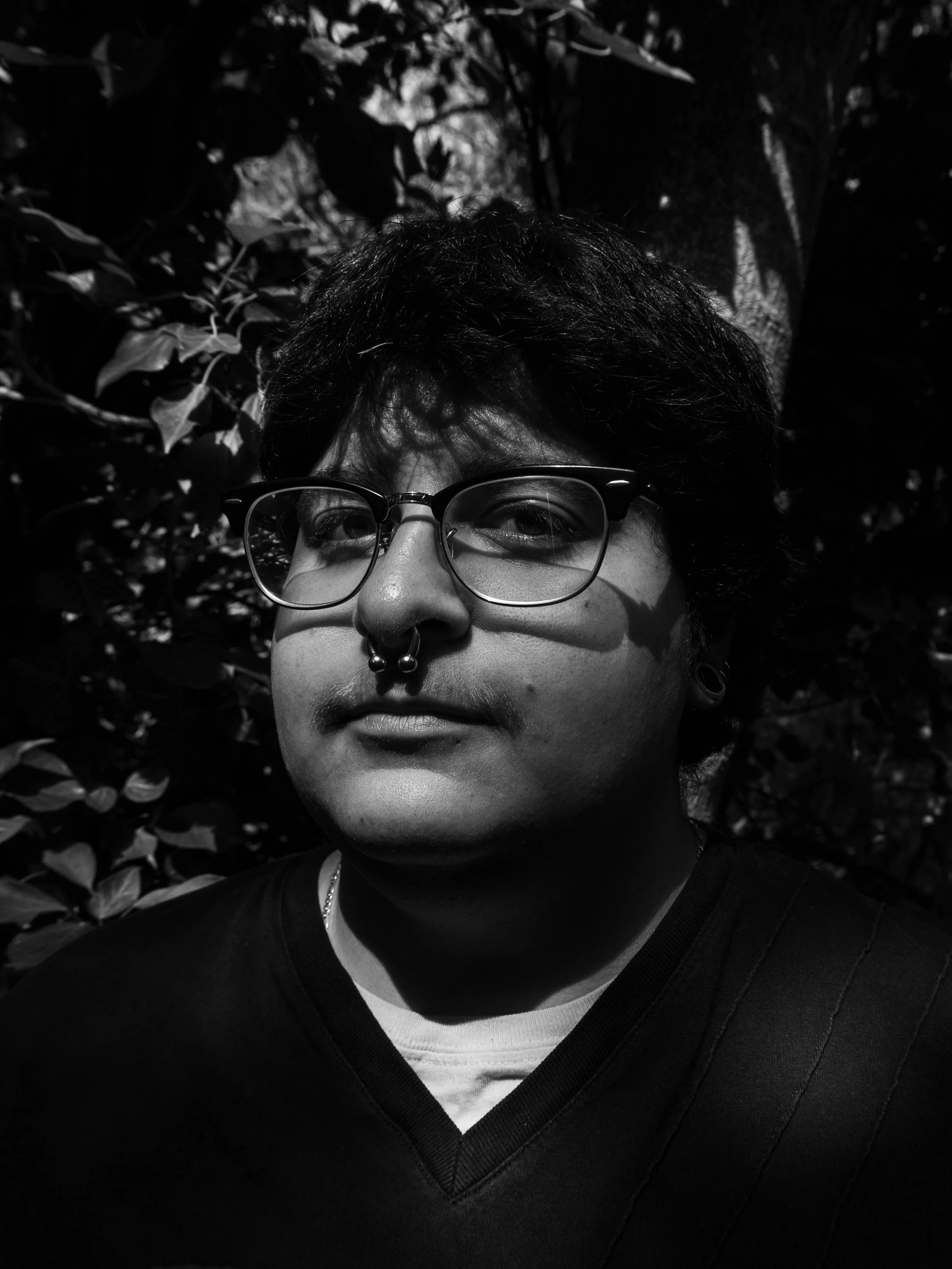
Ana Assef Olmedo
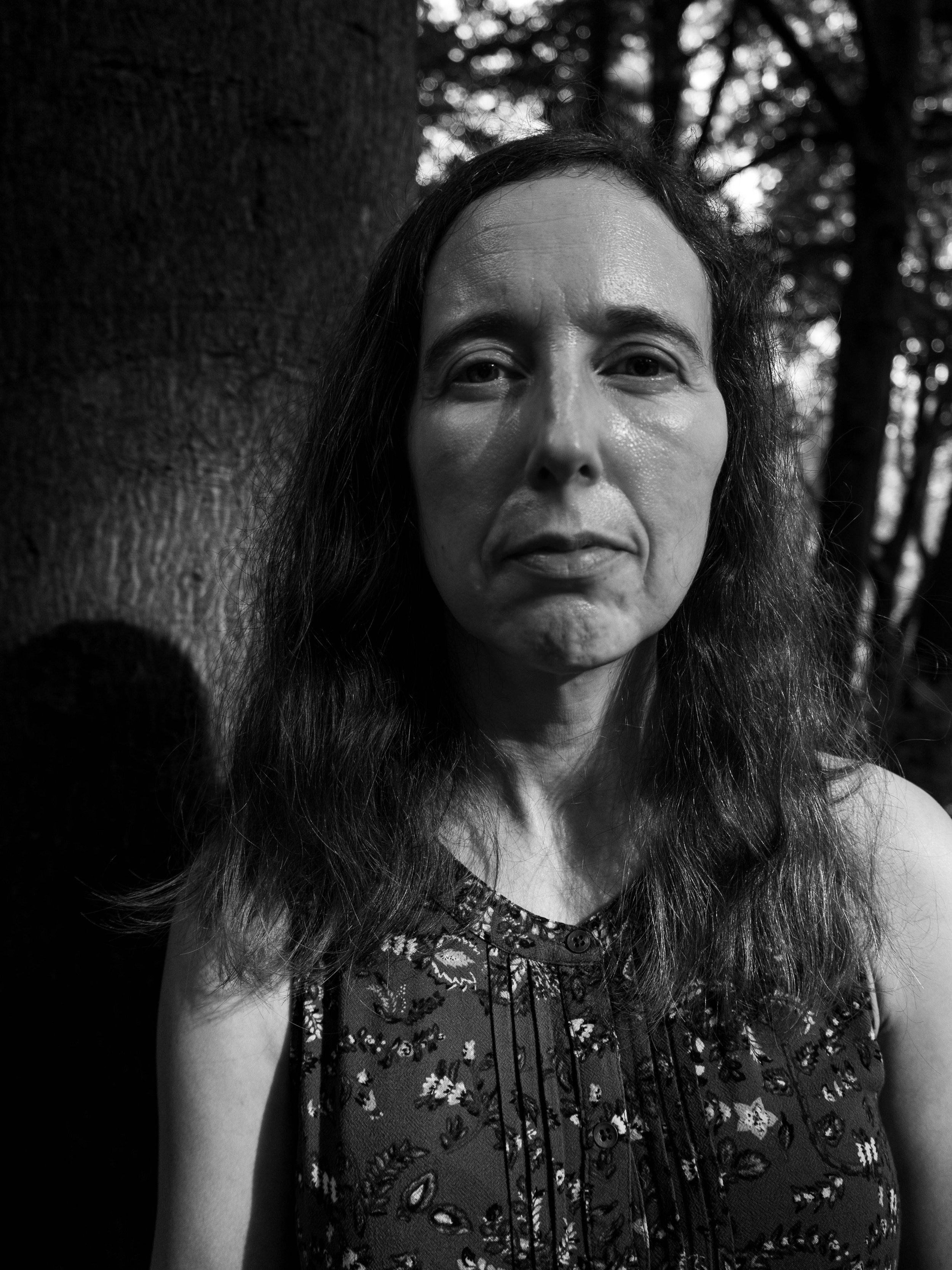
Bethan Bruma
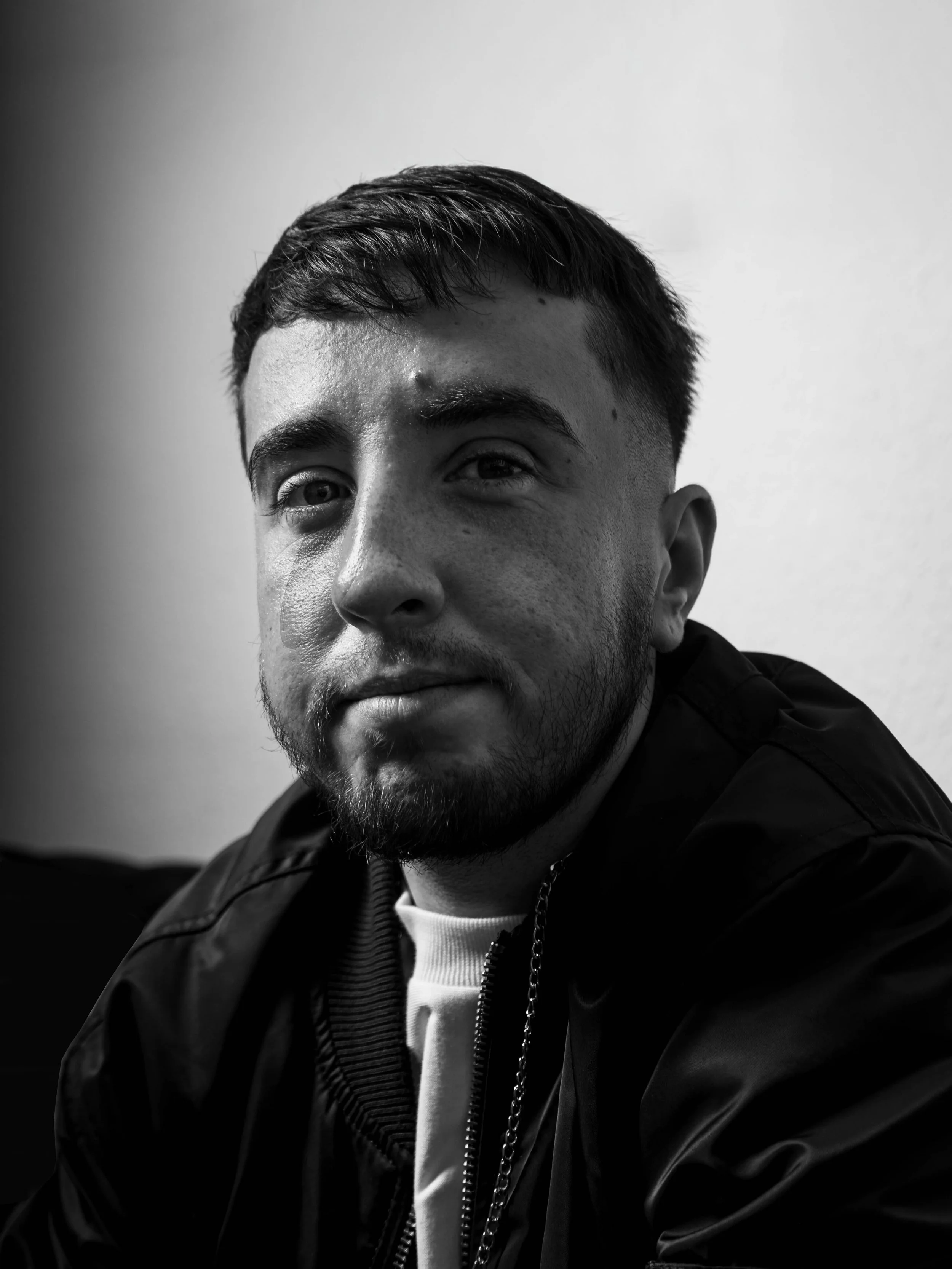
Jamey Dowling
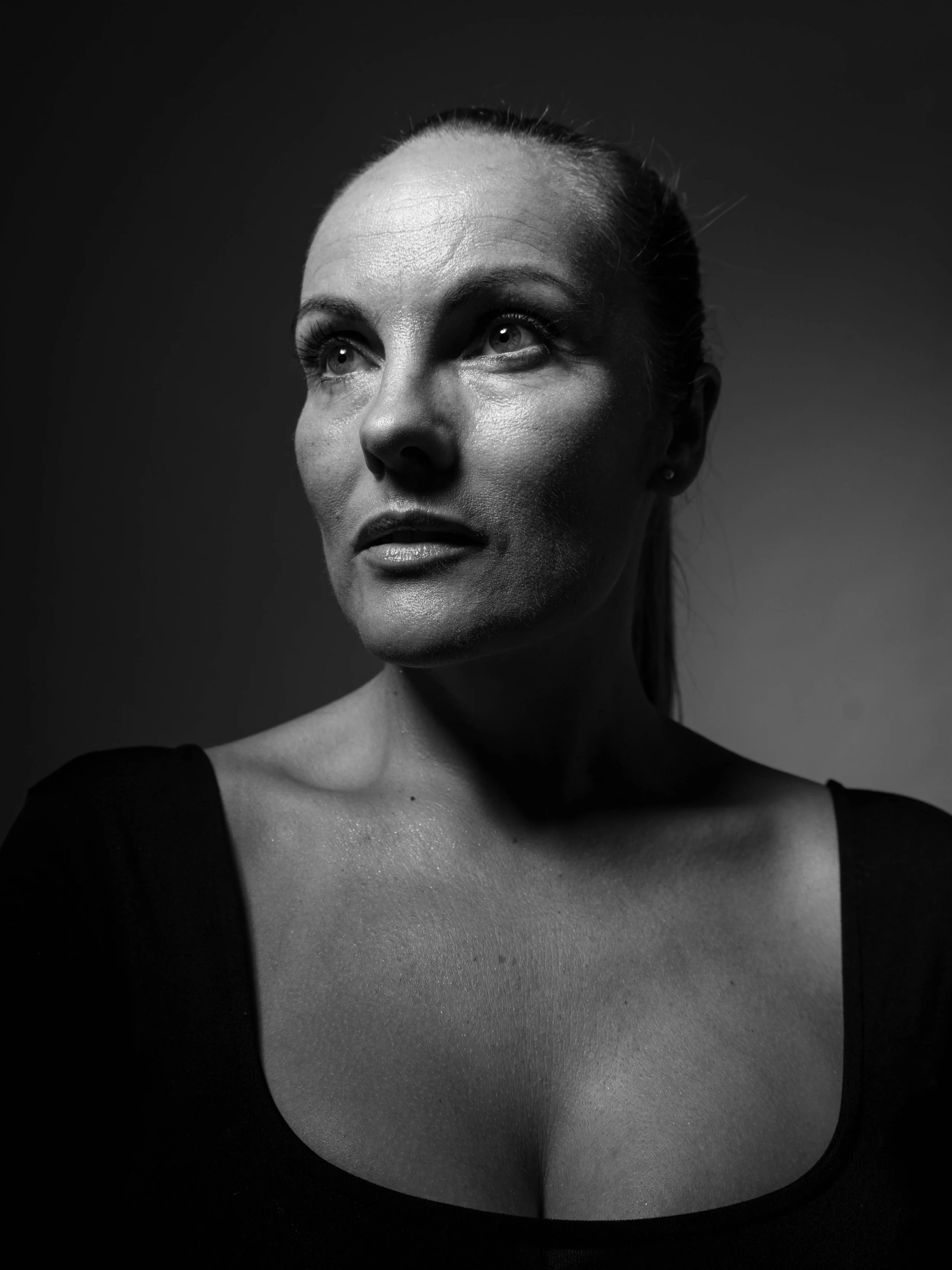
Laura Frances
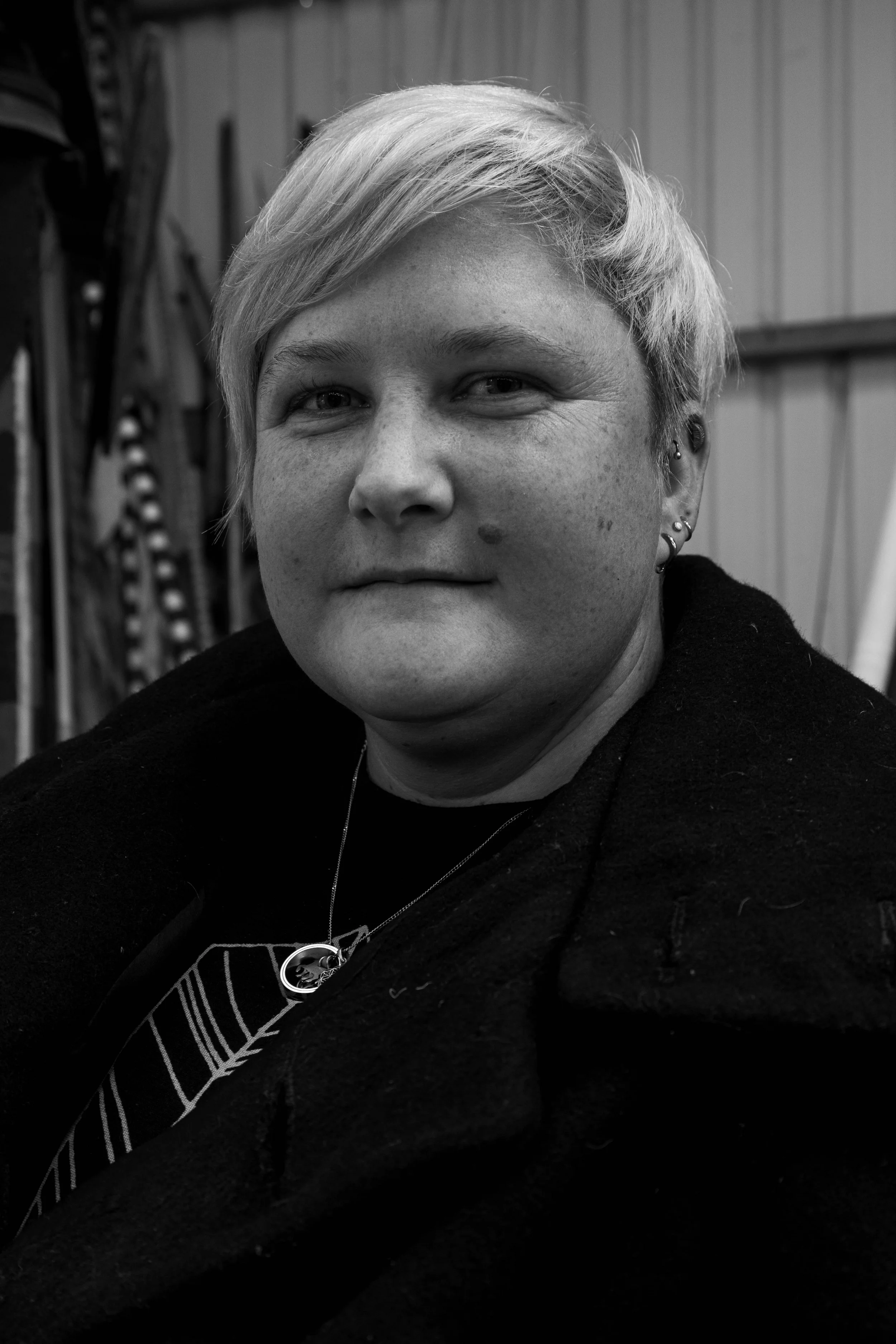
Kat Mackay
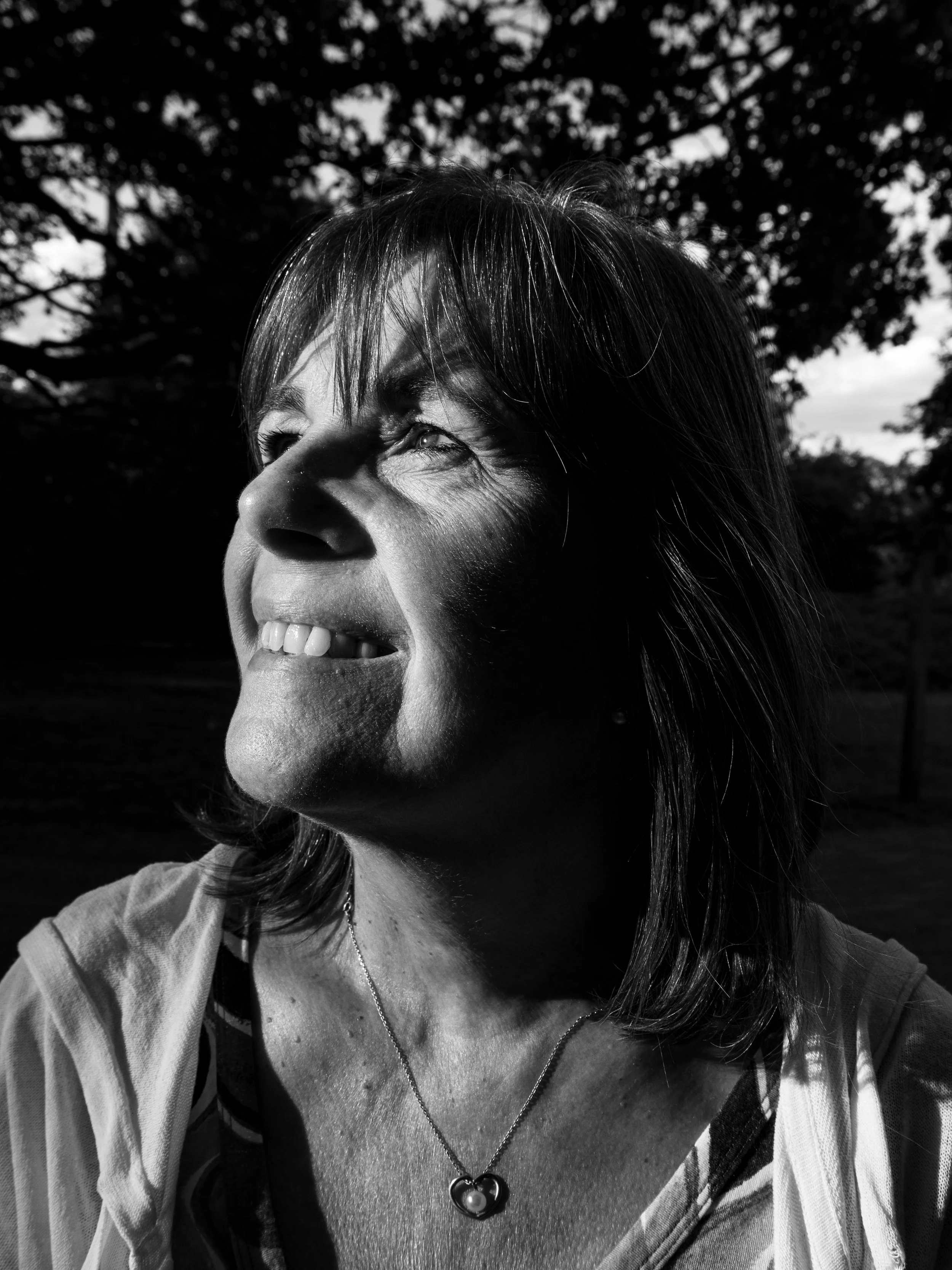
Patricia Wennell
-
Trauma is something society often avoids. Survivors disrupt that avoidance by telling the truth: safety and justice were not guaranteed for us.
Victorious Voices exists to change what happens next. Through photography and testimony, we make survivor experience visible on survivor terms: dignity, consent, and control.
We challenge silence and stigma, not to be pitied, but to be heard. By standing together, we expand empathy, confront denial, and create space for truth, healing, and connection.
If you’re a CSA survivor, know this:
You are not broken.
You are not alone.
You are not invisible.
-
Victorious Voices is open to adult survivors of childhood sexual abuse. If you’d like to be photographed and share a short reflection on healing, you can apply to take part. Participation is survivor-led: you choose what you share, how you’re described, and what stays private.
-
Victorious Voices partners with galleries, universities, community spaces, and cultural institutions to bring survivor-led portraiture into public view and expand the conversation around childhood sexual abuse. Hosting can range from a short pop-up to a full exhibition, with talks, panels, or private viewings available where appropriate. We provide a clear installation guide and work with you on safeguarding, messaging, and audience care.
-
Victorious Voices has already shifted conversations in public and institutional spaces.
In October 2024, the exhibition at the University of Glasgow’s Advanced Research Centre sparked controversy when survivor work was moved from a primary public location, prompting public challenge and wider debate about visibility, discomfort, and institutional responses to CSA.
The project has also entered the research record through partnership with Birkbeck’s Wellcome Trust–funded Recovery Histories (2024–2028), supporting survivor-informed research into recovery from CSA.
Alongside this, Victorious Voices is helping build the case for survivor-led resourcing, including the emerging Survivor Fund, so survivors are backed materially, not just symbolically.
-
Our aim is not to unearth every detail of the past, but to name what trauma can leave behind: emotional and physical overwhelm, disconnection, and survival strategies that once helped but later harm.
Often, it’s not only what happened, but the aftermath, the shame, the silence, the years of self-blame, that shapes a life. Many survivors come to believe it was their fault. Healing begins with a clear truth: you were not to blame. No one deserves what happened to them.
-
Trauma can create a silent prison in the mind and body. The longer the silence continues, the heavier it can feel. Naming what happened, when you are ready, is a powerful act.
It breaks isolation and can open a door to healing. Triggers, flashbacks, and overwhelming emotions don’t just disrupt daily life; they can disconnect us from others.
Many survivors cope by avoiding reminders of the trauma, but avoidance can deepen isolation over time. Secrets and buried feelings drain energy, blunt motivation, and erode a sense of self. Healing begins with truth, even if that is only to yourself.
-
Trauma can’t be undone, and there isn’t a simple “cure” that erases what happened. But the imprint it leaves on the body and mind can change.
Healing is about reclaiming your life and rebuilding safety in yourself, one step at a time. It can look like recognising triggers, grounding in the present, and gradually reconnecting with power, purpose, and possibility.
This work is hard. But it is possible, and no one should have to do it alone. -
Healing requires not just strength, but compassion, especially for yourself. Many CSA survivors spend years judging their coping mechanisms or feeling ashamed of how they survived. But survival is never something to be ashamed of.
Mindful self-leadership is the practice of noticing thoughts and emotions with curiosity rather than judgment. It isn’t about fixing yourself; it’s about leading yourself forward with clarity and care.
Over time, this can mean choosing responses that support your wellbeing, protect your boundaries, and align with your truth.
Healing often begins when we stop fighting our story and start walking alongside it with kindness.
Get in touch.
Survivor wanting to take part? Interested in hosting an exhibition or partnering with Victorious Voices? Get in touch. All messages are treated with respect and confidentiality, and participation is always survivor-led.