-
Photography began as a way for me to make sense of the world. I started by walking with a camera and paying attention to whatever made me pause: a person in the right light, a street I thought I knew, or a place that seemed to carry traces of another time. Over time, making photographs became a way to understand my own responses to those moments and to share them with others.
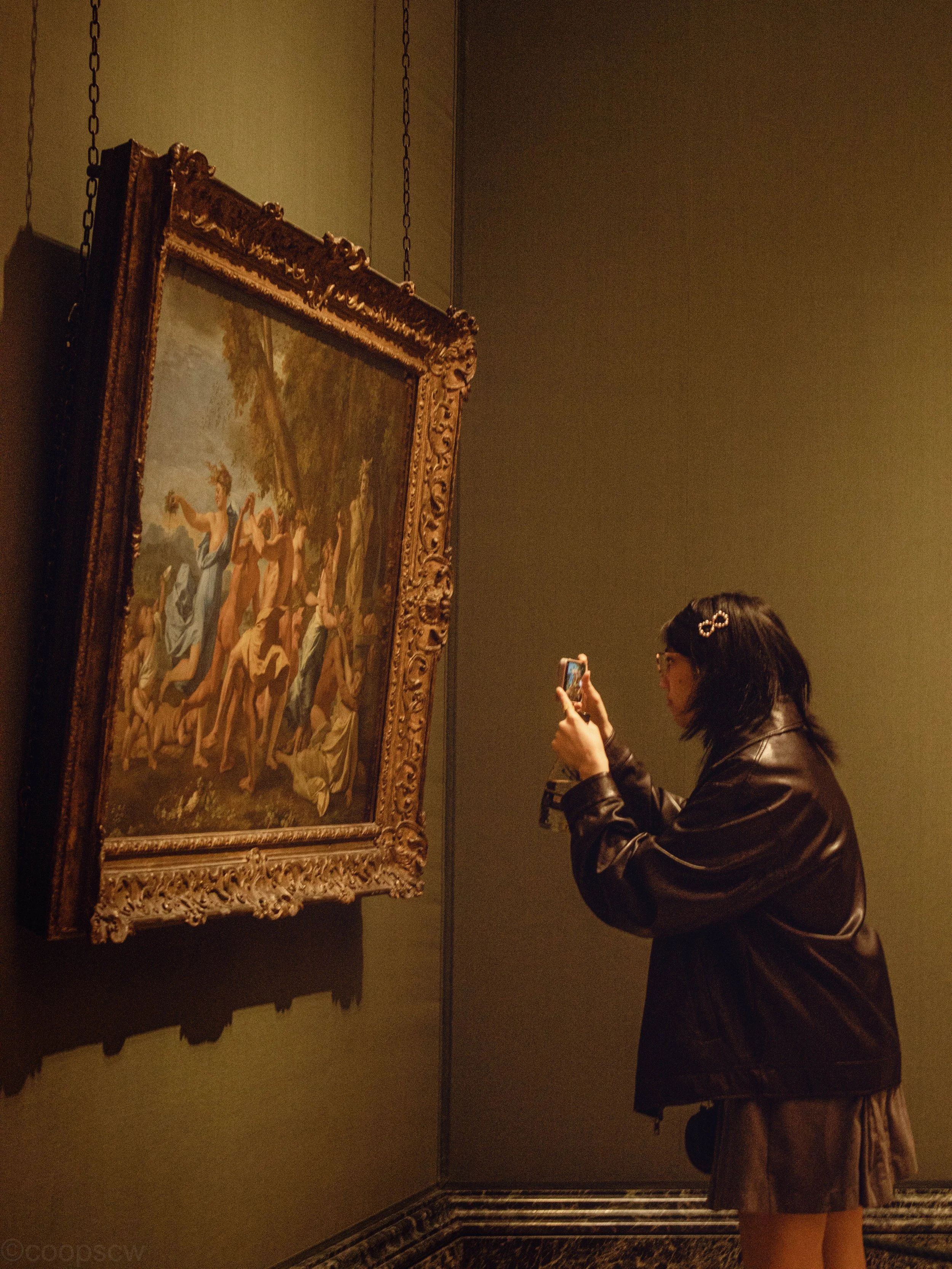
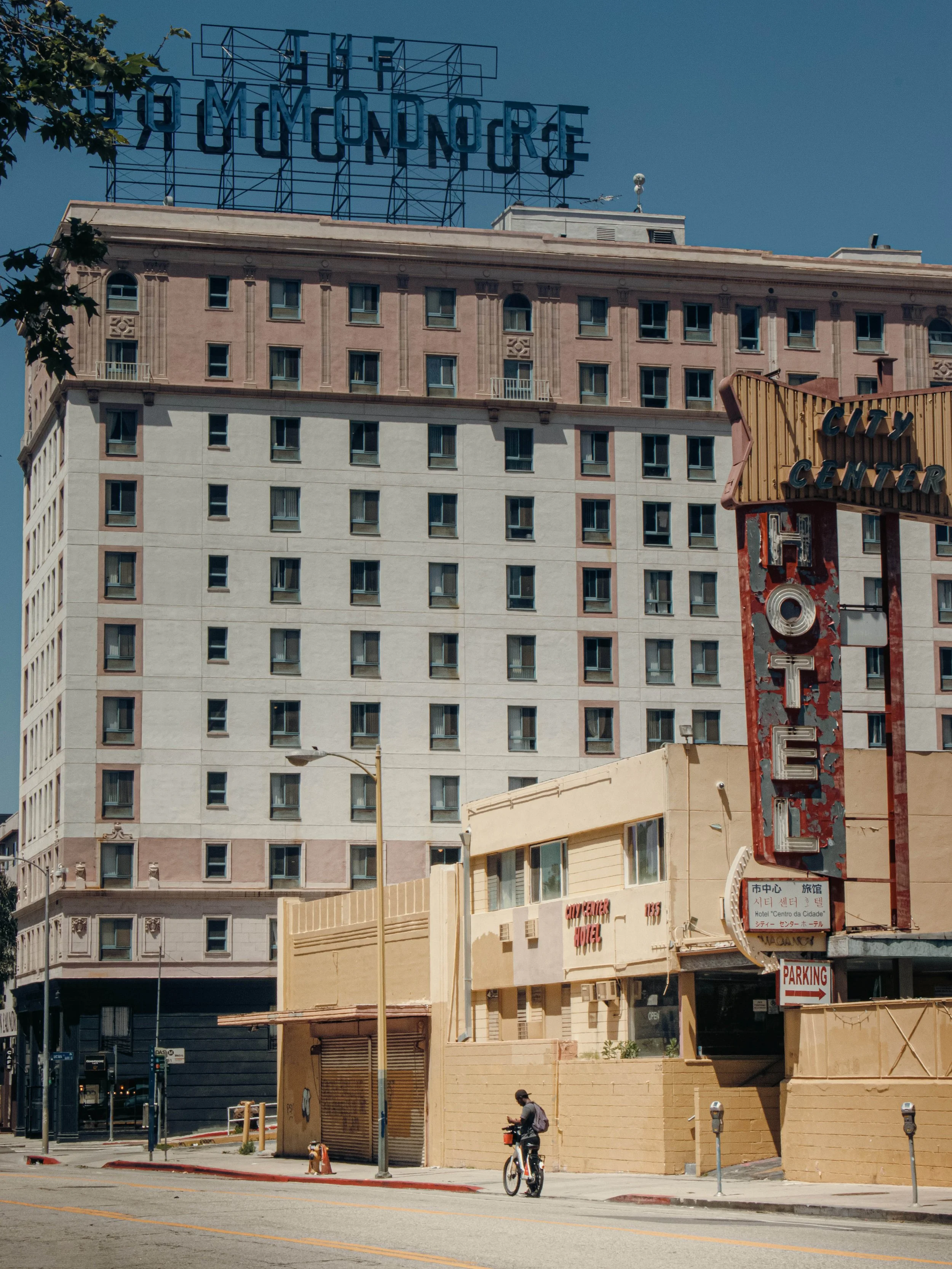
My personal projects move between street photography, portraiture and longer documentary work. Some have grown from travelling across Britain and America; others have come from returning to familiar parts of Manchester and seeing them differently. I’m interested in how people inhabit their surroundings, how places change, and how memory can affect what we notice. A photograph can show what was in front of me while leaving room for someone else to bring their own experience to it.
Not every project starts with a clear subject or an end point. Sometimes I follow a particular place or idea over months. Sometimes a group of images begins to make sense only when I bring them together. That freedom matters to me. It gives me space to experiment with how I photograph, edit and sequence my work, and to discover connections I hadn’t expected.
These projects are a record of where I’ve been and what has caught my attention along the way. They reflect my curiosity about everyday life, from busy streets and chance encounters to the quieter details that are easy to miss. More than anything, they keep me looking.
-
My work draws on photographers and artists who find something revealing in familiar places. I’m interested in images that describe what was there clearly, while leaving room for a mood or question that is harder to put into words.
Martin Parr has been an important influence on how I look at public life. His photographs pay attention to colour, class, humour and the details people might pass over. They remind me that an ordinary scene can tell us a great deal about the time and place in which it was made. Stephen Shore’s work has taught me something different but equally useful: to slow down and consider how light, framing and small details can give a street, a room or a roadside stop its own presence.
I’m also drawn to Edward Hopper’s ability to make everyday settings feel suspended in time. His figures and interiors often suggest a life beyond the edge of the frame. That sense of an untold story has influenced the way I photograph places, particularly when I’m working with stillness, distance or solitude.
The Surrealists have encouraged me to experiment beyond straightforward description. Man Ray, Salvador Dalí and Max Ernst each found ways to disturb the familiar and give shape to dreams, memory and the unconscious. Their work has helped me think about how an image might express an internal experience without illustrating it literally.
These influences meet in my own practice, but they don’t point me towards a single style. They encourage me to stay observant, to trust an unexpected detail and to keep exploring what a photograph can hold beyond the moment it records.


“Create like your life depends on it, because, of course, of course, it does!”
— Nick Cave