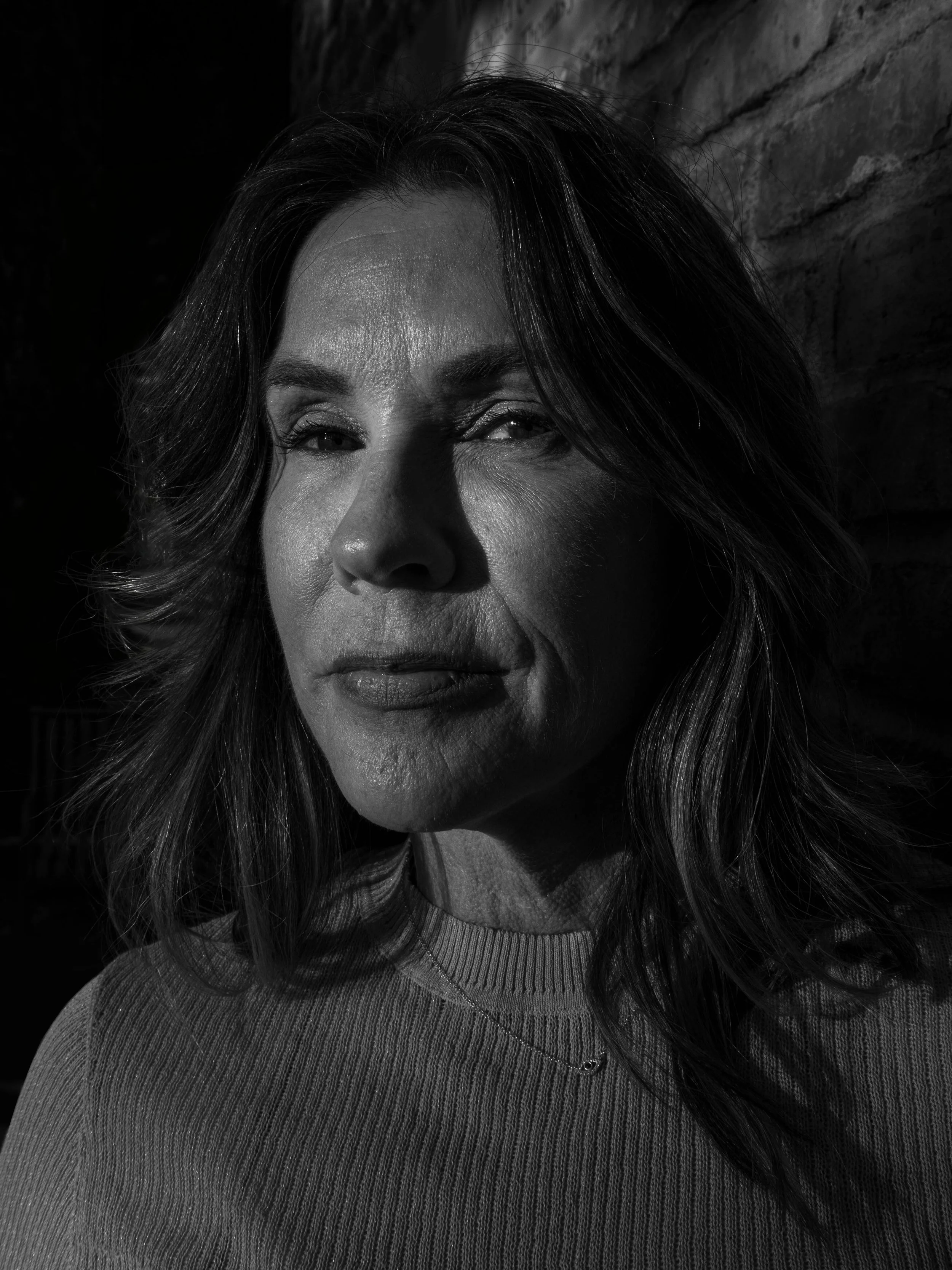
My name is Colleen Mullowney.
I was born in Long Beach, California, USA. I decided to take part in Victorious Voices because I want to raise awareness to sibling sexual trauma and abuse (SSTA). Millions of children experience sexual abuse, yet education and prevention efforts do not reflect the scale of the problem. The effects of childhood sexual abuse (CSA) can persist well into adulthood, affecting millions of people around the world. CSA is preventable, and it is time that we prioritised children’s safety and wellbeing.
My journey with Sibling Sexual Trauma/Abuse started before I was born. I believe that one of the driving forces behind the SSTA in my home was the existence of generational trauma in my family system. My parents’ inability to meet the emotional needs of their children, coupled with their age, their own unmet emotional needs, and historical family trauma, left my brother and me in a home that lacked healthy boundaries, consistency, or proper supervision. When I was nine, my brother started to abuse me sexually, and for 6 years, I did what I was asked to do for fear of losing the only person in my life that I felt I could rely on.
For years, I lived in fear and shame, hiding the trauma of my childhood. Besieged by a lifetime of dysfunctional coping mechanisms, I found I could no longer manage my life,and finally sought help. I was 30 years old when I finally disclosed. I was very lucky to fall into a community of people who were all finding their way in life. There was a lot of love and support that first year. When I returned home, the confidence I felt made it easier to tell my family and friends. I knew I wasn’t going back to the silence and secrets that harbour shame.
My first real attempt at therapy was actually a 12-step group — Codependents Anonymous, which I started attending because my mother went. The group itself wasn’t what healed me; what mattered was the commitment I made to show up for myself every week. That habit stuck with me. Since then, individual therapy, education, and yoga have been the steadiest anchors in my life. I still slip back into negative coping strategies sometimes, but knowing those three things are my strongest tools gives me something to reach for when I feel overwhelmed or hopeless.
Learning about neurobiology and the brain’s capacity to rewire itself has helped me rewrite old, negative stories I've been carrying. More recently, I’ve been learning about Complex PTSD — how its symptoms show up in my life and how to manage them. But more than any single resource, healing has come from reminding myself that my whole life has been one long trauma response, and that growth is a lifelong journey.
There’s no shame in that.