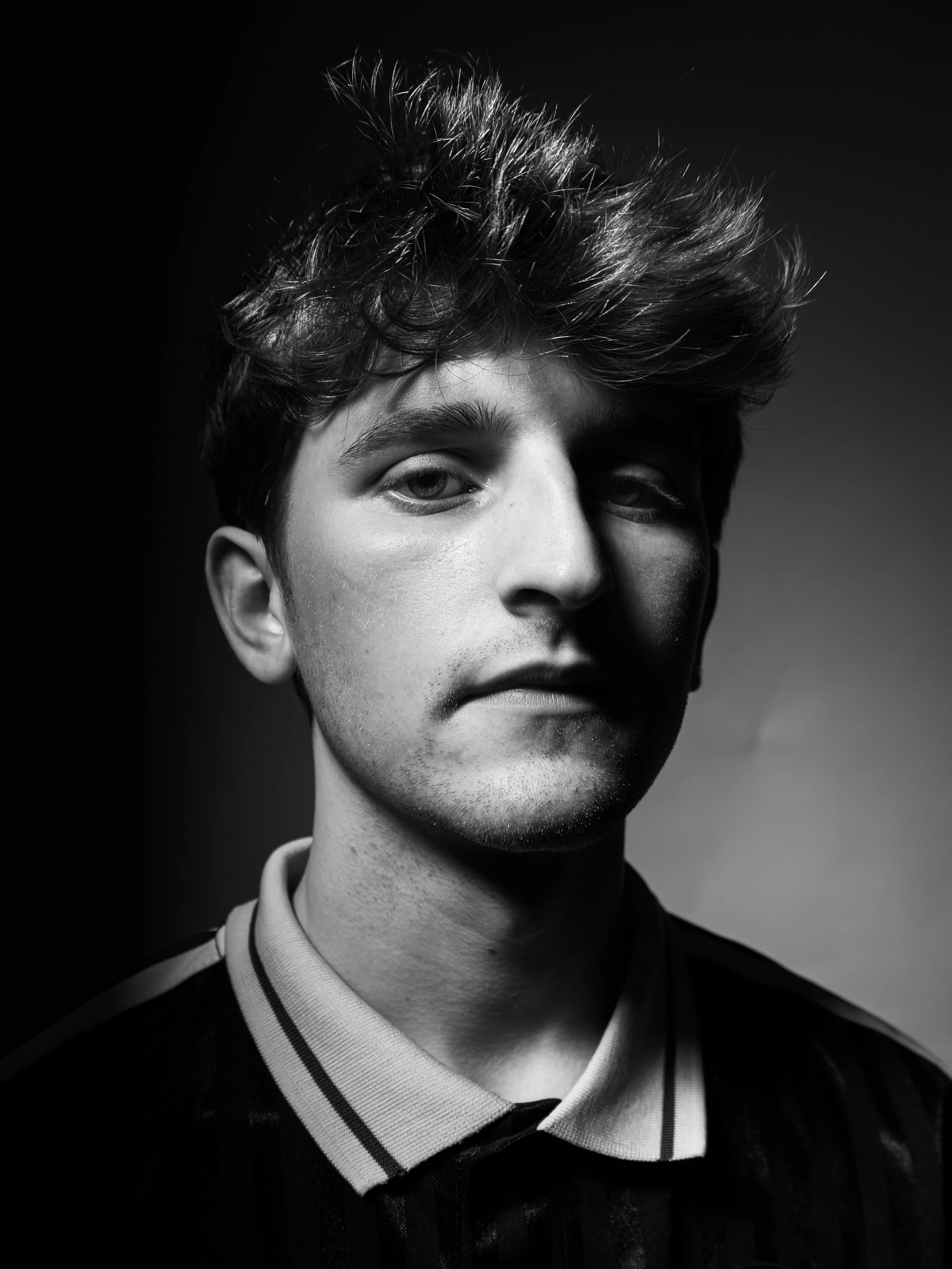
My name is rOB king.
I am from Oldham and now live in Manchester, UK. I decided to share my story and take part in Victorious Voices because I feel that my experience could be used positively to benefit others, while also helping me change how I view it. Victorious Voices gives survivors the chance to reclaim parts of themselves that are often stolen by child sexual abuse, while providing a way for others to connect with and understand survivors’ experiences, I take pride in being part of that, and it provides a way of using what I endured to create a positive impact
I am most passionate about ensuring that survivors feel able to discuss what happened to them in whatever way feels comfortable. That begins with listening to them when they speak out and ensuring that responses to abuse prioritise justice and support over sensationalist headlines, blame, stigmatisation and tokenistic inclusion.
I was sexually abused by a family member from a very young age. When I was 15, I disclosed the abuse to a close friend. They told a member of staff at my school, which led to police involvement and to my eventual removal from the family home and placement into care. The first time I shared my abuse was with a close friend. The catalyst for this was a desperate need for change in my situation, as the effects of the abuse were taking a severe toll on my mental health and I felt as though there was no way for me to access the support that I needed, so I turned to the safest person available to me.
The most important step towards healing for me was to accept that I cannot change what happened to me nor the effects it has had on me. What I can change, as simple as it may sound, is how I respond to it. For me, this means having a mindset that enables me to give myself what I need and to find ways to be vulnerable with those around me despite the immense difficulty this presents for me. Of course, these things remain works in progress. However, understanding what works for me allows me to build the life I deserved the chance to have as a child.
My support network has had a massive impact on my healing journey. My partner has always listened to me, supported me and helped me move forward. My friends have done the same when I have needed them Therapy—and my therapist in particular—was incredibly beneficial. Having someone take the time to understand and support me in such a focused and effective way was transformative Psychotherapy was particularly valuable. I had found very little success with other approaches and struggled for a long time before receiving it. For me, many other approaches felt surface-level and reactive, whereas psychotherapy was more introspective and helped me understand who I am and how to move forward.
Moving out of my family home helped me begin to reclaim my sense of identity. Entering adulthood gave me greater agency and allowed me to act on my own judgement. Although the transition was difficult at times, meeting new people helped me understand how I communicate and learn, while also allowing me to discover my interests. This helped me understand who I am and make decisions in my own best interests.
Socialising, playing guitar, and exercising are all important self-care practices for me. I know that these activities can support wellbeing, but I have also found that dedicating myself to positive experiences is deeply rewarding, especially when there were very few things that seemed worth doing. Meeting my partner and entering foster care were both big turning points for me.
I was unable to access support for over ten years because I lived in fear of destroying my family and being harmed. I was also living with complex post-traumatic stress disorder (C-PTSD) and several co-occurring conditions. My quality of life deteriorated drastically: I attempted suicide, developed anorexia nervosa and disengaged from education. Recovering from these experiences meant spending a great deal of time a lot of time finding the energy to do more than just exist, and it did not feel possible at all until I met the right people, who made tomorrow feel possible.
Quite frankly, I do not forgive my abuser, but this does not mean that I hate them or wish them ill. This was not always the case. Forgiving myself meant understanding that, even when I was not consciously blaming myself, I was punishing myself to regain a sense of control and express the emotions that had been forced upon me.
Healing from abuse is different for everyone, but finding people who have had a positive impact on my life has been instrumental to my own healing.