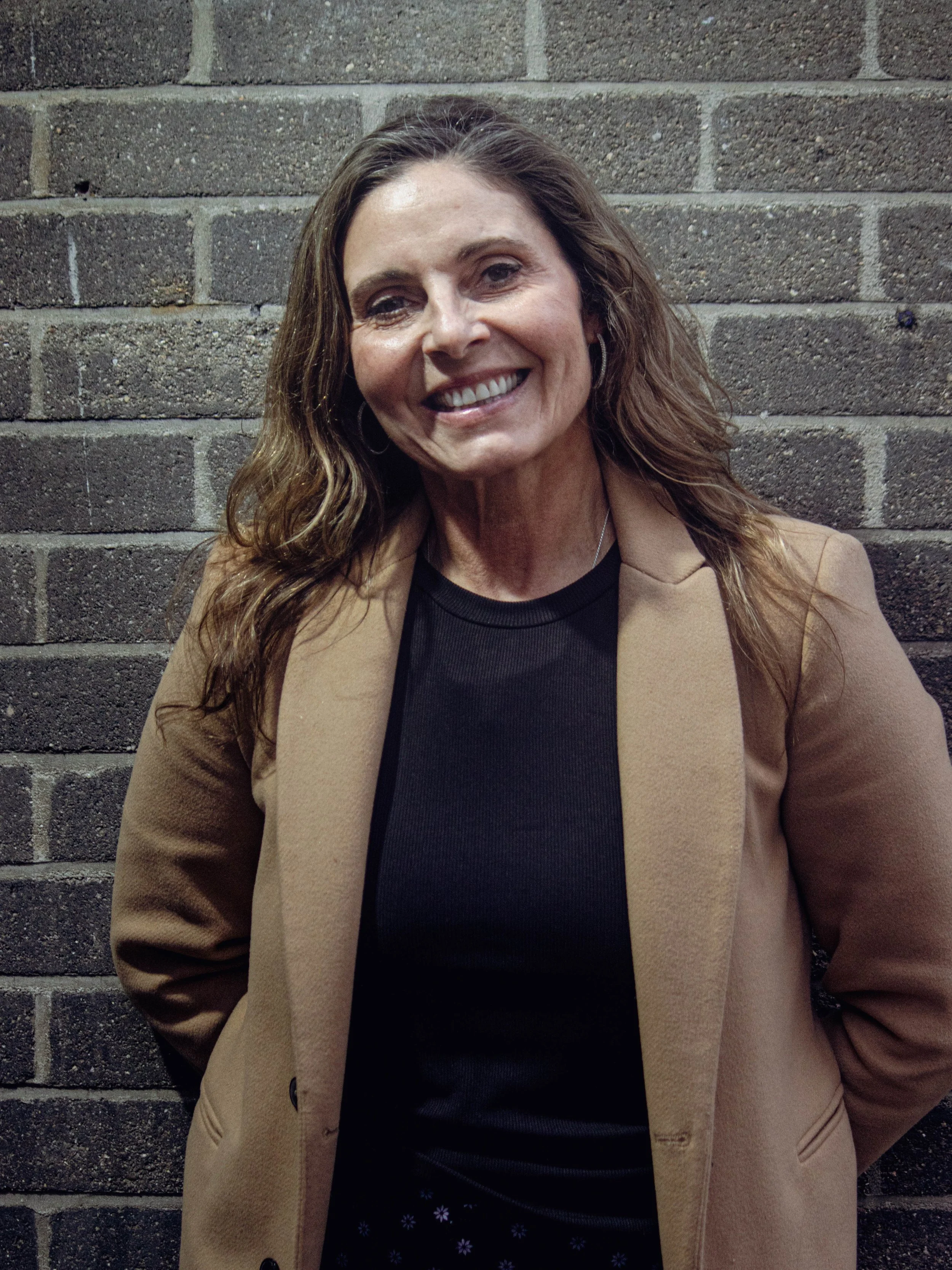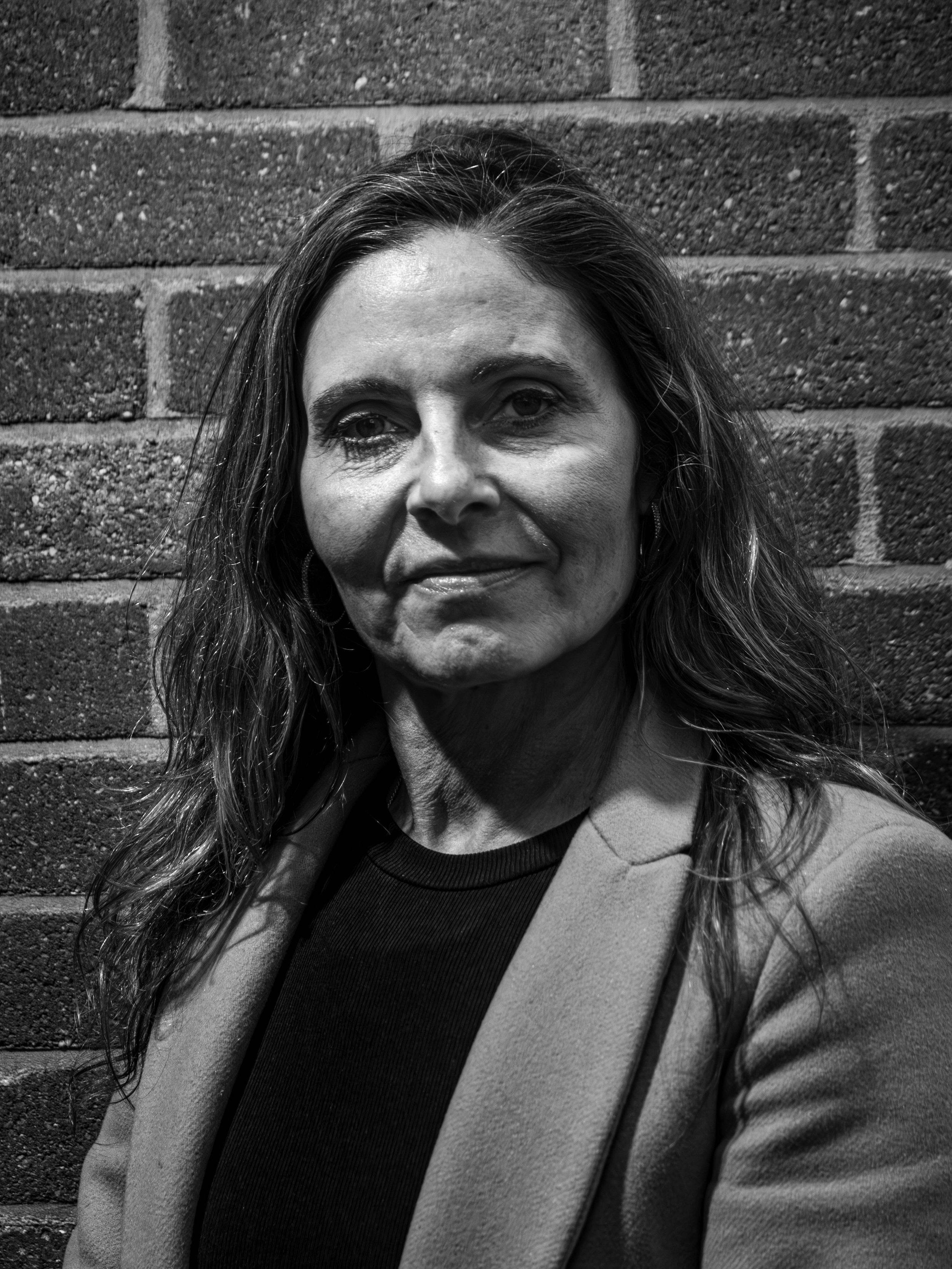
My name is Emma- Jane Taylor.
I am from Oxfordshire, UK. I decided to take part in Victorious Voices because I want to give hope and offer support to anyone who feels alone after experiencing childhood sexual abuse (CSA). Every voice matters. No child should ever be hurt in this way.
I was nine when I was first abused by someone known to my family. After my father abandoned me when I was 11 or 12, a family friend groomed and abused me for the next four years. My childhood was stolen from me.
I realised that I needed to share my story while working as the presenter of The Wellbeing Show on That’s TV. I listened to other people’s stories and began to feel like a fraud. One day, I knew what I needed to do: I wrote and published my book, Don’t Hold Back, and then spoke out. And here I am.
My initial steps towards healing began when I entered therapy at 23. I continued for around ten years. I tried an A–Z of therapies, but it was hypnotherapy, many years into my search for answers, that gave me the greatest hope.
My greatest source of support has been my family and friends. I could not have done this without them. Each of them has played an important part in my journey. It has been hard for them, but together we have found a way forward.
Reclaiming my sense of identity and agency has been difficult. I worked hard in therapy for nearly 20 years before I felt safe and strong enough to speak out and help others. Throughout this difficult journey, I have also developed self-care practices: I go to the gym every weekday. At weekends, I swim, garden or walk. For me, wellbeing is about sanity, not vanity and it has been key to my healing.
A significant turning point in my recovery came when I reconnected with people, including friends from secondary school. That was empowering for me. They remembered things that I could not—it was difficult to hear, but it was an important part of understanding how I reached this point.
There have, of course, been setbacks on my journey. Some people I love have found these conversations difficult. I know that this is theirs to work through, and I hope they receive support too. But I cannot carry guilt on their behalf. It is already hard enough to face the effects of this horrific trauma.
I used to think forgiveness was important. I now realise that forgiveness is not part of my recovery, because raping a child is unforgivable. Instead, I focus on why I am here: to give hope to others and protect children. My experiences taught me how important that is. I believe the focus should be on survivors, not perpetrators.
I could not have achieved what I have without extensive therapy and support. I do not advise anyone to share their personal story publicly until they understand why they want to speak out, what the possible consequences may be and what support they have in place.
Speaking out must happen in your own time, in your own way and with the right support around you.