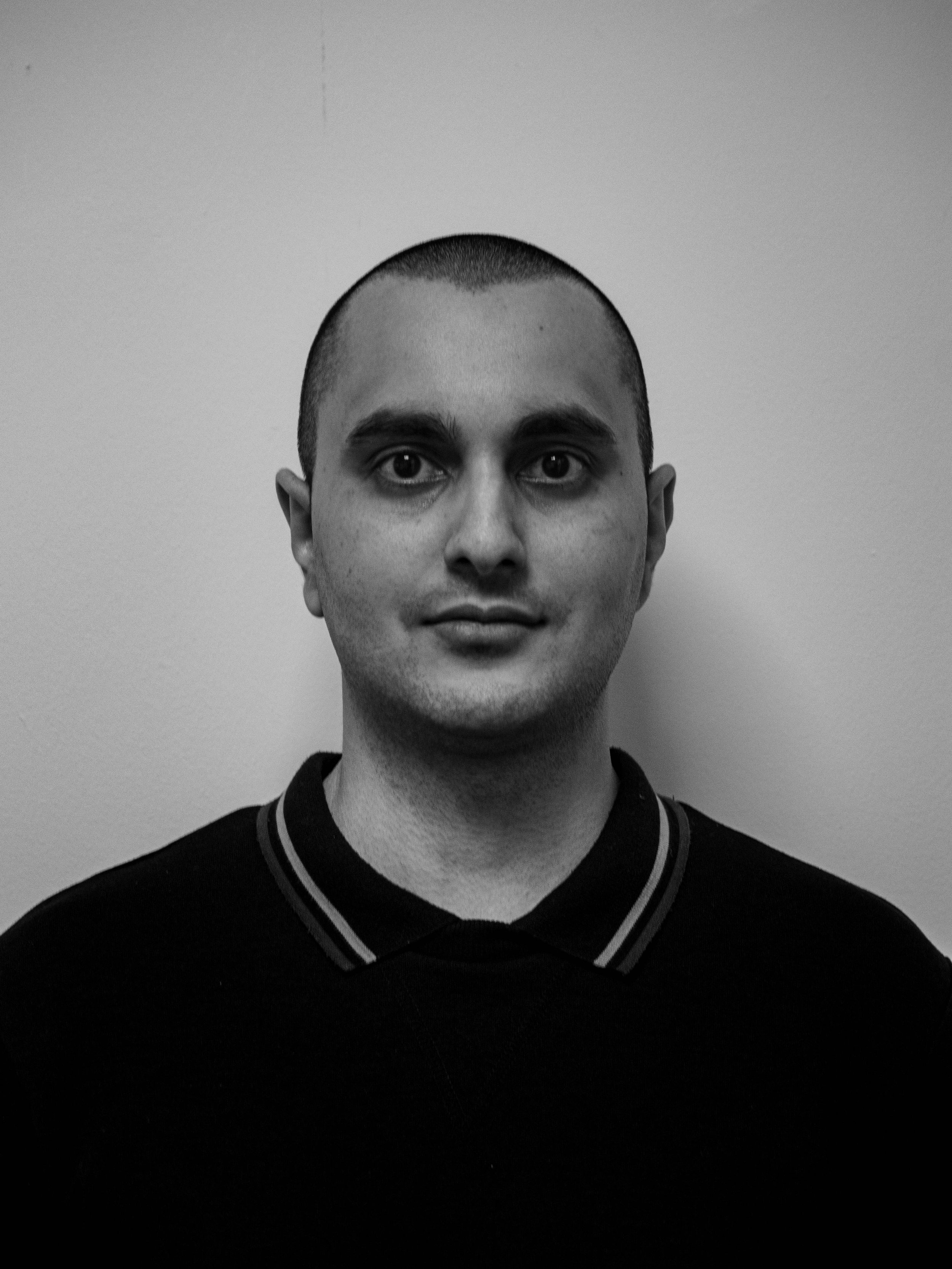
My name is
Shikesh Sorathia.
I was born and raised in London, but I escaped in October 2018 and have been in another part of the UK since then. I decided to take part in Victorious Voices because the journey I have been through has shown me how unjust the world is—no child should ever be abused and then failed by a system that promises to protect them. My present and future involve campaigning, raising awareness and working with others in the hope of reaching a point where no child is abused and then failed.
What matters most to me is helping the world understand that, if every child who has experienced childhood sexual abuse (CSA) is given a safe, loving and caring space in which to be heard, and can access the justice they deserve, survivors and allies together can achieve what once seemed impossible.
I was abused by a family friend at the ages of five and seven. I was also abused by male members of my own family. I do not believe the specific details are important; knowing that a child has been abused is horrific enough.
The breakthrough I experienced in therapy was the catalyst for sharing what had happened to me. I reported the abuse to the police before and after escaping. Sadly, my experience of the Metropolitan Police caused me further harm. I believe some of the resulting psychological injuries may be permanent, and I may never heal completely.
Anything that kept me distracted while allowing me to smile and laugh became a useful coping mechanism, whether that was writing poetry, producing music, playing games or speaking to people. The most helpful thing has been listening to other survivors, both online and in person. This has helped me feel heard and seen. I no longer feel alone, and I understand that I was not to blame.
For much of my life, I had no social life and remained isolated—not only because of my mental health, but also because domestic abuse had conditioned me to accept isolation. This allowed my perpetrators to continue exploiting me for their own selfish purposes. Because some of my abusers were relatives, my family did not provide support and instead made things worse.
The therapists I have worked with over the years have given me a safe space to open up without being afraid to say what I needed to say. The real change happened when I received therapy through Ben’s Place in 2022. I was ready to speak about things I had never told previous therapists. Every resource I have used and every form of therapy I have received has played a different role at different stages of my journey. I cannot choose one above another because what helps depends on what I need at a particular moment. Returning to the same resource or therapy at a different stage of recovery can also produce a different outcome or perspective.
The main way I have reclaimed my identity is by separating myself from the perpetrators and continually reminding myself that I am nothing like them. I remind myself who I am and that the way I have lived is vastly different from the way those who abused me have behaved. I did not realise it at first, but I have been incorporating self-care into my healing journey since 2016. That was when I became more spiritual and, without consciously trying, began putting my wellbeing first.
The biggest turning point came on 28 November 2011, when I called an ambulance because I had planned to end my life that day. I made the call because I wanted to understand why I had been abused for so long. The journey since then has answered questions I once thought would remain unanswered. In 2014, after completing The Prince’s Trust Team Programme, I wrote something that I did not fully understand at the time but do now: ‘I am not a victim; I am a witness, so it is my duty to give a testimony in order to eventually heal lives and stop abuse.’ I have learned that, for me, trying to forgive perpetrators who show no remorse can waste emotional energy and be retraumatising, particularly when the abuse continued afterwards. My understanding of self-forgiveness has continued to evolve.
However I may have coped, I was responding to inhumane experiences for which I was not responsible. I was simply being human and trying to protect my sanity. The right advice will differ for each survivor because everyone is at a different stage of their journey. However, I would like to offer some advice to those who may be disclosing for the first time. If you do not have relatives or friends you can trust, contact a trauma-informed organisation. If you do not feel safe or loved at home, ask for help to move somewhere safe. After disclosing or moving into your own home, give yourself time—whether days or weeks—to process the shock of finally telling someone.
Seek as much therapeutic support as feels helpful and manageable for you. When you feel ready to build a new life, take time to understand what you truly want. You are now the person in control. Recovery no longer has to be only about surviving; it can become about living and thriving.
