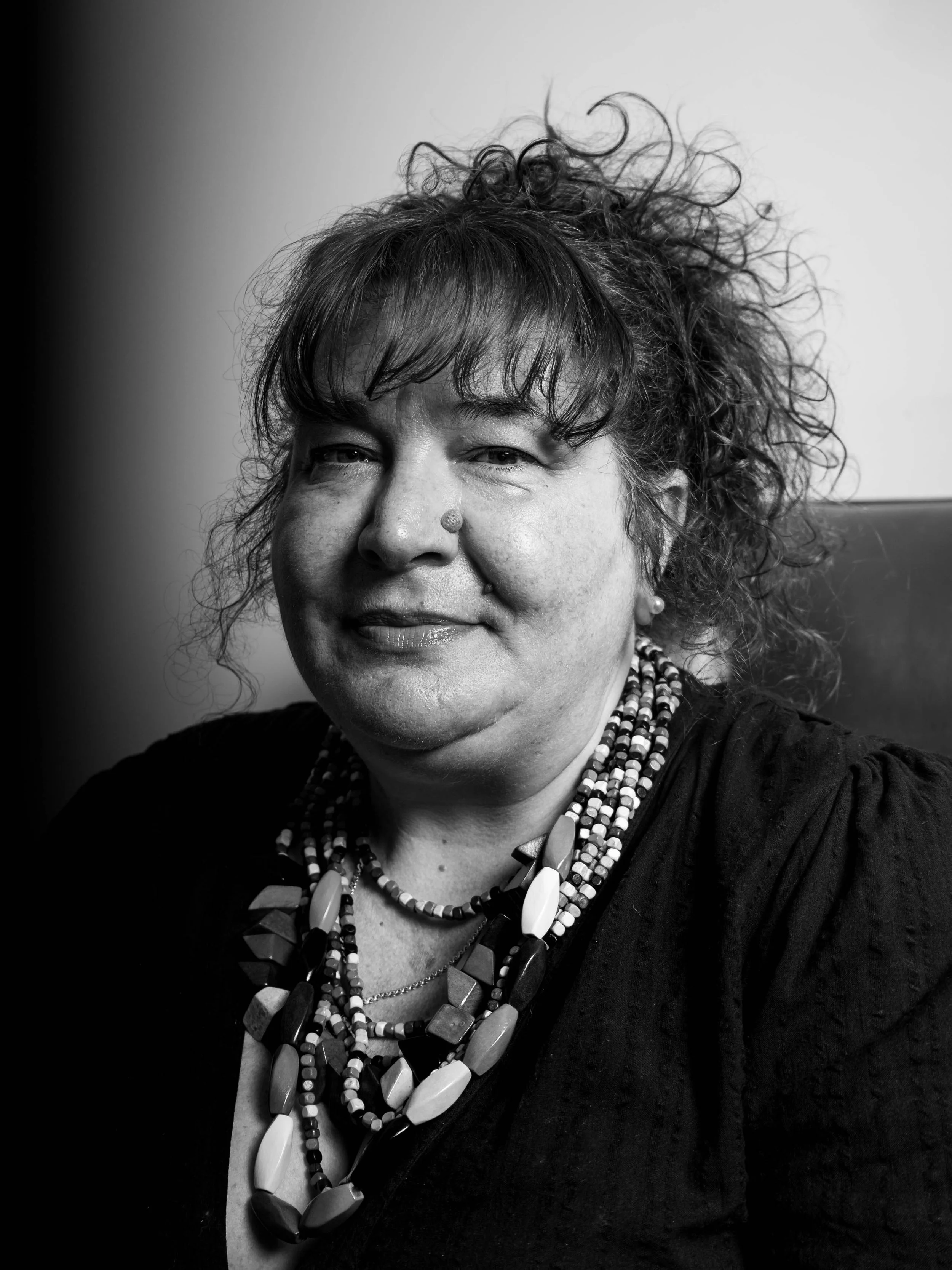
My name is Leyla Simsek
I’m from Dublin, Ireland.
Justice comes in many forms. For some, it may come through the criminal courts or civil proceedings. For others, justice may never arrive in the way society expects. Sometimes justice is denied altogether, leaving survivors suspended amid silence, waiting, grief and unanswered questions.
For many survivors, justice is not a conviction or a sentence. Justice can simply be surviving. It can be knowing you exist beyond what was done to you. It can be reclaiming your voice, your body, your identity, your peace, and your right to choose for yourself.
Sometimes justice is found in advocacy.
Sometimes in creativity.
Sometimes in art, poetry, music, movement, or dance.
Sometimes in quiet moments of healing no one else sees.
Sometimes in helping another survivor feel less alone.
For some survivors, justice may come when the person who harmed them dies and can no longer hurt another child, another person, another life. That truth may make society uncomfortable, but it is a reality many survivors quietly carry.
There are also survivors who enter the criminal justice system seeking answers, accountability or recognition, only to find themselves caught within a system that can feel cold, slow, disconnected and unfit to meet the needs of people carrying deep trauma.
Survivors wait through investigations. Wait through delays. Wait for updates. Wait while decisions about their lives are made in rooms, they are not part of. And during all of that waiting, life does not pause.
Many survivors are left navigating systems that can make them feel invisible within their own story. Systems where consent, autonomy, safeguarding, and dignity can feel conditional instead of protected.
Justice should never leave survivors feeling abandoned.
I hold close the voices that were never able to be heard: the voices that were taken away and the voices from the grave. I hold close the children and survivors who never had the opportunity to tell their stories, reclaim their truth or feel safe enough to exist fully as themselves.
I carry those silent voices with me into every room.
Into every conversation about justice, safeguarding, advocacy or survivors’ rights, I bring my six-year-old self with me alongside every other child and survivor who still feels unseen, unheard, or left behind.
Advocacy became healing for me.
Not because it erased pain, but because it transformed pain into purpose. I walk into spaces with curiosity, awareness, and an open heart. I observe. I listen. I see the survivors who speak loudly, and I see those who choose silence. Both deserve equal respect.
Choice is powerful when it is finally returned to us—or when we reclaim it for ourselves and no longer seek permission, approval or validation. So much of abuse is rooted in power being taken. Voices being silenced. Autonomy being stripped away. Other people making decisions about our bodies, our safety, our truth and our lives.
There is something deeply powerful in standing in your own choice after that.
Choosing to speak.
Choosing to remain silent.
Choosing to report.
Choosing not to report.
Choosing advocacy.
Choosing peace.
Choosing creativity, movement, therapy, connection, or distance.
Choosing to survive in whatever way feels safest and truest for you.
Standing firmly in those choices, without shame and without needing society’s approval, can become a form of justice in itself.
Because for many survivors, reclaiming autonomy is reclaiming power.
And sometimes that quiet reclaiming of self is one of the most profound forms of justice there is.
I have also learned that society often decides whose voices are amplified and whose are overlooked. Some survivors are offered platforms while others remain on the margins. There are power imbalances everywhere — within systems, media, advocacy spaces, and society itself.
But I believe there must be space for every survivor’s voice.
Not just the polished voices.
Not just the articulate voices.
Not just the voices that make people comfortable.
All voices.
The angry voices.
The grieving voices.
The uncertain voices.
The exhausted voices.
The silent voices.
Because healing does not look the same for everyone.
And neither does justice.