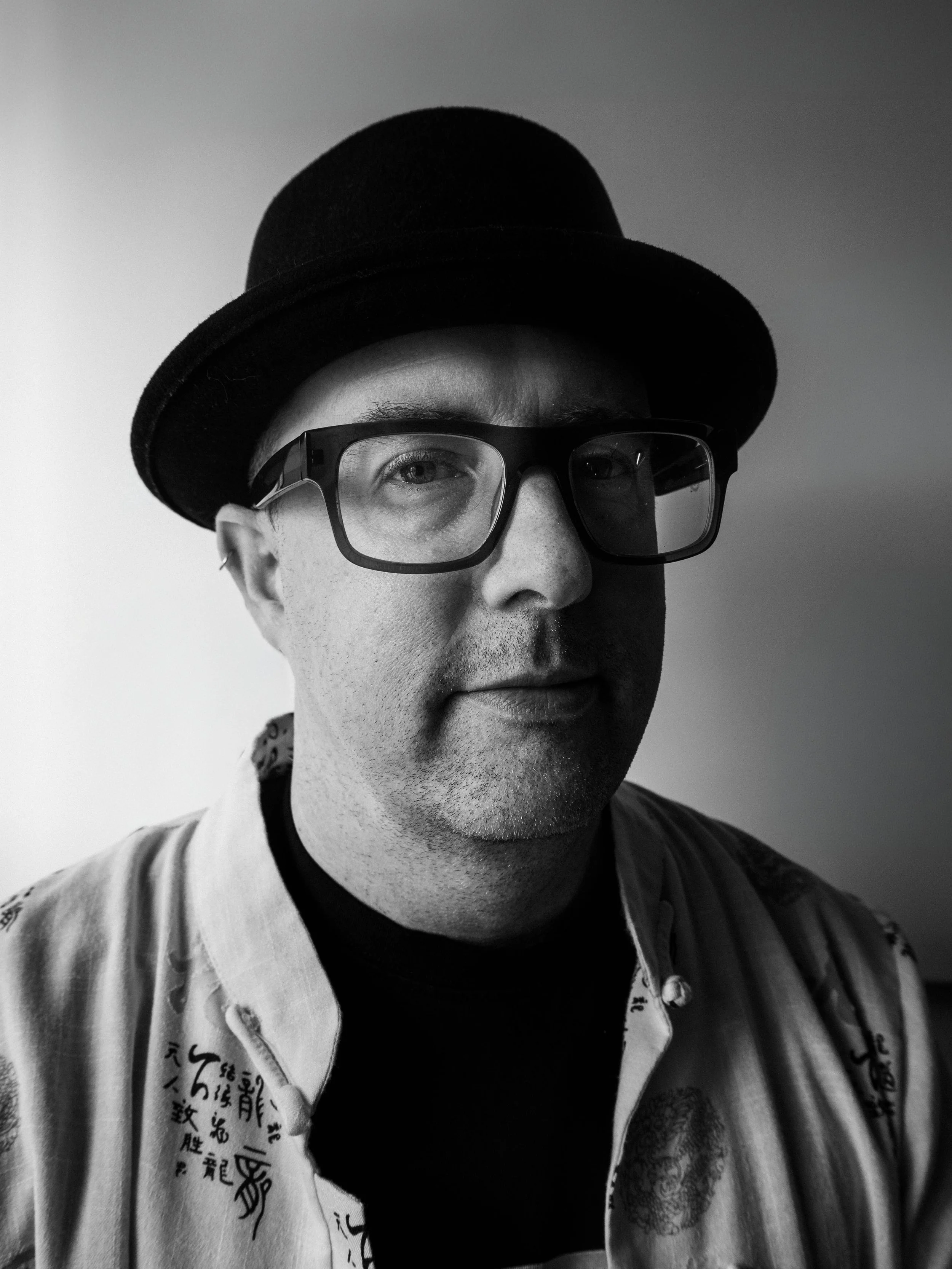
My name is Keith Williams.
I was born in Cambridge, but I have lived in Haverhill, Suffolk, UK all my life. I decided to take part in Victorious Voices because I believe that sharing what I experienced during the abuse, and after my disclosure, might help someone in a similar situation. If this gives even one person the courage to recognise that there is a light—however small—at the end of a very long tunnel, sharing my story will have been worthwhile.
I disclosed my abuse after watching a television programme about three male survivors who had spoken out and confronted their abuser. I want to help break the shame and the stigma associated with childhood sexual abuse (CSA) so that parents can communicate more openly with their children.
My abuser and I had always got on extremely well. So well, in fact, that I did not recognise how manipulative their behaviour towards me had been until after my disclosure. To the outside world we were extremely close. Behind closed doors, my abuser threatened me with an intense look of viciousness in their eyes which would stop me in my tracks to freeze as if I was being bullied at school. This happened regularly during ordinary activities, such as playing football or a board game together.
Only after my disclosure and therapy was I able to recognise that what they had done was wrong. They were extremely clever, as many abusers are. They manipulated me into situations I would never have entered willingly, using threats of violence and my fear of what would happen if I did not please them. They made me feel as though it was my conscious decision to be in those situations. Even after forty years—wow—I am finding these words incredibly difficult to write.
The abuse began when I was seven and continued intermittently until I was twelve. It escalated as I grew older. During the day, my abuser would tell me that it was ‘OK’ to go to their room that night, making the abuse sound like my choice. In reality, fear of the repercussions meant that I had no genuine choice.
The emotional and mental impact of the abuse really left its mark on my development as a child through to adulthood. I struggled with trusting people and was always hypervigilant in social situations because I always had to be on guard to keep myself safe. Disassociation became an ongoing battle in my day-to-day life, but my past also taught me a highly developed set of survival skills, enabling me to mask how much I was struggling and the lasting effects of the abuse.
Before I disclosed my abuse for the first time, I noticed that the flashbacks were becoming more consistent, and I was finding it increasingly difficult to ignore them or the ways in which they were affecting me. I’d come close a couple of times to disclosing to my wife but found it too difficult as I was always subconsciously questioning whether it was my fault.
One evening during lockdown, my family and I were having dinner. As I flicked through the television channels, I chose a documentary about three former footballers who had survived sexual abuse by their coach. One of the survivors said that he had initially called Childline. This stayed with me because I had always believed that Childline could be accessed only by children. Two nights later I was tidying up after dinner and my wife called out to tell me about a breaking-news article online about children being groomed online to abuse their siblings on video for paedophiles across the world. I walked back through to her and, for the first time, found my voice: ‘That was me.’ We hugged and cried, and a few days later I felt free for the first time.
After this, I had therapy over an extended period, and I learned to open up about my abuse to anyone who felt able to hear about it, which helped a great deal. For several months, I spoke once a week to a therapist provided by the charity Survivors In Transition, including for a period after the police investigation. Grounding became something that I used whenever I felt triggered and was struggling with dissociation. Breathing techniques also helped, and I still use them when I feel triggered.
My wife and family formed an amazing support network. Initially, I was also open with a small group of close friends, which allowed me to feel like myself rather than continuing to hide what had happened. I was very fortunate in how people responded when I disclosed, and I know that it’s not always the case for other survivors. My therapy was a positive experience, and I found it very effective. I participated in inner child therapy, and this was a big turning point for me. It was extremely difficult, but I found it beneficial, and it helped me take the first steps towards letting go of the shame.
I spent a long time questioning my identity. Much of the music, television and film I had enjoyed was influenced by my abuser. For a long time after my disclosure, I didn’t really know what I liked or disliked in everyday life and it played on my mind so much. Whilst I was at college studying art and design, I always had my own style of dress, and it was a time when I could be me a little more. I still had the weight of everything in the past with me too, but I was kind of rebelling against my abuser’s control to try to be my own person. After my disclosure, I began to reconnect with the person I had been during my college years, but without the same burden weighing on me every day.
My recovery remains an ongoing process, but I have learnt that even the smallest step forward is worthwhile. Talking with other survivors was a significant turning point in my journey. Another was inner child therapy. I was unsure what impact it would have, but I was amazed by how much it helped. I faced many challenges, ranging from flashbacks to meeting new people. Looking back, I now see these experiences as stepping stones towards where I am today.
I was a people pleaser for forty years and I still try to unpick how to navigate those same feelings now I will never forgive my abuser for what they took from me or for the consequences I was left to carry. I have found that examining how and why they manipulated my behaviour can lead me down a deep rabbit hole. Their manipulation was so subtle that I did not recognise it at the time. I have been able to lock away, in a small box in my mind, the people from my past who harmed me. They will always be there, suspended in the fabric of my past, but with every passing day and year, another strand of those experiences unravels and floats away.
To other survivors who are on their path to healing from abuse, I would say: take it one day at a time. Don’t rush and try to be open and honest with yourself about how you are feeling.