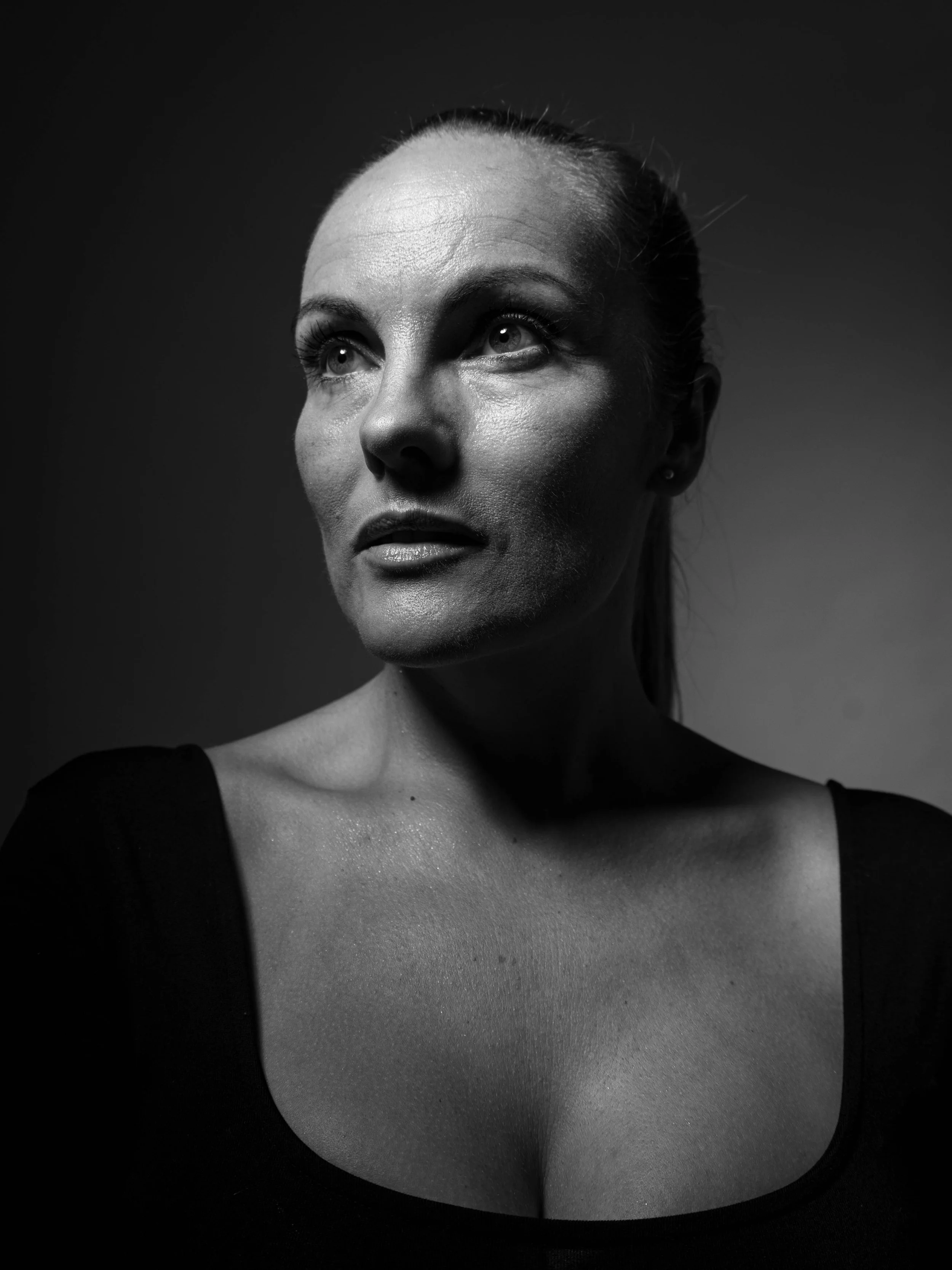
My name is Laura Frances.
I live in York, UK. I decided to take part in Victorious Voices after seeing an exhibition at the University of Huddersfield. Matriarchal abuse is rarely spoken about, particularly sexual abuse perpetrated by a mother. By using our voices, we can help others feel able to come forward when they are ready. This is what I am most passionate about: breaking the silence, amplifying survivors’ voices and raising awareness. Let’s end the violence and silence of children.
My sexual abuse came from my mother. My mother raped me. As a child, I did not understand that it was abuse. I thought, This must be what mummies do. When the person hurting you is also the person teaching you what love is, you have no other version of normal. My first sexual relationship hit me hard. It made me realise that what happened in childhood was not simply “what mummies did.” Later, an act towards a family member led me to speak to my sister. Then, before she died, my mother confessed.
Her confession confirmed that I had not imagined or misunderstood my experiences of abuse.
My first step towards healing admitting that what happened was mental, physical and sexual abuse. I had spent years minimising it and protecting everyone except myself. Healing began when I stopped questioning the child I had been and placed responsibility where it belonged. Writing the experience into a book, even if no one ever read it, was what I needed to do—I had no idea what it would do for me.
Humour became my shield, even when it was dark or inappropriate. I was not laughing because any of it was funny. I was laughing because it gave me a moment of relief when the alternative was falling apart. Sometimes humour was the only thing standing between me and the full weight of my abuse. Reflecting on my behaviours was empowering, and it brought huge revelations. It flipped the ‘why?’—turning shame into pride in my own journey.
Healing meant letting go of the negative and toxic, including family members I loved who knew and stayed silent. Walking away was not punishment. It was choosing the peace I deserved. The weight I shed was never mine to carry; it belonged to them.
When I finally admitted the truth, I had a huge nervous breakdown and was placed in intensive therapy. One technique involved role-play to challenge the power my mother held over me. I thought it was complete bullshit, but it became the best weapon I had. It did not erase the abuse, but it reversed the roles. Before she died, I was no longer the powerless child. I was the adult, and I was in control.
After decades, I have finally begun to like and accept who I am. I have built a different life and discovered my strength as a mother who will protect my children from the tremors I experienced. The helpful and harmful behaviours I developed to cope with the abuse also prepared me, without my realising it, to deal with my life today. I do not call myself a survivor. I am a success.
or me, a major form of self-care is not giving a shit what other people think—and that becomes easier with age. Celebrate yourself and the amazing things you have achieved, big and small. Your strength is phenomenal, even when you don’t feel it. That’s okay too.
Epilepsy made rest non-negotiable. I had to learn to listen to my body, protect my energy and say no without feeling guilty. Self-care became less about indulgence and more about knowing my limits. Set boundaries to protect yourself. Decide which behaviours still serve you and let go of those that continue to cause harm. That is tough, but it feels wonderful when you crack it.
Writing was the release that had always been missing. My memoir gave my experiences a voice. The PhD gave that voice purpose. For the first time, the story was no longer trapped inside me.
Denial made me numb. To feel something—anything—I took enormous risks. I did try to kill myself, but I was not trying to end my life; I was trying to end the numbness and shame. Some coping mechanisms saved me. Others nearly destroyed me.
I believe it is okay to choose not to forgive. Why should we give more of ourselves to those who harmed us? The unexpected freedom came from forgiving myself—the child who did not understand and the woman who did whatever she had to do to cope. Forgiveness is not another piece of yourself that you owe to people who did not give you what you needed. Society tells us that we should forgive but forgiving them is optional. Forgiving myself changed everything.
My advice to other survivors who are healing from abuse is to speak when you are ready, using the words that feel right to you. You do not owe anybody silence, forgiveness, or a comfortable version of the truth. What happened is part of your past. It does not own what comes next.
The future is yours—and you control it.
Everything above is important, but the poem below is how I would prefer to sum up my story
Red Ribbon
Laura Frances
A shiny soft ribbon trails bodies, worshipped, holy.
Hot blood-like influence drips ever so slowly.
Fabric travels, deliberately touching my skin,
The escalation of unclean shame fervours within.
It wraps and tightens around innocent lesser limbs,
Intense pressure forcing the shade of sins.
Parental trust exists, bound in a taut complicit bow,
A crimson-covered secret only we could know.
Silk-veiled faces witness what stays unsaid,
Milky blinded eyes turn softly from the red.
Material bleeds through our genetic vein,
Entwined with deception, silence and stain.
The soiled tie hides my white, unknowing baby teeth,
Matriarchal fire raging deep beneath.
Its binding edge is sharp; it cuts my naked wrist,
An aching mother-wound no tenderness could fix.
Satin masquerades as a conditional game,
Abuse of power that still has no name.
It feels so normal — natural — what mothers do,
Until the lie corrodes the love it once withdrew.
The ribbon passes down the female family line,
Precious milestones stolen from ever-moving time.
This birthright of broken is not my daughter’s gain,
She will never awaken to my lifetime pain.
So cut the red ribbon, shredded and free.
It ends with my body.
It does not pass from me.