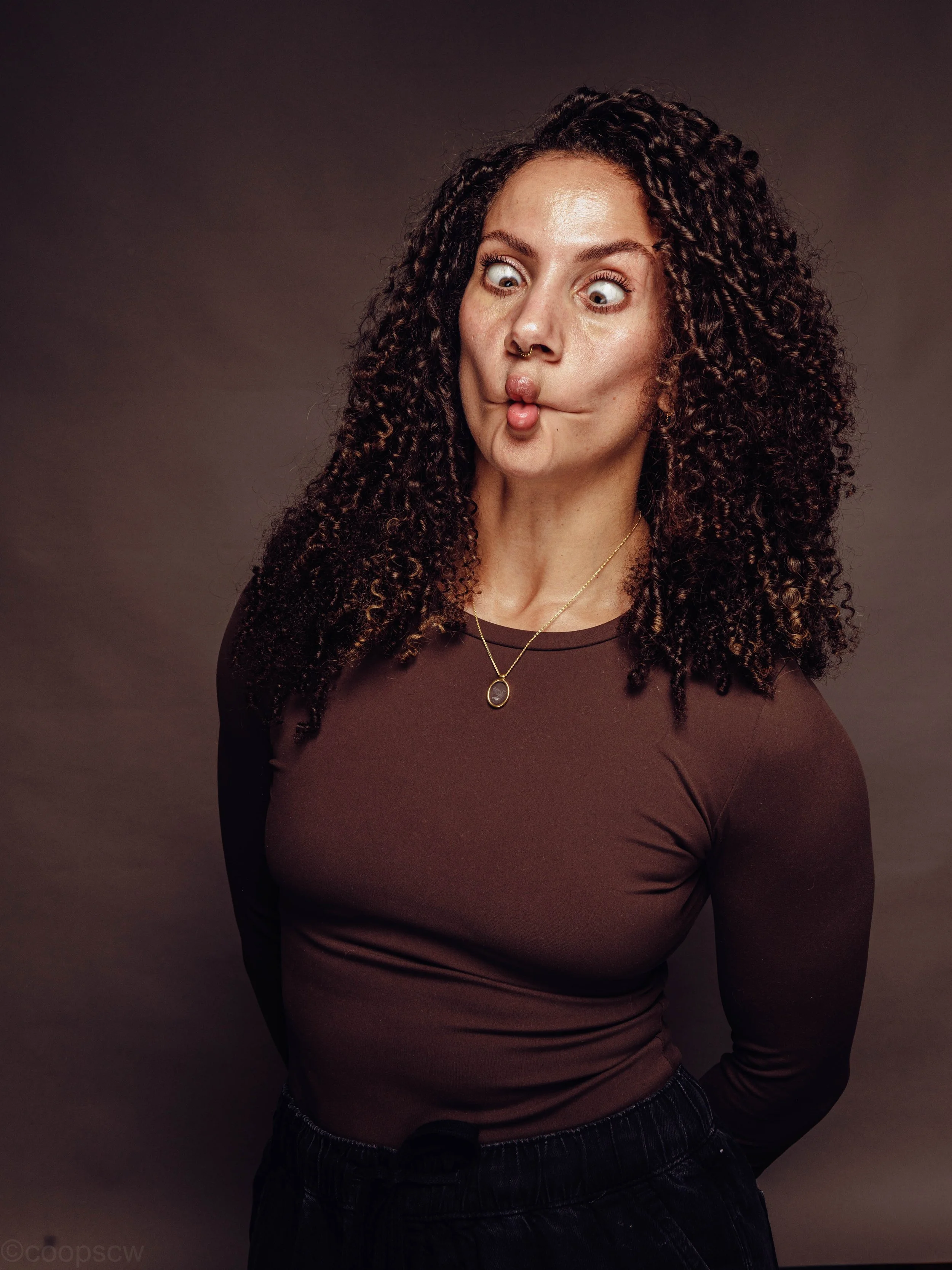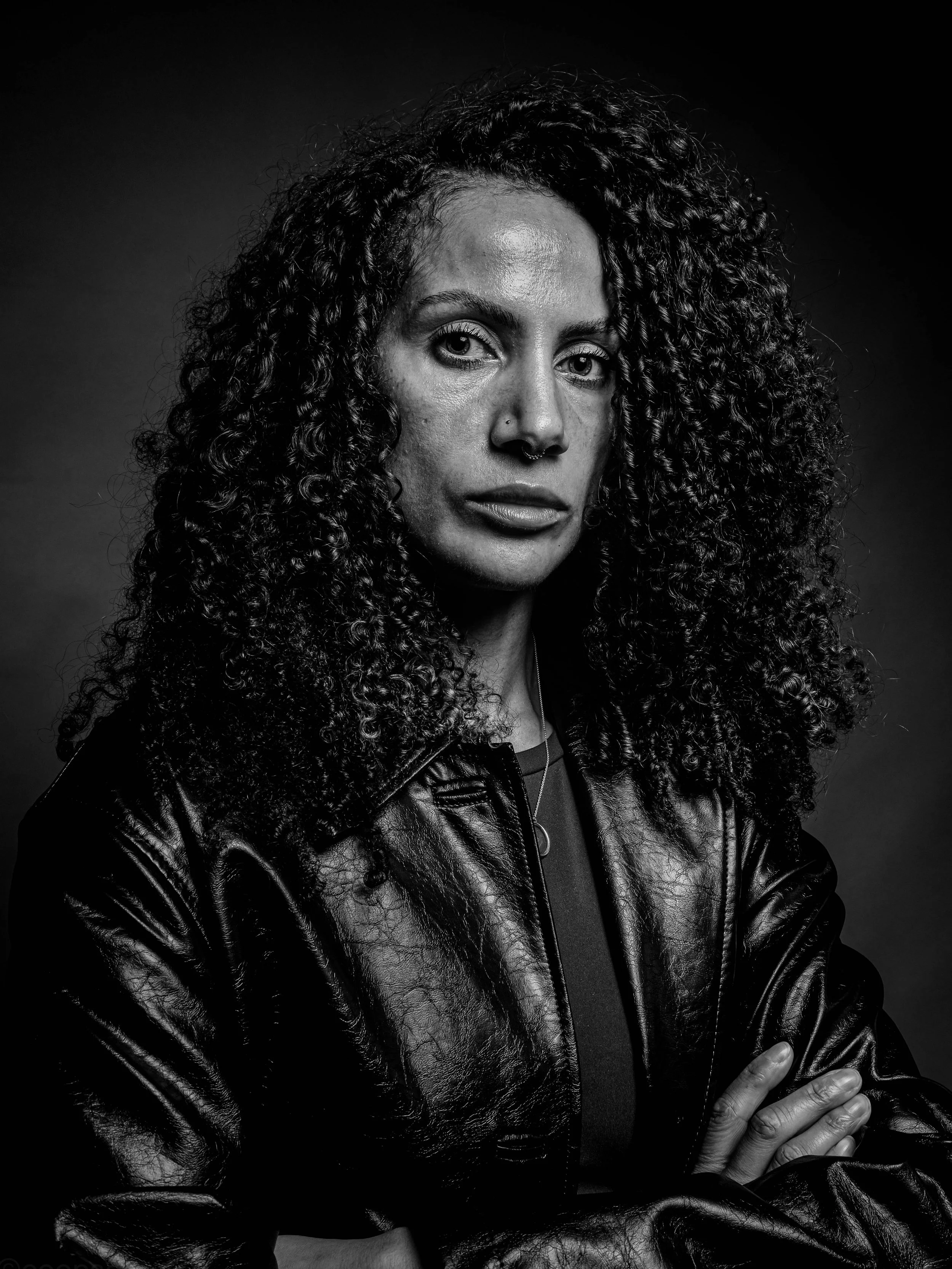
My name is Shereen simmonds.
I am originally from Manchester and now live in Runcorn, UK. I think it’s important to speak up about childhood sexual abuse (CSA) because there is a generational shame surrounding the subject that needs to change. I think Victorious Voices resonates with me and the changes I want to make to support survivors and protect children. I want to shine a light on the broken justice system. I want survivors who are planning to report to know the real expectations. I reported my abuser without knowing what to expect, and I think it’s important that people understand how fractured the system is.
I am most passionate about breaking the silence, helping to reduce the shame and guilt survivors carry, and challenging the awkwardness people feel when they learn that someone they know has experienced CSA. We live in a world where people speak more openly about sexuality, drug use and personal struggles, yet people still feel awkward discussing or hearing about CSA.
At the age of five, I remember saying that I would marry my uncle. I was so innocent that I thought you simply married the person you loved most. Around the age of eight or nine, we were taught about bodily autonomy. Subconsciously, I knew that something wasn’t right, so I hid in my room and begged my parents to say that I wasn’t home until he left. It’s funny because they never asked why.
At 13, I wrote poetry about my abuse and read it aloud to anyone who would listen, including adults. Still, no one asked how a 13-year-old could have imagined something so dark. So, I self-harmed, drank and took drugs to quieten the noise, failing at subjects in which I had once been expected to achieve. From the age of seven to 15, he was able to continue abusing me. At 27, I finally cut ties. We both knew what he had done, and from the age of 19, everyone else knew too. At 27, however, I decided that it was time to choose myself.
At 28, I reported my abuse to the police which in turn ended up being almost as triggering as the abuse. I reported in February 2020 and did an Achieving Best Evidence (ABE) video interview in June 2020. I was told on four separate occasions that he would be arrested, before he finally was in November 2020. I It took two years for charges to be brought in September 2022. The plea hearing took place in January 2023, and the trial was listed for February 2024. It was adjourned, and a new trial took place in September 2025.
The first time I intentionally shared my experience of abuse was at the age of 19. My emotions were out of control. I was arguing with my parents, smashing up my bedroom and barricading myself in my room. During one argument, my birth mother said that she couldn’t understand why I was the way I was. I shouted, ‘Because [name] abused me.’ Within minutes, I withdrew what I had said and blamed someone else in order to protect my abuser.
I’ve had counselling and eye movement desensitisation and reprocessing (EMDR), but the most helpful process for me has been talking to people outside professional settings. Being open and honest about what happened without the finer details has helped me a lot Because of the stigma, I was told that it had happened a long time ago and that I should forget about it. That made me realise that forgetting was not an option. Since creating Phoenix Five, sharing my story and receiving messages from people who say that my videos have helped them have become important parts of my recovery.
Cutting off my relationships with people who either didn’t believe me, chose to ignore what happened or wouldn’t support my truth was a positive strategy for me. Until then I was stuck in an angry, reactive and emotional mental state. If I compare who I am now with who I was when I first reported, the growth is undeniable. My sister, brother, friends and partner make me immortal. It’s funny to say that out loud because when I look at how broken I was, how self-destructive and wild I felt, that makes me feel immortal. I look back and often think about the depths of darkness I could have fallen into, but these little angel faces threw me a ladder, lit a match and made sure I saw a positive future. I can say with confidence that, if it weren’t for them, I wouldn’t be here today.
I have found therapists to be the least helpful part of my healing journey. In my opinion, Victorious Voices has helped me because it involves talking to people with lived experience who have a better understanding of why you feel and behave as you do. I believe they are the true healers. I reclaimed my identity by refusing to stay quiet. I stopped tiptoeing around the social awkwardness or discomfort people often feel when abuse is brought into the light. Reclaiming my identity meant owning my story out loud. That’s exactly why I launched Phoenix Five. I wanted my experience to be accessible so other survivors feel seen, heard, and validated. More than that, I wanted to turn my pain into prevention—giving children the voice and vocabulary I was denied, while ensuring that adults take responsibility for protecting them.
The most pivotal practice for me has been training in the gym. For a long time, my body didn’t feel like my own. Working out became my way of taking my power back, building physical strength, reconnecting with my physical self, and proving to myself how resilient I truly am. Alongside that, daily routines like skincare became essential grounding rituals. Taking that quiet time each morning and night to physically nurture myself taught me to treat my body with gentleness and respect. Beyond that, focusing on nutrition, creating a calm, safe environment at home, and pouring energy into things that bring me joy were all ways of rebuilding trust with myself day by day.
My biggest turning point came when I realised what was actually holding my recovery back. Years ago, when I first disclosed the abuse to my parents, they continued to allow my abuser into our home. For a long time, I lived with the terrifying belief that if I took action or spoke my truth, I would lose my family unit. The real shift happened when I accepted that staying attached to them meant delaying my own healing. I had to come to terms with the painful reality of mourning parents who were still living. Making the decision to cut contact was excruciating, but freeing myself from that environment was the very thing that finally placed me on the path to real recovery.
My biggest setback was dealing with the overwhelming grief and isolation that followed cutting contact with my family. Even though it was the right decision for my safety and healing, society often tells us that family is everything. Grieving living parents left a massive void, there were days when the loneliness felt unbearable. I overcame it by reframing what support looked like. I stopped expecting safety from people who couldn’t provide it and began intentionally building a strong chosen support system.
Beyond the emotional weight of healing, my biggest external challenge was navigating a broken justice system. I reported the abuse in February 2020, but it took over five harrowing years to finally reach court in September 2025. Along the way, I faced a trial adjournment in February 2024, leaving me trapped in legal limbo while having to constantly chase the police myself just to get basic updates.
The system offers very little guidance, although I received some help from an independent sexual violence adviser (ISVA)—a resource I discovered only because a friend mentioned it. While that support did help me navigate parts of the process, the sheer length and uncertainty of those five years were still deeply exhausting. I overcame it through pure persistence and anchoring myself in daily routines like gym training. Refusing to let systemic delays wear me down proved to me just how strong I am, and it reinforced why I fight to give others a voice today.
I used to feel pressure to forgive because society frames it as a requirement for healing. I’ve learnt that you don't need to forgive the people who hurt or failed you in order to move forward and thrive. What I found instead was acceptance and boundaries. Accepting that certain people were never going to take accountability and setting the firm boundary to walk away gave me peace. Forgiveness toward others isn't required for justice or recovery; self-preservation and peace of mind are. Healing taught me that a child should never have to carry the responsibility of stopping their own abuse. Forgiving myself for the silence I kept back then allowed me to step into my power today, build Phoenix Five, and make sure future generations are given the tools and words I didn't have.
I want to raise awareness of the secondary impacts of CSA. A meta-analysis found that people with a history of sexual abuse had approximately 2.7 times the odds of receiving a lifetime diagnosis of depression. The likelihood of adverse outcomes is generally greater where several forms of childhood adversity co-occur. (Chen et al., 2010)
A meta-analysis of longitudinal studies found that people who had experienced CSA had approximately 2.4 times the odds of a subsequent suicide attempt. Research also indicates that the association with self-directed violence becomes substantially stronger among people reporting four or more categories of childhood adversity. (Devries et al., 2014; Hughes et al., 2017)
CSA is associated with an increased likelihood of harmful alcohol use, drug misuse and substance-use disorders in adulthood. The size of the association varies according to the population studied, the type and severity of abuse, and the presence of other childhood adversities. (Hailes et al., 2019)
Some longitudinal research has found an association between childhood maltreatment and later contact with the criminal justice system. However, outcomes vary considerably and are influenced by overlapping factors, including socioeconomic disadvantage, substance misuse and other forms of childhood adversity. (Widom and Maxfield, 2001)
Childhood abuse and other forms of early adversity have been associated with lasting alterations in stress and inflammatory processes. Emerging evidence also suggests an association between childhood adversity and later cognitive health: one UK cohort study found a 30% higher rate of all-cause dementia among participants reporting childhood adversity. These observational findings do not establish that CSA directly causes dementia or structural brain damage. (Renna et al., 2021; Hu et al., 2024)
In one large US cohort, participants reporting six or more categories of adverse childhood experience died nearly 20 years earlier on average than participants reporting none. (Brown et al., 2009)
Research has identified an association between cumulative childhood adversity and some adult cancers. Health-related behaviours, socioeconomic circumstances and biological stress processes may contribute to this association, but the evidence does not establish that CSA directly causes cancer. (Hu et al., 2021)
Cumulative childhood adversity has also been associated with autoimmune illness. In one cohort, participants reporting two or more ACE categories had between 70% and 100% higher rates of hospitalisation for certain groups of autoimmune and rheumatic diseases. (Dube et al., 2009)
Multiple adverse childhood experiences have been associated with increased odds of heart disease and, to a lesser extent, diabetes. Separately, a meta-analysis found approximately 2.4 times the odds of functional gastrointestinal disorders among people with a history of sexual abuse. These associations are likely to involve interacting behavioural, social and biological pathways rather than a single established mechanism. (Hughes et al., 2017; Paras et al., 2009)
Most importantly, I want people to understand that healing and justice are rarely linear, and that systemic delays do not define your strength. There will be times when the justice system, prolonged waiting or institutional friction leaves you feeling exhausted and isolated. Do not let a slow or flawed process wear you down or make you believe that your story does not matter.
A child or victim should never carry the responsibility for stopping their own abuse. Forgive yourself for how you survived, for how long it took you to speak out and for the choices you made when you were simply trying to stay safe.
Your peace is worth the price of uncomfortable boundaries.
You do not owe anyone your silence to protect their comfort. Nor do you owe unsupportive people access to your life simply because they are family.